Obviously Skincare
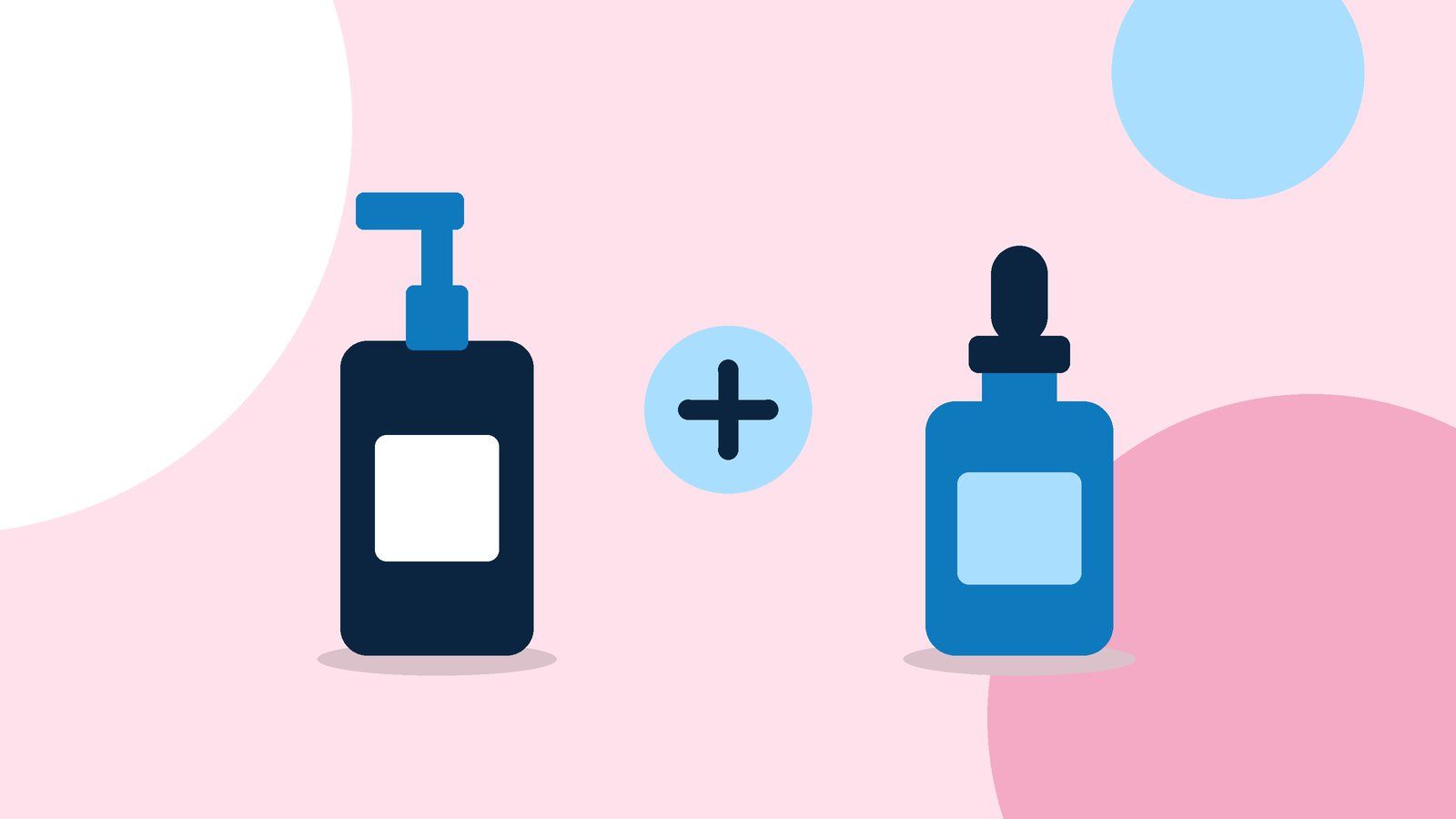
Yes. Hyaluronic acid and vitamin C can be used together, and they make a sensible morning pair: vitamin C for antioxidant protection and brightness, hyaluronic acid for hydration. Apply vitamin C first, then hyaluronic acid, then moisturiser and sunscreen.
Why vitamin C goes first
Pure vitamin C (L-ascorbic acid) is fussy about how it gets into the skin. Absorption studies found it needs a formula with a pH below 3.5, and that skin levels peaked with a 20% concentration. Applying it directly to clean skin gives it the best chance.
Hyaluronic acid isn't fussy. It sits in the outer layer and holds water there, and it works just as well applied over another serum.
There's a comfort reason too. Acidic vitamin C serums can leave skin feeling tight or slightly stingy. A hydrating layer straight afterwards takes the edge off.
The morning routine
- Cleanse, or rinse with water. Pat dry.
- Vitamin C serum on dry skin. Give it a minute.
- Hyaluronic acid serum. Dampen your skin slightly first if your serum works better that way.
- Moisturiser.
- SPF 30 or higher.
Vitamin C doesn't replace sunscreen. It works with it: sunscreen filters UV, and vitamin C helps neutralise some of the reactive molecules that get generated anyway.
Free toolSkincare expiry calculatorCheck whether the products on your shelf have expired.Open the expiry calculator →The damp-skin conflict
Hyaluronic acid is usually recommended on damp skin. L-ascorbic acid serums are best on dry skin. To do both:
- Vitamin C on dry skin first.
- Wait a minute.
- Then mist or lightly dampen your face, and apply hyaluronic acid.
Or skip the dampening. Hyaluronic acid applied over a just-absorbed water-based serum, and followed by moisturiser, does its job.
When the order changes
| Your vitamin C product | Order |
|---|---|
| Water-based L-ascorbic acid serum | Vitamin C, then hyaluronic acid |
| Gentle derivative serum (ascorbyl glucoside, sodium ascorbyl phosphate) | Either order; thinner first |
| Oil-based or silicone-based vitamin C (e.g. tetrahexyldecyl ascorbate in oil, or a powder suspension) | Hyaluronic acid first, then vitamin C |
| Vitamin C moisturiser | Hyaluronic acid first |
The general rule holds: water-based before oil-based, thin before thick.
Related guideCan You Use Hyaluronic Acid With Retinol? Yes, and Here's the Best OrderHyaluronic acid is one of the best things to pair with retinol: it offsets the dryness without weakening the result.Read the guide →Products that contain both
Many vitamin C serums already include hyaluronic acid, sometimes listed as sodium hyaluronate. If yours does, you may not need a separate hyaluronic acid serum. Check the ingredients list before buying two products to do the job of one.
If they pill
Pilling, where products roll into small balls, is the commonest complaint with this pair.
- Use less of each. Two or three drops is enough.
- Let each layer dry before the next.
- Pat, don't rub.
- Check your sunscreen. Silicone-heavy sunscreens over several water-based serums pill easily.
- If it continues, move hyaluronic acid to the evening.
Can you use them at night?
Yes. Vitamin C is usually placed in the morning for its antioxidant role, but it works at night too. If you use retinol at night, keep vitamin C in the morning. See retinol and vitamin C.
Who the pair suits
- Dull or uneven skin tone: vitamin C is the active part.
- Dehydrated skin that finds vitamin C drying.
- Sensitive skin: choose a vitamin C derivative, which is gentler than L-ascorbic acid, and keep hyaluronic acid.
- Oily skin: both are light and won't add grease.
What else works with them
- Niacinamide: fine alongside both. See niacinamide vs vitamin C.
- Vitamin E and ferulic acid: often formulated with vitamin C to stabilise it.
- Retinol and exfoliating acids: at night, not layered with vitamin C.
- Benzoyl peroxide: keep away from vitamin C, which it oxidises.
Check combinations in the ingredient checker.
Storing vitamin C
L-ascorbic acid oxidises with air, light and heat. A serum that has turned dark orange or brown has lost much of its activity. Keep it closed, cool and out of the light, and use it within a few months of opening. Hyaluronic acid is stable and needs no special care.
More on each: vitamin C and hyaluronic acid.
References
Pinnell SR, Yang H, Omar M, et al. Topical L-ascorbic acid: percutaneous absorption studies. Dermatol Surg. 2001;27(2):137-142. (https://pubmed.ncbi.nlm.nih.gov/11207686/)
Papakonstantinou E, Roth M, Karakiulakis G. Hyaluronic acid: a key molecule in skin aging. Dermatoendocrinol. 2012;4(3):253-258. (https://pubmed.ncbi.nlm.nih.gov/23467280/)
FAQs
Can I use hyaluronic acid and vitamin C together?
Yes. They're compatible and work well in a morning routine.
Which goes first, vitamin C or hyaluronic acid?
Vitamin C first, in most cases. If your vitamin C is oil-based or a cream, hyaluronic acid goes first.
Can I mix them together in my hand?
It's better to layer them, so the vitamin C touches the skin undiluted.
Can I use them every day?
Yes. Both suit daily use.
Do I still need moisturiser?
Yes. Hyaluronic acid needs a moisturiser over it to hold water in.