
Stearic acid pops up everywhere in skincare. Check the ingredient list on your cleanser, moisturiser or bar of soap and there's a good chance you'll find it sitting somewhere in the middle. Despite the slightly intimidating "acid" in the name, it has nothing in common with exfoliating acids like glycolic or salicylic. It's a fatty acid, and it's one of the gentlest, most useful workhorses in cosmetic formulation.
What is stearic acid?
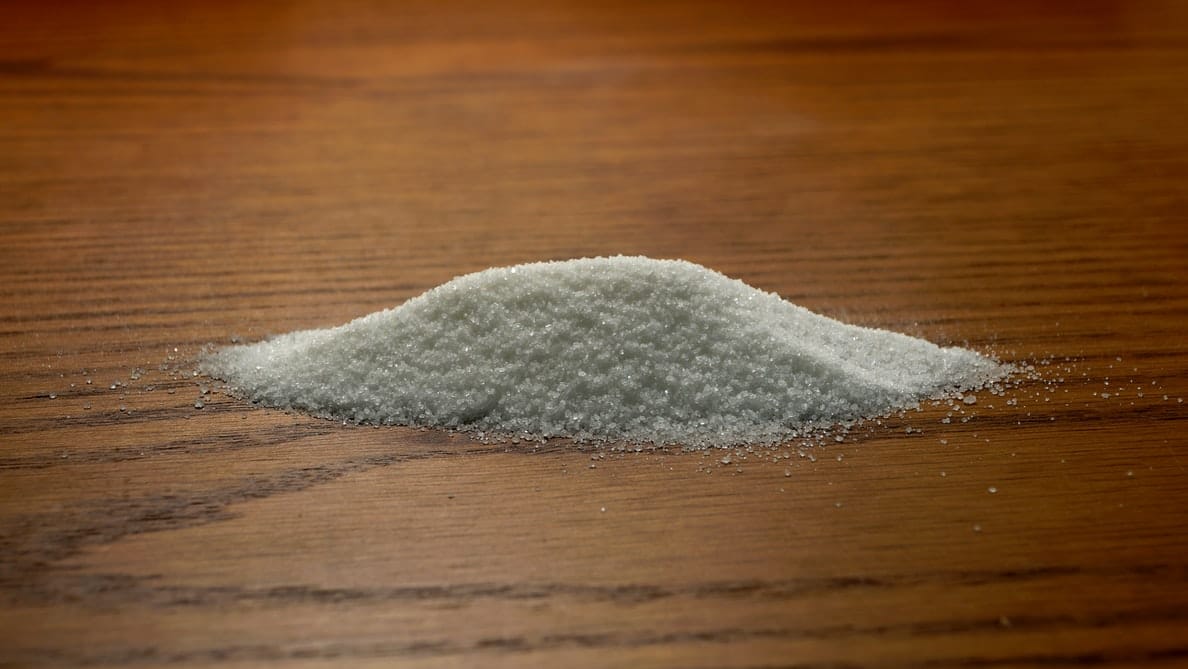
Stearic acid is a long-chain saturated fatty acid found naturally in both animal and plant fats. Shea butter and cocoa butter are particularly rich sources, and it's also present in your own skin as part of the lipid barrier[1]. When isolated, it's a waxy white solid with a mild odour.
In skincare products it's most commonly derived from plant oils, so if you use vegan products, don't panic. Most reputable brands source it from coconut, palm or shea rather than animal fat, though the ingredient list won't always specify. If that matters to you, look for brands with vegan certification.
What does stearic acid do for your skin?
Stearic acid earns its place in formulations for a few reasons:
- It's an emollient. It softens and smooths the skin surface by filling in the tiny gaps between skin cells, which is why creams containing it feel rich and cushiony.
- It supports the skin barrier. As a fatty acid your skin already produces, topical stearic acid helps reduce trans-epidermal water loss. That means less moisture escaping through the skin, which is especially helpful if your skin is dry or compromised. If your barrier needs more serious help, our skin barrier repair guide covers the full routine.
- It's an emulsifier and thickener. It binds the water and oil phases of a product together and gives creams and cleansers their texture. Without ingredients like stearic acid, your moisturiser would separate in the jar like a bad salad dressing.
- It's a surfactant in cleansers. In soaps and face washes, stearic acid helps lift dirt, excess oil and pollutants off the skin so they rinse away.
Is stearic acid safe? Does it clog pores?
Stearic acid is considered safe and well tolerated at the concentrations used in cosmetics, and allergic reactions are rare. It's suitable for sensitive skin and is even found in many baby products.
The comedogenicity question is more nuanced. On paper, stearic acid scores low to moderate on comedogenic rating scales, but those ratings were derived from testing pure ingredients on rabbit ears decades ago and don't reflect how a finished formula behaves. In practice, the amount used in a typical moisturiser or cleanser is very unlikely to cause breakouts for most people. If your skin is very oily or acne-prone and you notice congestion from rich creams, choose lighter gel or lotion textures, which contain less of it, and patch test new products before committing.
Who benefits most from stearic acid?
Dry and mature skin types get the most out of it. The emollient, barrier-supporting properties make stearic acid-rich creams and butters ideal for rough patches, tight post-cleanse skin and winter dryness. If you love the feel of shea butter, you're already a stearic acid fan.
Oily skin types don't need to avoid it, but they'll usually prefer products where it appears lower down the ingredient list.
To sum it up
Stearic acid is a plant-derived fatty acid that softens skin, supports the moisture barrier and holds your favourite creams together. It's safe, gentle and appropriate for virtually every skin type. It's not an active ingredient that will transform your skin, but it's a big part of why good moisturisers feel and work the way they do.