Obviously Skincare
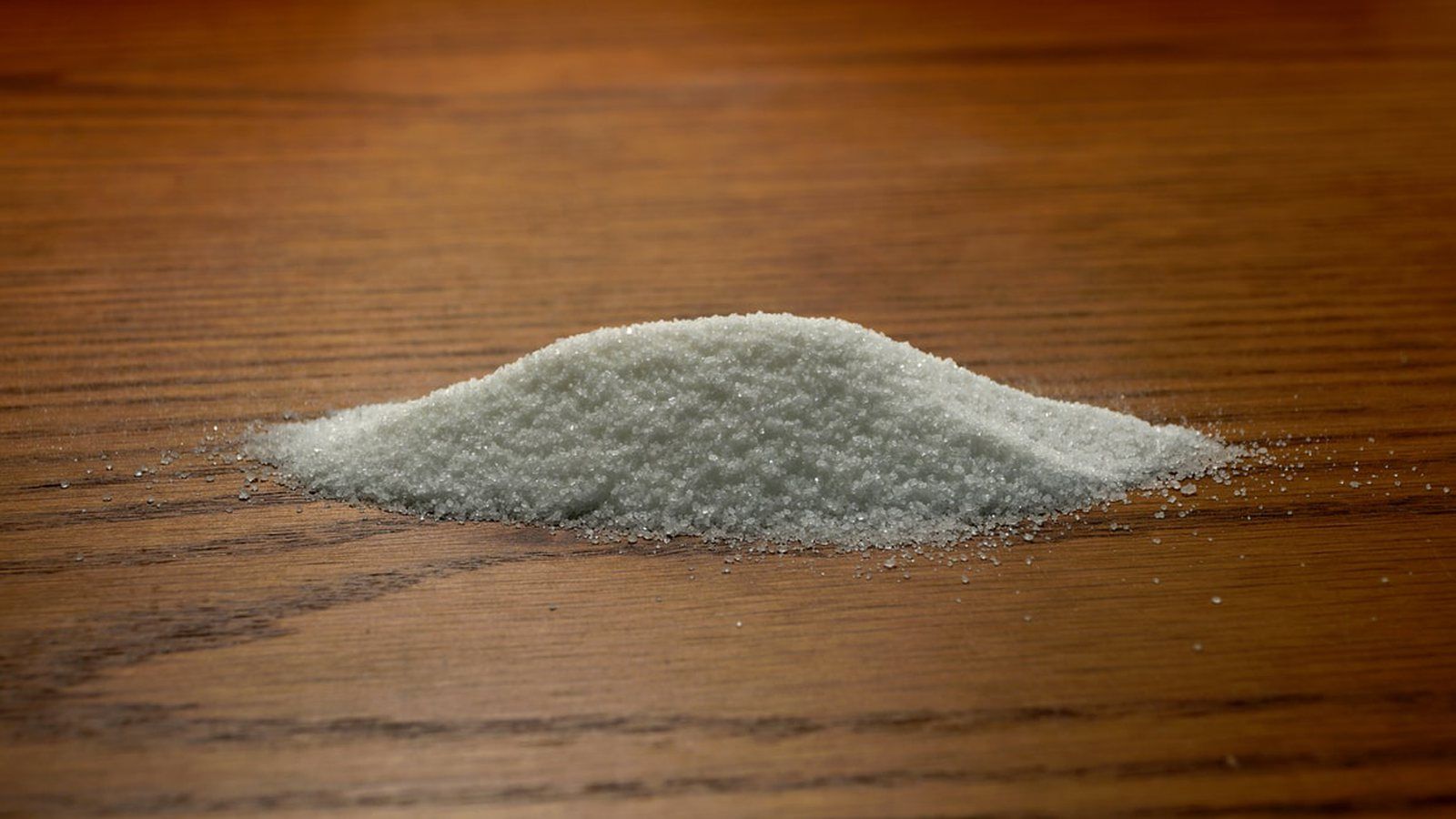
Zinc oxide and titanium dioxide are the two mineral (inorganic) UV filters. If a sunscreen says "mineral", it contains one or both. They aren't interchangeable: zinc oxide protects across more of the UVA range, and titanium dioxide is more efficient against UVB. Zinc oxide is the better all-round filter, and the best mineral sunscreens often combine the two.
At a glance
| Zinc oxide | Titanium dioxide | |
|---|---|---|
| UVB (burning rays) | Good | Very good |
| Short UVA (UVA2) | Good | Good |
| Long UVA (UVA1) | Good | Weak |
| Broad spectrum alone | Yes | Not fully |
| White cast | Noticeable; less with small particles | Often whiter and chalkier |
| Texture | Can feel thick or drying | Lighter, smoother |
| Sensitive skin | Very well tolerated; mildly soothing | Very well tolerated |
| Acne-prone skin | Usually fine | Usually fine |
| Also used as | Nappy rash and barrier creams | White pigment in makeup |
How they protect
The old explanation was that mineral filters sit on the skin and reflect UV like tiny mirrors. Measurements show otherwise: zinc oxide and titanium dioxide protect mainly by absorbing UV, like chemical filters do, and reflect or scatter only a small fraction. What they do reflect is visible light, which is the white cast you see.
Free toolSunscreen amount calculatorFind out how much sunscreen you should really be using.Open the sunscreen calculator →Protection: where they differ
UV reaching your skin comes in three useful bands:
- UVB causes sunburn and is what the SPF number measures.
- UVA2 (shorter UVA) also contributes to burning.
- UVA1 (longer UVA) penetrates deepest and drives pigmentation and photoageing.
Titanium dioxide is strongest in UVB and UVA2, and falls away in UVA1. Zinc oxide absorbs more evenly across UVB and the whole UVA range. A sunscreen with only titanium dioxide can reach a high SPF yet give thin UVA1 cover.
That's why formulators combine them: titanium dioxide lifts the SPF, zinc oxide broadens the UVA cover.
How to check on the bottle: in the UK, look for the letters UVA inside a circle, which means UVA protection is at least a third of the SPF, and for a high UVA star rating where shown.
White cast
Both are white powders. Titanium dioxide has a higher refractive index, so at larger particle sizes it looks whiter. Making the particles smaller (micronised or nano-sized) makes both far more transparent, though it also shifts their protection slightly towards UVB.
On brown and black skin, either can leave a grey or purple tint. Options:
- Tinted mineral sunscreens, which use iron oxides to match skin tone. Iron oxides also give some protection against visible light, which matters for pigmentation.
- Formulas using nano zinc oxide, which tend to be the most transparent.
- A chemical or hybrid sunscreen if nothing mineral works. See mineral vs chemical sunscreen.
Sensitive skin, rosacea and children
Both filters are among the least likely sunscreen ingredients to cause irritation or allergy, and neither stings the eyes as some chemical filters do. Zinc oxide has a long history in barrier creams for irritated skin. For reactive skin, rosacea, eczema and young children, a zinc oxide-based sunscreen is the usual first choice.
Where people react to mineral sunscreens, the cause is usually something else in the formula: fragrance, preservatives, or a drying base.
Safety
- Skin absorption. Reviews of the evidence conclude that zinc oxide and titanium dioxide, including nanoparticles, stay in the outermost dead layer of intact skin and don't reach living cells in meaningful amounts.
- Regulators. Both are approved UV filters in the UK and EU, and they're the two filters the US FDA has proposed classifying as generally recognised as safe and effective.
- Inhalation. The concern with titanium dioxide relates to breathing in fine powder. Avoid inhaling spray or loose powder sunscreens, and don't spray them directly at the face.
- The environment. "Reef-safe" isn't a regulated term. Evidence on the effects of any sunscreen filter on reefs in real conditions is still limited.
Which should you pick?
- Daily facial sunscreen, any skin type: zinc oxide, or zinc with titanium dioxide.
- Sensitive, rosacea-prone or eczema-prone skin: zinc oxide.
- Hyperpigmentation or melasma: zinc oxide for UVA1 cover, ideally tinted.
- Lightest texture: formulas led by titanium dioxide are often more elegant; check the UVA rating.
- Babies and children: mineral filters, either or both.
The percentage matters as well as the filter. Higher zinc oxide content generally means more protection and more cast. In practice, judge by the SPF, the UVA rating, and whether you'll wear enough of it.
That last point decides more than the filter does. Most people apply about half the amount needed. Work out the right amount with the sunscreen calculator, and reapply every two hours outdoors.
For more, see why SPF matters.
References
Schneider SL, Lim HW. A review of inorganic UV filters zinc oxide and titanium dioxide. Photodermatol Photoimmunol Photomed. 2019;35(6):442-446. (https://pubmed.ncbi.nlm.nih.gov/30444533/)
Cole C, Shyr T, Ou-Yang H. Metal oxide sunscreens protect skin by absorption, not by reflection or scattering. Photodermatol Photoimmunol Photomed. 2016;32(1):5-10. (https://pubmed.ncbi.nlm.nih.gov/26431814/)
FAQs
Is zinc oxide better than titanium dioxide?
For broad protection, yes: zinc oxide covers long UVA rays that titanium dioxide largely misses. Titanium dioxide is stronger against UVB.
Why do sunscreens use both?
Titanium dioxide raises the SPF and zinc oxide widens the UVA cover.
Which leaves less white cast?
It depends on particle size. Fine zinc oxide is usually the more transparent; tinted formulas avoid the problem.
Is titanium dioxide safe in sunscreen?
Yes, applied to the skin. Avoid breathing in sprays and loose powders.
Which is better for sensitive skin?
Both are well tolerated. Zinc oxide is the usual first choice.