Obviously Skincare

Centella asiatica is a herb used in traditional medicine across Asia for wound healing, and now a staple of soothing skincare. You'll see it called cica, gotu kola or tiger grass. In skincare its job is to calm: it's used for redness, irritation, and skin recovering from over-exfoliation, retinoids or procedures. Its evidence is best for wound healing, with less direct proof for everyday cosmetic use.
What's in it
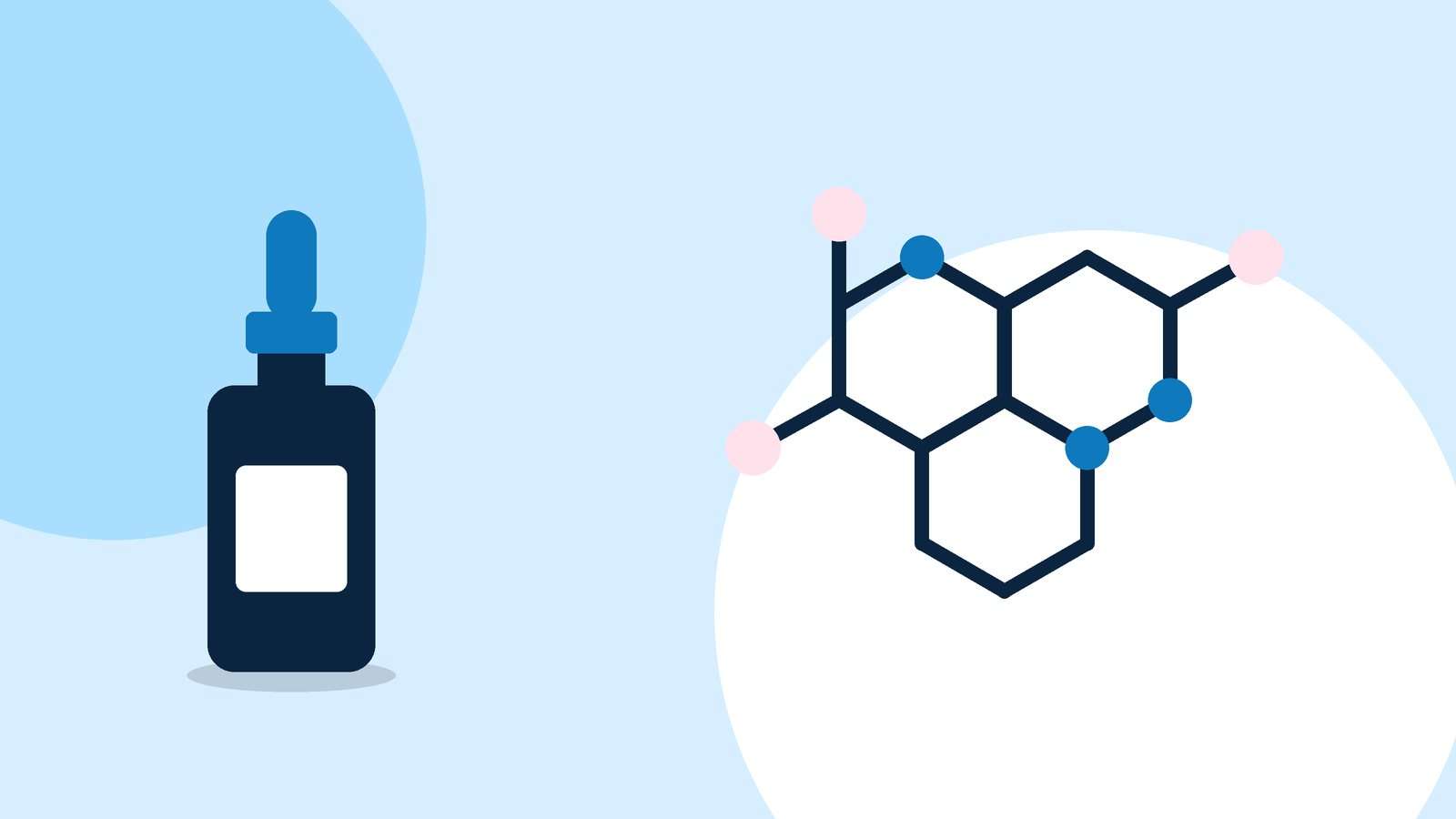
The plant's activity comes from four related compounds, which often appear on ingredient lists by name:
- Asiaticoside
- Madecassoside
- Asiatic acid
- Madecassic acid
A product may list "Centella asiatica extract" (the whole extract), one of these individually, or a blend sometimes called TECA. Madecassoside is the one most used in creams for irritated skin.
What it does
A review of centella in cosmetology describes how it works: it promotes the activity of fibroblasts, the cells that build connective tissue; increases the production of collagen; improves the strength of newly formed skin; and reduces the inflammatory phase of scar formation. The review notes its use in treating small wounds, burns and raised scars, and potential uses in sun-damaged skin and stretch marks.
In practical skincare terms:
| Use | How well supported |
|---|---|
| Wound and minor burn healing | Best supported |
| Calming irritation and redness | Plausible; widely reported |
| Supporting a damaged skin barrier | Plausible |
| Reducing raised scarring | Some evidence, mostly in medical preparations |
| Anti-ageing (collagen support) | Early evidence |
| Treating acne | Indirect: calms inflammation, doesn't clear pores |
| Stretch marks | Limited evidence |
Much of the research used medical-grade preparations at known concentrations. A cosmetic cream usually doesn't state how much it contains, so results will vary.
Free toolSkincare routine builderNot sure what order to use your products in?Open the routine builder →Who it suits
- Sensitive, reactive or redness-prone skin
- Skin that's been over-exfoliated or has a damaged barrier
- People starting retinoids or acids, as a buffer
- After procedures such as peels or microneedling, if your practitioner agrees
- Acne-prone skin that's sore and inflamed
- Anyone wanting a soothing step that doesn't add another strong active
It's suitable for all skin types and has no conflicts with other ingredients.
How to use it
Centella comes in every format: toners, essences, serums, ampoules, creams, balms and sheet masks.
- Daily soothing: a centella toner, essence or serum after cleansing, morning and night.
- With actives: a centella serum or cream on the same night as retinol, after it, or on recovery nights.
- For irritated patches: a thick cica balm on the affected area, a few times a day.
- Overnight: a cica cream as the last step.
It can be used twice a day, long term.
Related guideFragrance in Skincare: Is It Bad for Your Skin?Fragrance is the most common cause of cosmetic allergy, but most people tolerate it. Who should avoid it, how to read labels, and what 'unscented' means.Read the guide →With other ingredients
Centella pairs with everything, and is often formulated with other soothing or repairing ingredients:
- Panthenol (vitamin B5): a classic combination in "cica" balms. See panthenol.
- Ceramides and niacinamide: barrier support.
- Hyaluronic acid: hydration.
- Retinoids, AHAs, BHAs, vitamin C: centella helps skin tolerate them.
- Zinc and copper compounds in some repair balms.
Choosing a product
- Check where it sits on the ingredients list. Near the top means more of it. "Centella" in the product name with the extract near the bottom of the list is mostly marketing.
- Look for named actives (madecassoside, asiaticoside), which suggest a standardised extract.
- Avoid fragrance and essential oils in a product meant to soothe.
- Pick the texture for the job: watery for oily skin and layering; balm for dry, sore patches.
Cica balms from French pharmacy brands and centella-based lines from Korean brands are the most established options in the UK. See French pharmacy skincare and the best Korean skincare to buy in the UK.
Side effects
Rare. Allergic contact dermatitis to centella has been reported, as with any plant extract. If a "calming" product makes your skin itchy or red, stop using it. Patch test first if you have plant allergies or very reactive skin.
Pregnancy: topical centella in cosmetics is generally regarded as low risk; check with your midwife if unsure.
What it won't do
- It isn't an exfoliant or a retinoid, and won't resurface skin.
- It won't clear acne alone.
- It won't erase established scars or stretch marks.
- It doesn't replace medical treatment for eczema, rosacea or infected wounds.
Think of it as support: it helps skin stay calm and recover, so that the rest of your routine works.
For a broader approach to irritated skin, see barrier repair and what causes irritated skin.
References
Bylka W, Znajdek-Awiżeń P, Studzińska-Sroka E, Brzezińska M. Centella asiatica in cosmetology. Postepy Dermatol Alergol. 2013;30(1):46-49. (https://pubmed.ncbi.nlm.nih.gov/24278045/)
FAQs
What does centella asiatica do for skin?
Is cica good for acne?
It helps calm inflamed, sore skin. It doesn't unclog pores, so use it alongside acne treatment.
Can I use centella with retinol?
Yes. It can make retinol easier to tolerate.
Can I use cica every day?
Yes, twice a day.
Is centella good for sensitive skin?
Yes, in a fragrance-free formula.
What is the difference between cica and centella?
None. Cica is short for Centella asiatica.