Obviously Skincare
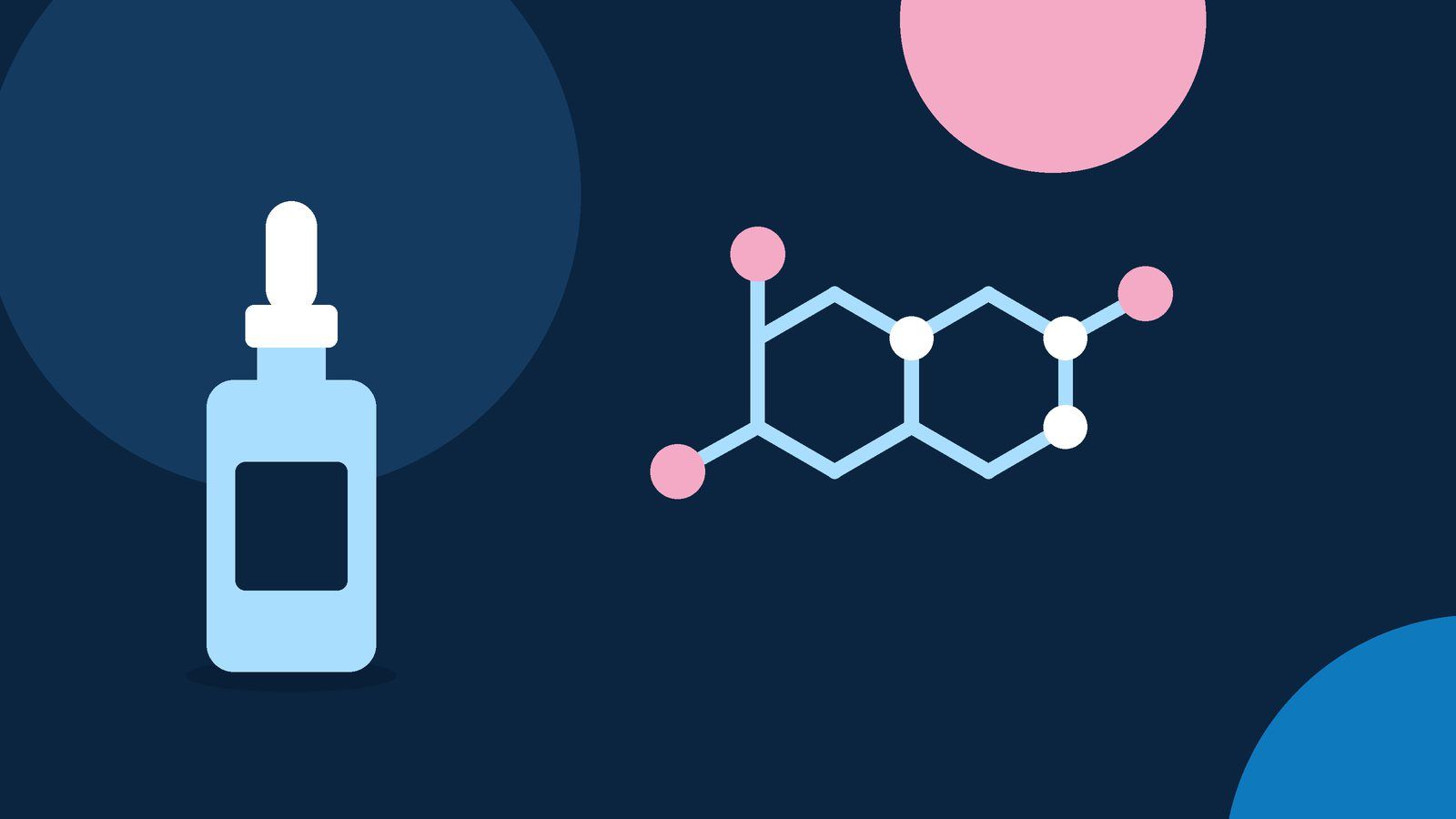
Panthenol is a form of vitamin B5 that hydrates the skin, reduces water loss, calms irritation and supports healing. It isn't a headline active. It's one of the most dependable supporting ingredients in skincare, which is why it appears in everything from nappy creams to "B5" serums. If your skin is dry, sore or recovering from something, panthenol is one of the ingredients worth looking for.
What it is
Panthenol, also labelled dexpanthenol, D-panthenol or provitamin B5, is the alcohol form of pantothenic acid (vitamin B5). It penetrates the skin well and is converted there into pantothenic acid, which cells need for normal function and repair.
What it does
A review of dexpanthenol in skin disorders describes these effects:
- Moisturises. It improves hydration of the outer layer, reduces water loss through the skin, and keeps skin soft and elastic.
- Supports healing. In controlled trials on superficial wounds, dexpanthenol sped up recovery of the skin barrier compared with the same cream without it, with less redness.
- Protects against irritation. In an irritation model, skin pre-treated with dexpanthenol cream suffered significantly less barrier damage than untreated skin.
- Calms. It reduced UV-induced redness in experiments, and in irritated skin it improved dryness, roughness, scaling, itching and redness over three to four weeks.
Put simply: it helps skin hold water, and helps a damaged barrier recover faster.
Free toolSkincare routine builderNot sure what order to use your products in?Open the routine builder →When it's useful
| Situation | How panthenol helps |
|---|---|
| Dry, tight skin | Humectant; reduces water loss |
| Irritation from retinoids or acids | Soothes and speeds barrier recovery |
| Over-exfoliated or sensitised skin | Barrier repair |
| After shaving | Calms redness |
| Chapped lips and hands | Hydration and repair |
| After peels, laser or microneedling | Commonly used in aftercare, on your practitioner's advice |
| Tattoo aftercare | Widely used |
| Mild sunburn | Soothing, alongside cooling and moisturising |
| Eczema-prone dryness | As part of an emollient |
How to use it
Panthenol is in so many products that you may already be using it. Check your ingredients lists. To use it deliberately:
- Serums with panthenol, often paired with hyaluronic acid ("HA + B5"): after cleansing, before moisturiser, morning and night.
- Moisturisers with panthenol: as usual.
- Balms and ointments with 5% dexpanthenol: on sore, cracked or irritated patches, as needed.
Concentration: cosmetics typically contain 1% to 5%. Repair balms use 5%.
It can be used twice a day, indefinitely, by all skin types.
Related guidePolyglutamic Acid: Is It Better Than Hyaluronic Acid?Polyglutamic acid is a film-forming humectant made by fermentation. What it does, how thin the evidence is, and how to use it with hyaluronic acid.Read the guide →With retinoids
This is where panthenol earns its place in a modern routine. Retinoids commonly cause dryness and irritation in the first weeks. A moisturiser or balm with panthenol, applied after the retinoid (or before and after), addresses exactly those symptoms. See retinol burn and the retinol sandwich method.
What it pairs with
Panthenol has no conflicts. It's stable and compatible with:
- Hyaluronic acid and glycerin: more hydration
- Ceramides and niacinamide: barrier support
- Centella asiatica: the classic "cica" soothing pairing. See centella asiatica
- Retinoids, acids, vitamin C, benzoyl peroxide: it helps offset their irritation
Panthenol compared with other hydrators
| Panthenol | Hyaluronic acid | Glycerin | |
|---|---|---|---|
| Hydrates | Yes | Yes | Yes |
| Penetrates the skin | Yes | Mostly stays on the surface | Yes |
| Soothes irritation | Yes | No | Slightly |
| Supports healing | Yes | Limited | Supports barrier |
| Feel | Light, non-sticky | Light, can be tacky | Sticky at high levels |
Its soothing and repairing effect is what distinguishes it. See hyaluronic acid vs glycerin.
For acne-prone skin
Panthenol is light and non-comedogenic. It suits acne-prone skin, particularly skin dried out by benzoyl peroxide, retinoids or salicylic acid. Heavier repair balms containing it may be too rich for oily skin across the whole face; use those on dry patches only.
Side effects
Very uncommon. Allergic contact dermatitis to panthenol is rare but documented. If a soothing product causes itching or a rash, stop it.
It's considered safe in pregnancy and for children, and is a standard ingredient in baby products.
Where to find it
- Pharmacy repair balms with 5% panthenol, such as La Roche-Posay Cicaplast Baume B5+ and Bepanthen
- "B5" hydrating serums, such as The Ordinary Hyaluronic Acid 2% + B5 (see the guide)
- Most barrier-repair moisturisers
- Hair products, where it coats and conditions the hair shaft
For a full approach to damaged skin, see barrier repair.
References
Ebner F, Heller A, Rippke F, Tausch I. Topical use of dexpanthenol in skin disorders. Am J Clin Dermatol. 2002;3(6):427-433. (https://pubmed.ncbi.nlm.nih.gov/12113650/)
FAQs
What does panthenol do for skin?
It hydrates, reduces water loss, soothes irritation and helps the skin barrier recover.
Is panthenol good for acne-prone skin?
Yes. It's non-comedogenic and helps with dryness from acne treatments.
Can I use panthenol with retinol?
Yes. It helps reduce retinol's dryness and irritation.
Can I use panthenol every day?
Yes, twice a day.
Is panthenol safe during pregnancy?
Yes, it's considered safe.