Obviously Skincare
Cystic acne is the most severe form of acne: large, deep, painful lumps under the skin that last for weeks and often leave scars. It isn't caused by dirt, diet or the wrong cleanser, and it can't be treated with skincare alone. If this describes your skin, the most useful thing this article can tell you is to see a GP soon. Effective treatment exists, and starting it early is what prevents permanent scarring.
What it is
Doctors usually call it nodular or nodulocystic acne.
- Nodules are hard, painful lumps deep in the skin, larger than ordinary spots.
- Cysts are large, soft, pus-filled lumps that look similar to boils.
Both come from intense inflammation deep around a blocked follicle. When the follicle wall ruptures, the inflammation spreads into the surrounding skin and destroys tissue as it heals, which is why scarring is so common.
It appears on the face, especially the jawline, chin and cheeks, and on the chest, back and shoulders.
How to recognise it
- Lumps you can feel deep under the skin before you see them
- Pain, even when you're not touching them
- Lumps lasting weeks or months
- Several at once, recurring in the same areas
- Scars or dark marks afterwards
- Little or no response to over-the-counter products
An occasional single deep spot is a different thing. See blind pimple.
Free toolSkincare routine builderNot sure what order to use your products in?Open the routine builder →Why it happens
- Hormones. Androgens increase oil production. This is why it peaks in the teens and early twenties, and why women often flare before periods or with conditions such as polycystic ovary syndrome.
- Genetics. Severe acne runs in families.
- Bacteria and inflammation. Some people's skin mounts a much stronger inflammatory response to the bacteria in blocked follicles.
- Some medicines, including anabolic steroids and certain other drugs.
It isn't your fault, and it isn't a hygiene problem.
Why you need a GP
NICE guidance says people with nodulocystic acne should be referred to a dermatology team. The reasons:
- It scars. The longer severe acne continues, the greater the scarring.
- The treatments that work are prescription-only.
- It affects mental health. Severe acne is linked with anxiety and low mood, and that's a valid reason to ask for help quickly.
Get an urgent appointment if you have severe acne together with fever, joint pain or feeling generally unwell, or if acne is causing serious distress.
Related guideTypes of Acne: How to Identify Your Spots, and What Treats EachBlackheads, whiteheads, papules, pustules, nodules and cysts explained. How to tell which spots you have, how severity is judged, and the right treatment.Read the guide →What treatment involves
From a GP
- Topical combination treatment: a retinoid with benzoyl peroxide, or similar. Rarely enough alone for cystic acne, but used alongside other treatment.
- Oral antibiotics, such as lymecycline or doxycycline, combined with a topical treatment and reviewed at 12 weeks. Courses are kept limited to reduce antibiotic resistance.
- Hormonal treatment for women: the combined contraceptive pill can help. Other hormonal options are sometimes prescribed by specialists.
- Referral to dermatology.
From a dermatologist: isotretinoin
Isotretinoin (brand name Roaccutane) is the most effective treatment for severe acne. It's a capsule, taken as a course lasting several months, that shrinks the oil glands and reduces oil production. Most people have a large, lasting improvement, and many remain clear after one course.
In the UK it can only be started by a specialist, with safeguards:
- It causes serious birth defects. Anyone who could become pregnant must follow a pregnancy prevention programme, with reliable contraception and regular pregnancy tests.
- Mental health and sexual function are discussed and monitored before and during treatment.
- For under-18s, two prescribers must agree that treatment is appropriate.
- Blood tests are done before and during treatment.
- Common side effects: very dry lips and skin, dry eyes, nosebleeds, sensitivity to the sun, muscle aches.
Your dermatologist will go through the benefits and risks with you. For many people with scarring acne, it's life-changing.
For a single large lump
A dermatologist can inject a dilute steroid into a very large, painful nodule to bring it down quickly. This is mainly available privately.
What skincare can do
Skincare won't clear cystic acne. It can make treatment easier to tolerate and avoid making things worse.
Do
- Wash twice a day with a gentle, non-foaming or low-foam cleanser.
- Moisturise with a light, non-comedogenic product. Acne treatments are drying, and isotretinoin especially so.
- Wear SPF 30 or higher every day. Many acne treatments increase sun sensitivity, and sun darkens marks.
- Use lip balm constantly if you're on isotretinoin.
- Keep the routine short.
Don't
- Squeeze, lance or pick. With deep lesions this spreads inflammation and guarantees worse scarring.
- Scrub or use cleansing brushes.
- Add strong acids or peels on top of prescribed treatment.
- Use home remedies: toothpaste, lemon, undiluted essential oils.
- Wax, or have peels or laser, while on isotretinoin and for some months after, unless your dermatologist agrees.
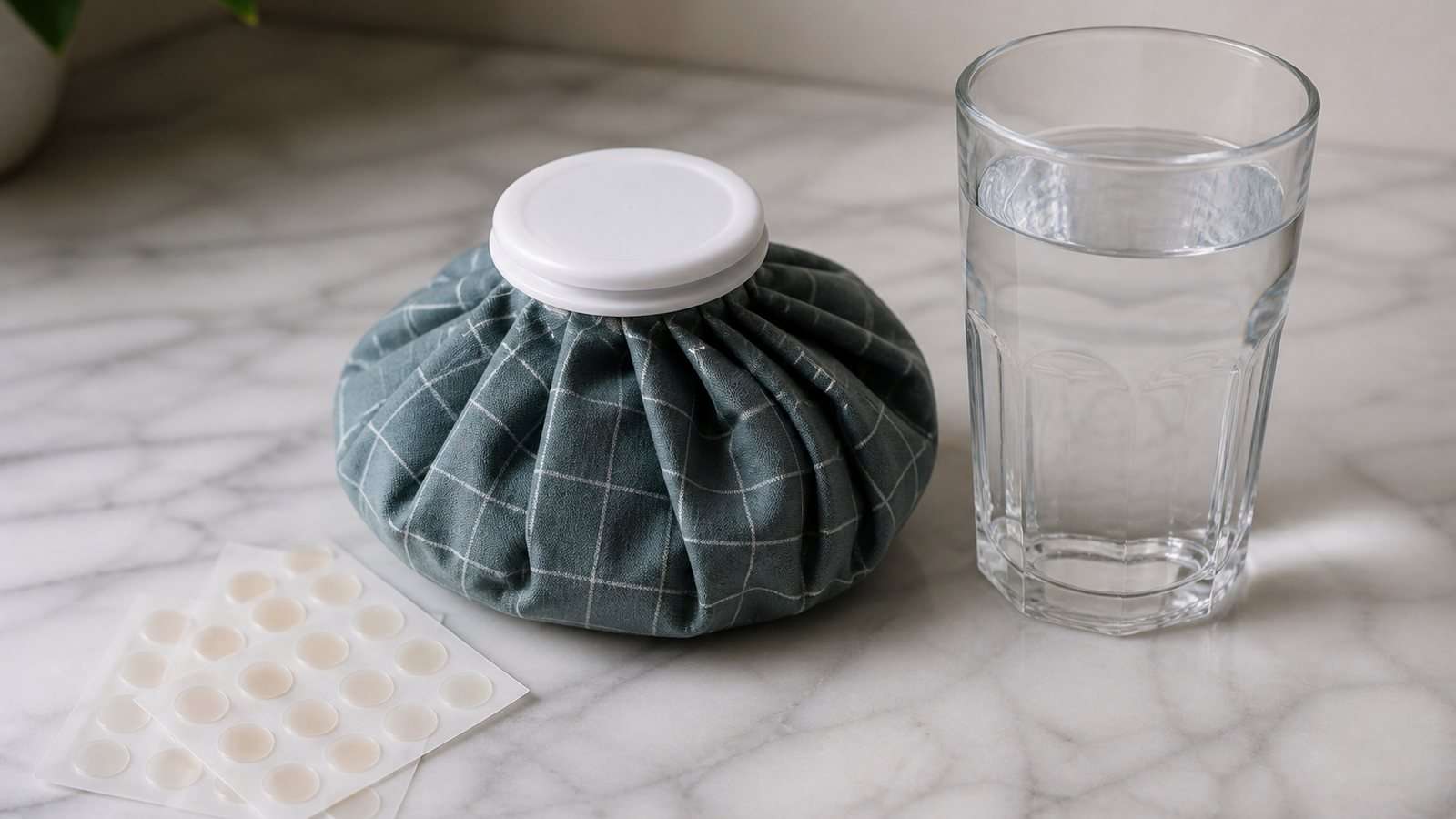
For pain: a warm compress for 10 to 15 minutes, or ice wrapped in a cloth for a few minutes.
See minimal skincare routine for acne.
Does diet matter?
Diet doesn't cause cystic acne. Some studies link high-glycaemic diets and, less consistently, dairy with acne in some people. A balanced diet is sensible, but changing what you eat won't treat severe acne, and shouldn't delay seeing a GP.
Scars
Treat the acne first. Once it's been under control for some months, scar treatments can be considered. See types of acne scars. Flat dark or red marks fade with time and sunscreen; see post-inflammatory hyperpigmentation.
Looking after yourself
Severe acne is hard to live with. If it's affecting your mood, sleep, or willingness to go out, tell your GP. That's part of what determines how urgently you're treated. If you're struggling, you can also contact Samaritans on 116 123 at any time.
References
National Institute for Health and Care Excellence. Acne vulgaris: management. NICE guideline NG198. (https://www.nice.org.uk/guidance/ng198)
Reynolds RV, Yeung H, Cheng CE, et al. Guidelines of care for the management of acne vulgaris. J Am Acad Dermatol. 2024;90(5):1006.e1-1006.e30. (https://pubmed.ncbi.nlm.nih.gov/38300170/)
Fabbrocini G, Annunziata MC, D'Arco V, De Vita V, et al. Acne scars: pathogenesis, classification and treatment. Dermatol Res Pract. 2010;2010:893080. (https://pubmed.ncbi.nlm.nih.gov/20981308/)
FAQs
How do you get rid of cystic acne?
Can cystic acne go away on its own?
What causes cystic acne?
Does skincare help cystic acne?
It supports treatment and prevents irritation. It doesn't clear it.
How long does isotretinoin take to work?
A course lasts several months, and your dermatologist sets the length. Improvement is often visible within the first two months.