Obviously Skincare
Retinol burn isn't a true burn. It's an irritant reaction, sometimes called retinoid dermatitis, that happens when skin gets more retinoid than its barrier can cope with. The skin turns red, tight and sore, stings when you apply anything, and peels. It heals fully, usually within one to two weeks, if you stop the retinoid and keep your routine very plain.
What it looks and feels like
- Redness, or a darker, greyish or purplish tone on brown and black skin
- Tightness and a shiny, stretched look
- Stinging or burning, including with products that never stung before
- Flaking or peeling, often around the nose, mouth and chin
- Rough, sore patches; sometimes small cracks at the corners of the mouth or nose
- Occasionally, small red bumps
Mild dryness and light flaking in the first weeks of retinol are expected. A burn is when it hurts.
What to do right now
Stop
- Stop retinol and any other retinoid.
- Stop all other actives: acids, vitamin C, benzoyl peroxide.
- Stop scrubs, cleansing brushes and face cloths.
Soothe
- Cleanse once a day, in the evening, with a gentle non-foaming cleanser and lukewarm water. In the morning, just rinse.
- Moisturise generously with a plain, fragrance-free cream. Look for ceramides, glycerin, panthenol or colloidal oatmeal.
- Seal very sore or cracked patches with a thin layer of petroleum jelly at night.
- Protect with sunscreen in the day. A mineral sunscreen is less likely to sting. If everything stings, stay out of the sun and wear a hat.
Leave alone
- Don't peel off flakes.
- Don't use hot water, steam or saunas.
- Don't cover it with heavy makeup if you can avoid it.
- Don't try new products. Now is not the time to test a "repair serum".
A cool compress helps with the burning feeling.
Free toolRetinol starter scheduleGet a week-by-week plan for starting retinol.Open the retinol schedule →How long does it take to heal?
| Severity | Signs | Healing time |
|---|---|---|
| Mild | Dryness, slight redness, light flaking | 3 to 7 days |
| Moderate | Stinging, obvious peeling, tight shiny skin | 1 to 2 weeks |
| Severe | Raw, cracked, swollen or weeping skin | 2 to 4 weeks; get advice |
You're healed when moisturiser no longer stings and the tightness has gone. Wait a further week before restarting.
Why it happened
Retinoids speed up cell turnover and thin the outermost protective layer while the skin adjusts. If the dose rises faster than the skin adapts, the barrier fails. The usual causes:
- Starting with nightly use
- Starting at a high strength
- Using more than a pea-sized amount
- Applying to damp skin, which is thought to increase absorption
- Combining with acids or benzoyl peroxide
- Applying close to the eyes, nostrils and mouth, where product collects in the creases
- Cold, dry weather
- Moving from retinol to a stronger retinoid, such as tretinoin, without stepping back the frequency
In a study comparing retinoids under exaggerated conditions, retinoic acid (tretinoin) caused far more irritation than retinol or retinal. Strength matters.
Related guideThe Retinol Sandwich Method: How to Do It, and Whether It Weakens RetinolThe retinol sandwich means moisturiser, retinol, then moisturiser again.Read the guide →Restarting safely
Most people who get retinol burn can use retinol successfully afterwards.
- Wait until your skin has felt normal for a week.
- Lower the strength if you were on a high one.
- Start at once or twice a week.
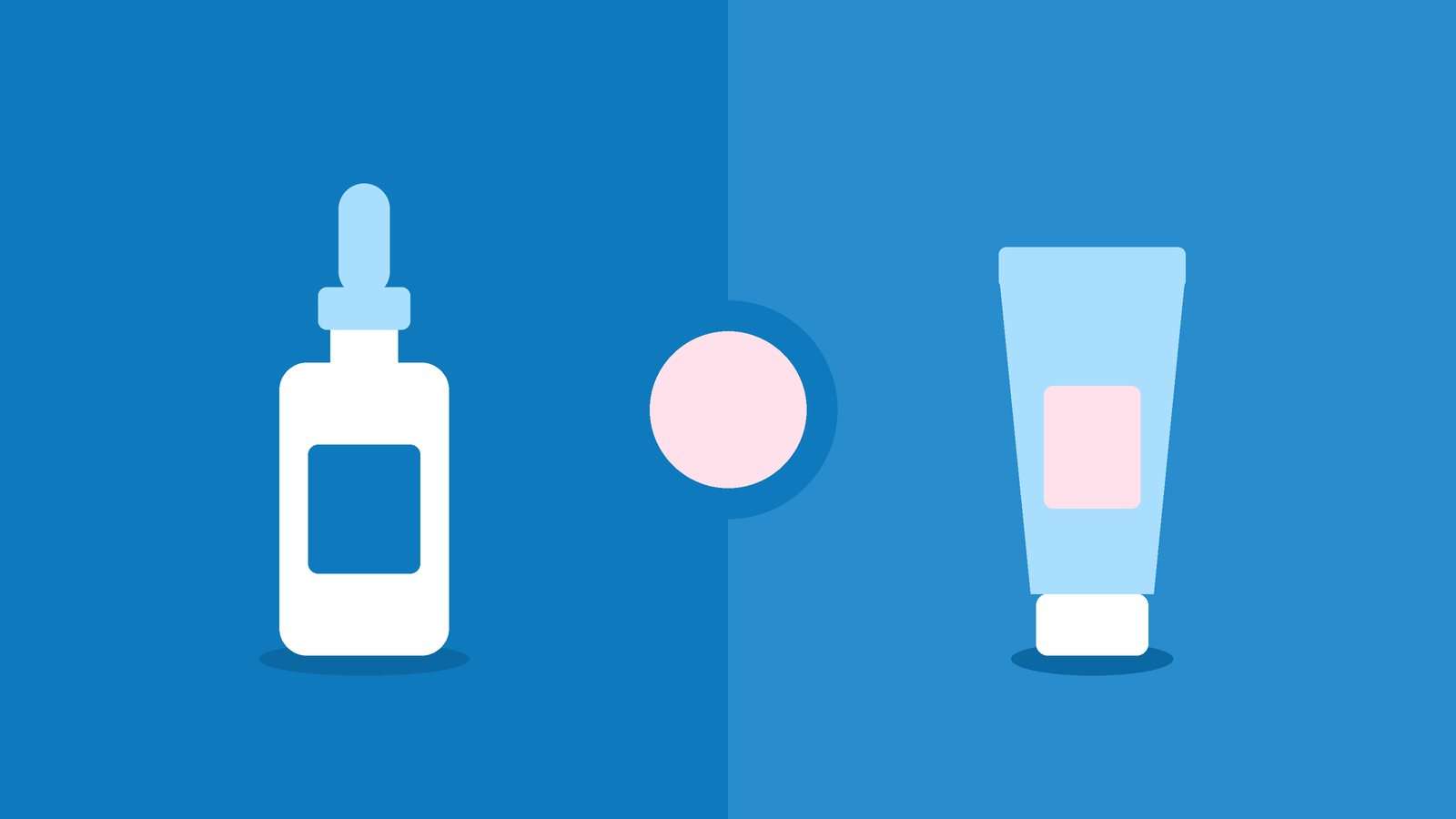
- Sandwich it: moisturiser, retinol, moisturiser. See the retinol sandwich method.
- Protect the creases. Dab petroleum jelly at the corners of the nose and mouth and near the eyes before applying.
- Increase slowly: add one night every two to three weeks, only if comfortable.
- Keep other actives out for the first two months.
The retinol starter schedule lays this out week by week.
Retinol burn, purge or allergy?
- Burn: soreness, stinging and peeling wherever you applied it.
- Purge: spots in your usual breakout areas, without the raw feeling. See tretinoin purge.
- Allergy: uncommon. Itching, swelling, or a rash that spreads beyond where you applied the product. Stop and don't restart without advice.
When to see a GP or pharmacist
- Blistering, weeping, crusting or swelling
- Swelling around the eyes or lips
- Signs of infection: increasing pain, warmth, pus
- No improvement after two weeks without retinoids
- You're using a prescription retinoid. Tell your prescriber.
For more on rebuilding the barrier, see skin barrier repair.
References
Fluhr JW, Vienne MP, Lauze C, Dupuy P, et al. Tolerance profile of retinol, retinaldehyde and retinoic acid under maximized and long-term clinical conditions. Dermatology. 1999;199 Suppl 1:57-60. (https://pubmed.ncbi.nlm.nih.gov/10473963/)
Mukherjee S, Date A, Patravale V, Korting HC, Roeder A, Weindl G. Retinoids in the treatment of skin aging: an overview of clinical efficacy and safety. Clin Interv Aging. 2006;1(4):327-348. (https://www.ncbi.nlm.nih.gov/pmc/articles/PMC2699641/)
FAQs
How do you heal retinol burn fast?
Stop the retinoid and all actives, moisturise generously with a plain cream, and protect your skin from the sun. There's no shortcut beyond that.
How long does retinol burn last?
Mild cases settle in a few days. Moderate ones take one to two weeks.
Should I stop retinol if my face is burning?
Yes. Pause until your skin has fully recovered, then restart at a lower frequency.
Can I put Vaseline on retinol burn?
Yes. A thin layer over moisturiser at night helps sore, cracked areas.
Does retinol burn cause permanent damage?
No. It heals fully, though it can leave temporary dark marks on deeper skin tones.