Obviously Skincare
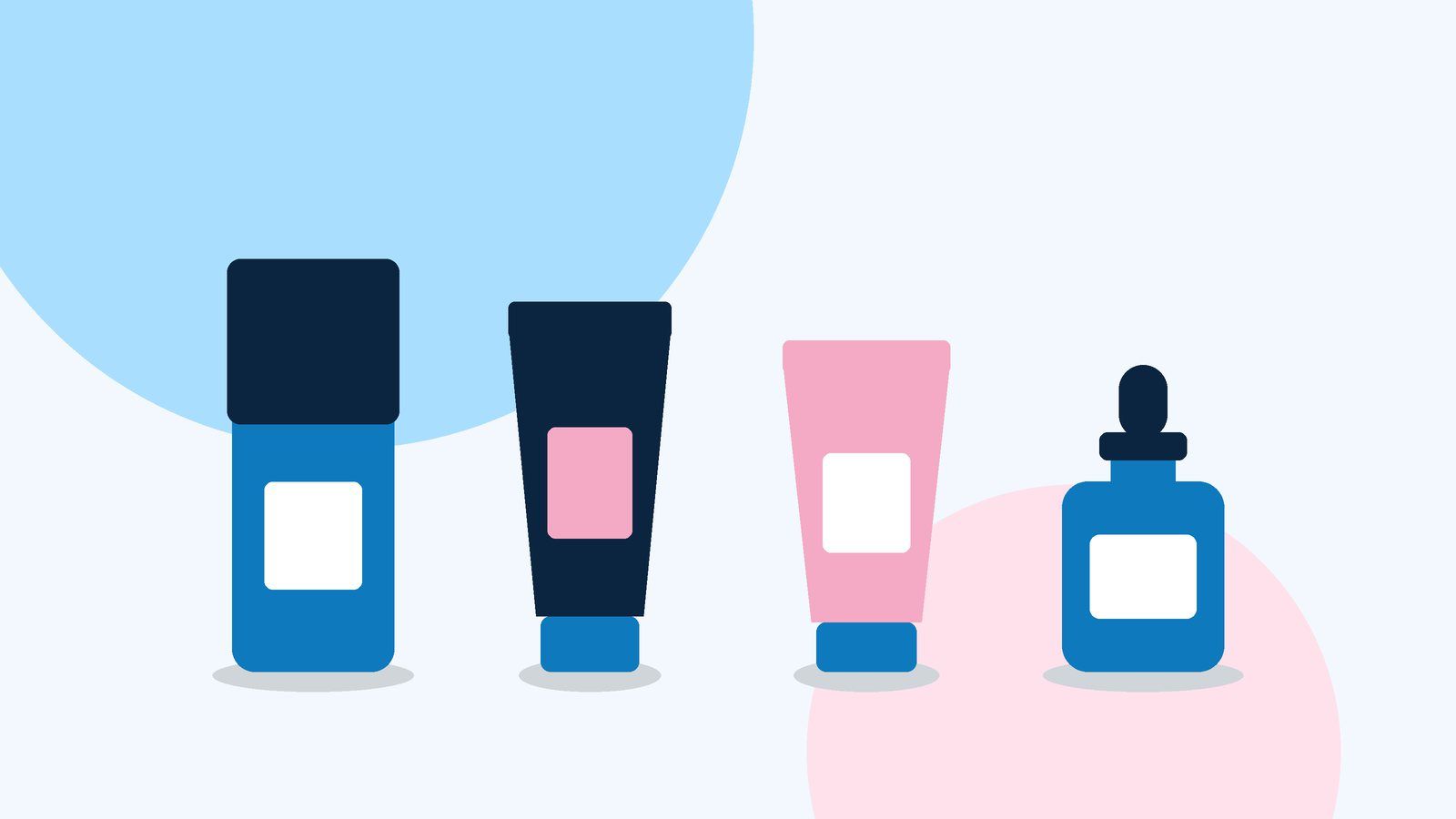
Teenage skin needs very little: a gentle cleanser, a light moisturiser, and sunscreen. If spots are a problem, one treatment product on top of that. The long routines and expensive serums seen on social media are made for adult skin, and several of the popular ones cause irritation in younger skin. This guide is written for teenagers, and for parents trying to work out what's sensible.
The routine
Morning
- Cleanse with a gentle face wash, or just rinse with water if your skin isn't oily.
- Moisturise with a light, fragrance-free lotion or gel.
- Sunscreen, SPF 30 or higher, on days you'll be outside. A moisturiser with SPF 30 covers steps 2 and 3.
Evening
- Cleanse. This one matters: it removes sunscreen, sweat, oil and makeup.
- Spot treatment, if you use one.
- Moisturise.
That takes two minutes. Doing it every day matters more than which brand you buy.
Choosing products
Cleanser
- Look for: "gentle", "for sensitive skin", fragrance-free. A gel or light foam if you're oily; a cream or lotion if you're dry.
- Avoid: bar soap, scrubs with gritty particles, anything that leaves skin tight or squeaky.
Moisturiser
- Look for: "non-comedogenic" (won't block pores), oil-free, fragrance-free.
- Oily skin still needs moisturiser. Skin that's dried out by harsh washing often gets oilier and more irritated.
Sunscreen
- Look for: SPF 30 or higher, the UVA circle symbol, a light fluid or gel that's labelled non-comedogenic.
- It's the one product that makes a difference decades from now.
Pharmacy and supermarket brands are fine. Nothing here needs to cost much.
Free toolSkincare routine builderNot sure what order to use your products in?Open the routine builder →If you get spots
Most teenagers do. It's caused by hormones increasing oil production, not by being dirty, and not by one food.
Mild: a few spots and blackheads
Add one of these:
- Benzoyl peroxide (2.5% or 5%), a thin layer on the areas that break out, once a day. Sold in pharmacies. It can bleach towels and pillowcases.
- Salicylic acid (up to 2%), in a cleanser or a leave-on liquid, for blackheads and oily skin.
Start every other day. Expect dryness at first, and moisturise. Give it 8 to 12 weeks; spots don't clear in days. See benzoyl peroxide vs salicylic acid.
When to see a GP or pharmacist
- Pharmacy treatment hasn't helped after 12 weeks
- Lots of red, sore spots
- Deep, painful lumps
- Spots are leaving scars or dark marks
- Acne on the chest and back as well
- It's making you unhappy, anxious or reluctant to go out
Acne is a medical condition with effective treatments, and NICE guidance takes its effect on mental health seriously. You don't have to wait until it's "bad enough". Early treatment prevents scarring.
Don't
- Squeeze or pick. It causes scars and marks.
- Scrub. It doesn't clean out spots and it makes inflammation worse.
- Use several spot treatments at once.
- Try toothpaste, lemon juice or other home fixes.
Spot patches are a good way to protect a spot and stop yourself touching it. See pimple patches.
What teenagers should skip
These are designed for adult concerns. On young skin they offer no benefit and a real chance of irritation, allergy or a damaged skin barrier.
| Skip | Why |
|---|---|
| Retinol and "anti-ageing" serums | Made to treat sun damage and wrinkles. Irritating. A prescribed retinoid for acne is a different matter |
| Strong exfoliating acids and peels (glycolic acid toners, peeling solutions) | Easily over-used; strip the skin barrier |
| High-strength vitamin C serums | Acidic and often stinging; unnecessary |
| Multi-step routines with several serums | More products means more chance of a reaction |
| Fragranced products | A common cause of irritation and allergy |
| Scrubs, cleansing brushes, pore strips | Rough on skin |
| Expensive eye creams, collagen creams, "firming" products | No use to young skin |
Dermatologists have raised concerns about children and young teenagers using adult anti-ageing skincare, having seen rashes and irritation as a result. Younger skin is thinner and more reactive. If it's sold for wrinkles, firmness or "renewal", leave it for later.
Related guideSkincare on Isotretinoin (Roaccutane): What to Use and What to StopIsotretinoin makes skin, lips and eyes very dry and sensitive. A simple routine for a course, the products and treatments to avoid, and when to call your team.Read the guide →For parents of pre-teens
Children under about 12 need nothing more than a mild wash, a simple moisturiser if their skin is dry, and sunscreen. If a child wants a "routine", gentle cleanser, plain moisturiser and sunscreen is a harmless and good habit. Check ingredients lists for retinol and acids (glycolic, lactic, salicylic) in anything they've been bought or given.
Other everyday habits
- Wash your face after sport and change out of sweaty kit.
- Remove makeup before bed, every night.
- Keep hair products off your forehead, and wash a fringe regularly.
- Clean your phone screen and change your pillowcase weekly.
- Don't share makeup, towels or razors.
- Hands off your face.
- Shaving: use a clean, sharp razor and shaving gel, and shave in the direction the hair grows.
Does diet cause spots?
Chocolate and chips don't cause acne on their own. Research suggests that diets high in sugary and refined foods, and possibly dairy for some people, can make acne somewhat worse. Eating a balanced diet is sensible. Cutting out food groups to treat spots isn't, especially while you're growing.
A sample shopping list
- Gentle face wash
- Light, fragrance-free moisturiser
- SPF 30 or higher (or a moisturiser with SPF 30)
- If needed: benzoyl peroxide gel or a salicylic acid product
- Optional: spot patches
Four or five items, all available in a supermarket or pharmacy.
For more, see minimal skincare routine for acne and skin types explained.
References
National Institute for Health and Care Excellence. Acne vulgaris: management. NICE guideline NG198. (https://www.nice.org.uk/guidance/ng198)
Reynolds RV, Yeung H, Cheng CE, et al. Guidelines of care for the management of acne vulgaris. J Am Acad Dermatol. 2024;90(5):1006.e1-1006.e30. (https://pubmed.ncbi.nlm.nih.gov/38300170/)
FAQs
What skincare should a teenager use?
A gentle cleanser, a light moisturiser and sunscreen. Add one spot treatment if needed.
At what age should you start a skincare routine?
Washing, moisturising when needed and sunscreen suit any age. Spot treatments are usually needed from puberty.
Should teenagers use retinol?
No, not for anti-ageing. A doctor may prescribe a retinoid for acne.
Is niacinamide OK for teenagers?
A low-strength niacinamide moisturiser is fine for oily or spot-prone teenage skin. It isn't essential.
How can a teenager get rid of spots?
Do teenagers need moisturiser if they have oily skin?
Yes, a light, oil-free one.