Obviously Skincare
Isotretinoin (Roaccutane) is the most effective treatment for severe acne, and it changes your skin while you take it. Oil production drops sharply, so skin, lips, eyes and the inside of the nose become dry, and the skin becomes thinner and more sensitive to the sun and to friction. Skincare during a course has one job: comfort and protection. Everything aimed at treating acne comes out of your routine, and moisturiser, lip balm and sunscreen go in.
This guide covers skincare only. Your dermatology team's instructions come first.
What changes
- Dryness of the skin, lips, eyes and nose. Dry lips are close to universal.
- Sensitivity. Products that were fine before can sting.
- Fragile skin. It marks, tears and blisters more easily.
- Sun sensitivity.
- Slower healing.
Some people's acne flares in the first few weeks before improving. Tell your team if that happens.
The routine
Morning
- Rinse with lukewarm water, or use a gentle, non-foaming cream cleanser.
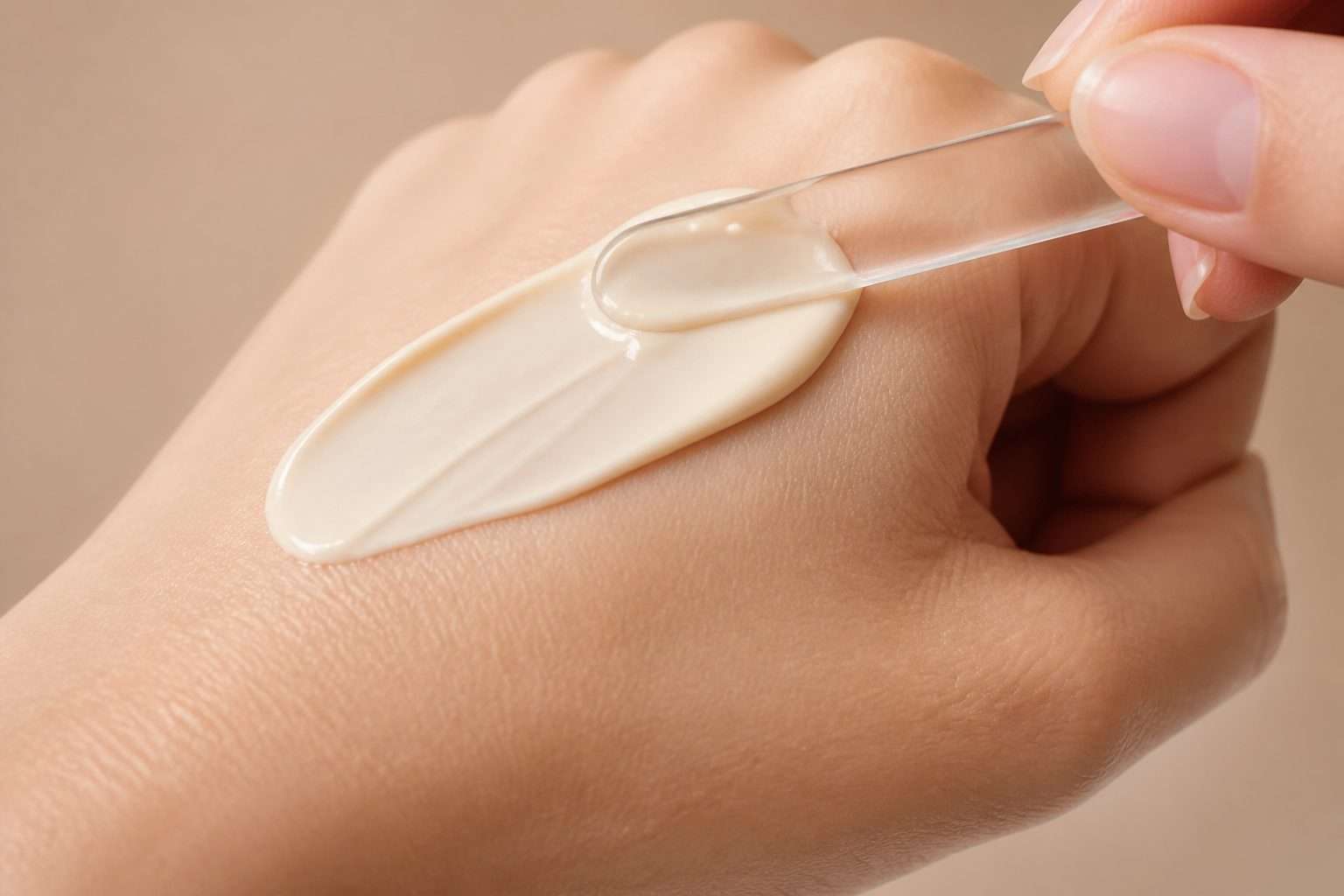
- Moisturiser. A fragrance-free cream with ceramides, glycerin or panthenol. You'll need something richer than you used before.
- Sunscreen, SPF 30 or higher. The NHS advises using SPF 30 or above, reapplying regularly, and avoiding long sun exposure.
- Lip balm.
Evening
- Gentle cleanser. If you wear makeup or water-resistant sunscreen, use a mild oil or balm cleanser first.
- Moisturiser, generously.
- An ointment on very dry areas: lips, corners of the mouth, around the nostrils, any cracked patches.
That's the whole routine. Fewer products means fewer things to sting.
Free toolRetinol starter scheduleGet a week-by-week plan for starting retinol.Open the retinol schedule →Lips
Buy several lip balms and keep one everywhere.
- Use a plain, thick, fragrance-free balm or ointment: petroleum jelly, or a lanolin or ceramide-based balm.
- Apply constantly, including before bed and before going out in cold or wind.
- Avoid balms with menthol, camphor, fragrance or flavouring, which can irritate cracked lips.
- Use one with SPF in the sun.
- If the corners of your mouth crack and don't heal, or lips become very swollen or crusted, tell your team. It may need treatment, or a change of dose.
See chapped lips and the best lip balms.
Eyes and nose
- Dry eyes: lubricating eye drops from a pharmacy help. Contact lenses may become uncomfortable; wear glasses more. Report any change in vision, especially at night.
- Dry nose and nosebleeds: a little petroleum jelly just inside the nostrils, morning and night.
Body and hands
- Short, lukewarm showers.
- A soap-free wash.
- Body lotion or cream straight after, while skin is damp.
- Hand cream after washing. The backs of the hands often become dry and red.
What to stop
The NHS advises avoiding the following while on isotretinoin.
| Stop | Why |
|---|---|
| Skincare containing salicylic acid or benzoyl peroxide | Too drying and irritating with isotretinoin |
| Other acne skin treatments | Not needed, and irritating |
| Chemical peels and microdermabrasion | The skin is too fragile |
| Waxing and laser hair removal | Risk of skin tearing, burns and scarring |
| Sunbeds and sunlamps | Increased sensitivity to UV |
| Vitamin A supplements | Isotretinoin is a form of vitamin A; adding more risks toxicity. Check multivitamins |
By the same reasoning, leave out for the duration:
- retinol, retinal and other retinoids in skincare
- exfoliating acids: glycolic, lactic, mandelic
- scrubs, cleansing brushes and exfoliating cloths
- strong vitamin C serums, if they sting
- clay masks and alcohol-based toners
- fragranced products
Hair removal
- Shaving: fine, with a sharp blade and plenty of gel, gently.
- Threading and plucking: usually tolerated for small areas; skin may be more tender.
- Waxing and laser: avoid, as above. Ask your dermatologist how long to wait after finishing the course.
Cosmetic treatments and procedures
Tell any practitioner you're taking isotretinoin, or have taken it recently. Peels, laser, microneedling and similar procedures are generally postponed until some months after a course. Your dermatologist will advise on timing for you.
Makeup
You can wear it. Dry, flaky skin makes foundation harder to apply:
- moisturise well and let it absorb first
- choose hydrating, non-comedogenic bases
- avoid powders on dry patches
- remove it gently
Sun
Skin burns faster on isotretinoin. Wear sunscreen daily in spring and summer and on holiday, reapply outdoors, and cover up. A moisturising sunscreen is more comfortable than a matte one.
Exercise
The NHS advises avoiding intense exercise while taking isotretinoin, as it can cause severe joint and muscle pain. Ask your team what's sensible for you.
Pregnancy
Isotretinoin causes serious harm to an unborn baby. It must not be taken in pregnancy. The NHS advises effective contraception from at least one month before treatment until at least one month after stopping. Your team will explain the pregnancy prevention programme.
When to contact your team or get help
Skin and lips
- Severe dryness, cracking or peeling that moisturiser doesn't control
- A widespread rash, blistering or peeling skin
- Signs of infection: crusting, weeping, increasing pain
Urgently
The NHS lists serious side effects that need immediate attention, including mental health changes and thoughts of self-harm, severe stomach pain (which can be a sign of an inflamed pancreas), seizures, shortness of breath, and signs of a severe allergic reaction. Call 111, or 999 in an emergency. If you're struggling, you can also call Samaritans on 116 123 at any time.
Don't stop or change your dose without speaking to your prescriber, except in an emergency.
After the course
Dryness settles over a few weeks. Your team will advise on:
- when you can restart other skincare, such as a topical retinoid for maintenance
- when procedures and waxing are safe again
- what to do if acne returns
Reintroduce products one at a time. For marks and scars left behind, see types of acne scars and post-inflammatory erythema.
For background on severe acne, see cystic acne.
References
NHS. Isotretinoin capsules (Roaccutane). (https://www.nhs.uk/medicines/isotretinoin-capsules/)
National Institute for Health and Care Excellence. Acne vulgaris: management. NICE guideline NG198. (https://www.nice.org.uk/guidance/ng198)
FAQs
What skincare should I use on Roaccutane?
A gentle cleanser, a rich fragrance-free moisturiser, sunscreen and lip balm.
What should I avoid on isotretinoin?
Salicylic acid, benzoyl peroxide, other acne treatments, retinoids, acids, peels, waxing, laser hair removal, sunbeds and vitamin A supplements.
Can I use retinol while on isotretinoin?
No. Leave out all topical retinoids during a course.
How do I deal with dry lips on isotretinoin?
Apply a thick, plain balm or ointment very frequently. Tell your team if lips crack badly.
Can I get my eyebrows waxed on Roaccutane?
No. Waxing can tear the skin. Threading or plucking is usually tolerated.