Obviously Skincare
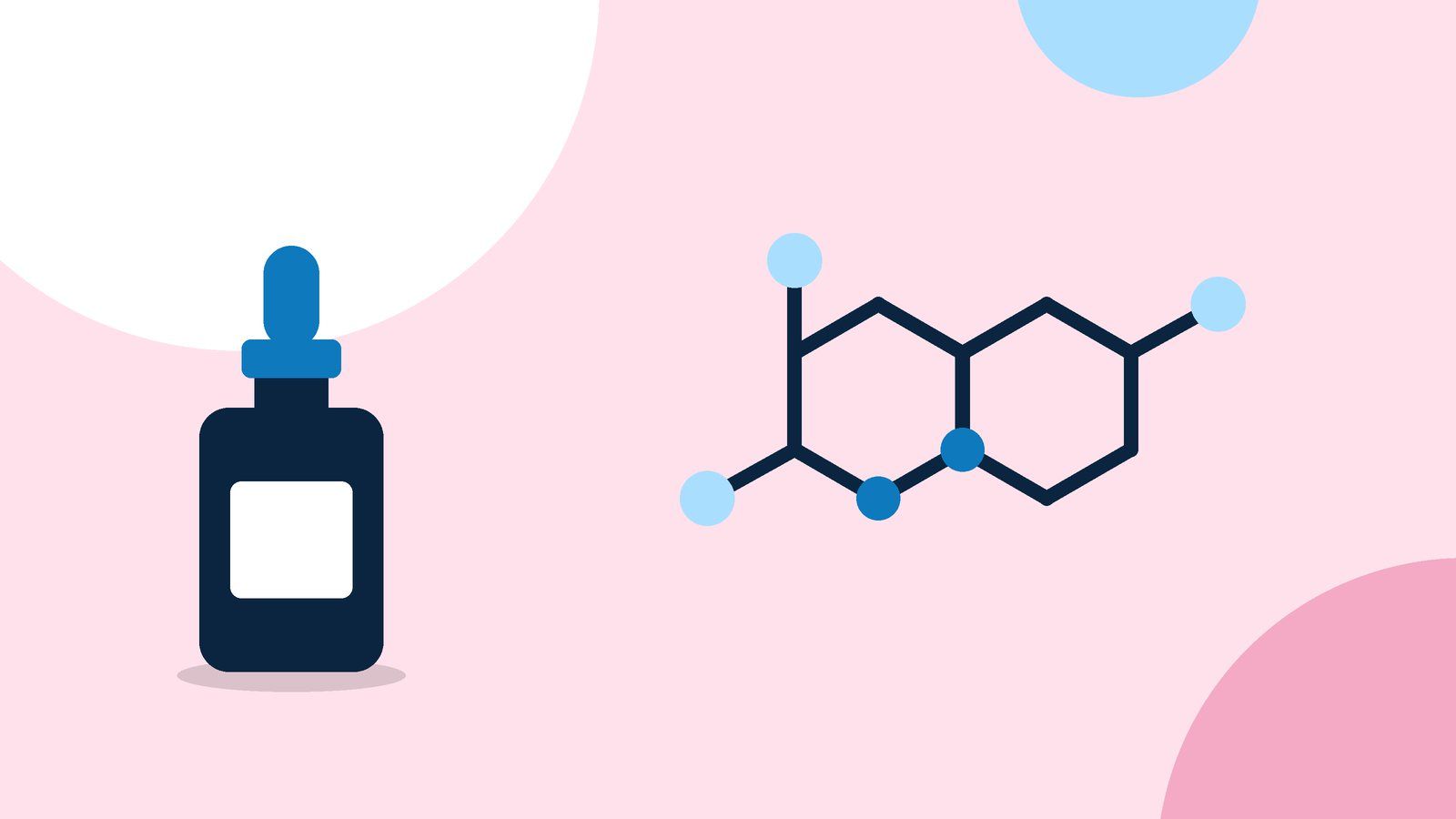
Sulfur is one of the oldest acne treatments still in use. It dries the surface of the skin, has antibacterial and antifungal activity, and helps loosen the dead cells that clog pores. It's milder than benzoyl peroxide, which is its main appeal: people whose skin can't take benzoyl peroxide or retinoids can often use sulfur. Its drawbacks are a thin modern evidence base and the smell.
In UK shops you'll often see it spelt "sulphur".
How it works
A review of sulfur in dermatology describes it as having antifungal, antibacterial and keratolytic activity. In practice that means:
- Keratolytic: it softens and helps shed the outer layer of dead cells, which helps unblock pores.
- Antibacterial: it reduces acne bacteria on the skin.
- Drying: it absorbs excess oil and dries out the surface of a spot.
- Antifungal: which makes it useful for some yeast-related skin problems.
The same review notes that side effects are rare and mostly limited to mild reactions where it's applied.
How good is the evidence?
Honestly, limited. Sulfur was widely used before modern clinical trials were standard, and few good trials have been done since. A Cochrane review of topical acne treatments included sulphur and found too little reliable evidence to judge it. It doesn't feature in current first-line acne guidelines.
So sulfur is best seen as a gentle, long-used option for mild acne, not a proven first choice.
Free toolSkincare routine builderNot sure what order to use your products in?Open the routine builder →What it's good for
| Concern | Useful? |
|---|---|
| Mild inflamed spots | Yes |
| Whiteheads and surface spots | Yes |
| Oily skin | Yes |
| Blackheads | Somewhat |
| Deep, cystic acne | No |
| Fungal acne | Possibly; see a GP or pharmacist first |
| Rosacea bumps | Used in some prescription products |
| Seborrhoeic dermatitis and dandruff | Yes, traditionally |
Who it suits
- Sensitive skin that reacts to benzoyl peroxide
- Oily skin with occasional spots
- People who want a spot treatment, not a whole-face treatment
- Pregnancy, when retinoids are off limits. Sulfur is generally regarded as acceptable; check with your midwife.
Who should avoid it
- Very dry skin. It will make it drier.
- Sulfonamide ("sulfa") allergy: elemental sulfur is a different substance from sulfa drugs, and the allergy doesn't apply to it. Some prescription products combine sulfur with sodium sulfacetamide, which is a sulfa drug. If you have a sulfa allergy, check the ingredients and ask a pharmacist.
- Broken or very irritated skin.
How to use it
Sulfur comes in three main forms.
Spot treatment
A paste or lotion, often 5% to 10% sulfur, sometimes with zinc oxide or salicylic acid.
- Cleanse and dry your skin.
- Dab a small amount on each spot. For the pink two-layer type, dip a cotton bud to the sediment at the bottom without shaking the bottle.
- Leave on overnight.
- Rinse off in the morning.
Mask
Usually 3% to 10% sulfur, often with clay.
- Apply a thin layer to clean skin, on oily or spot-prone areas.
- Leave for 10 minutes, or as directed.
- Rinse and moisturise.
- Use one to three times a week.
Cleanser or soap
A sulfur wash, used once a day, rinsed off. The mildest option, and useful for the chest and back.
Start with two or three times a week whatever the form, and moisturise afterwards.
The smell
Sulfur smells of struck matches or eggs. Modern formulas mask it to varying degrees, and wash-off products leave little behind. If the smell bothers you, use a mask or a wash, or keep a spot treatment for overnight.
Side effects
- Dryness and flaking, the most common
- Mild redness or stinging
- The smell
- Possible discolouration of some jewellery and fabrics
Reduce frequency if your skin gets tight or flaky.
Sulfur vs other acne ingredients
| Sulfur | Benzoyl peroxide | Salicylic acid | |
|---|---|---|---|
| Strength of evidence | Weak | Strong | Limited |
| Kills acne bacteria | Mildly | Strongly | Slightly |
| Unclogs pores | Mildly | Mildly | Yes |
| Irritation | Low | Higher | Moderate |
| Bleaches fabric | No | Yes | No |
| Best for | Mild spots, sensitive skin | Inflamed spots | Blackheads, congestion |
See benzoyl peroxide vs salicylic acid.
What to use it with
- Fine with: gentle cleanser, moisturiser, niacinamide, sunscreen.
- Often combined with: salicylic acid, in the same product.
- Use at a different time from: benzoyl peroxide, retinoids and exfoliating acids, since all are drying.
When it isn't enough
If you have more than occasional spots, sulfur alone probably won't control them. See a GP if acne hasn't improved in 12 weeks, or if you have painful deep spots or scarring. For overnight spot care without drying ingredients, see pimple patches.
References
Gupta AK, Nicol K. The use of sulfur in dermatology. J Drugs Dermatol. 2004;3(4):427-431. (https://pubmed.ncbi.nlm.nih.gov/15303787/)
Liu H, Yu H, Xia J, Liu L, et al. Topical azelaic acid, salicylic acid, nicotinamide, sulphur, zinc and fruit acid (alpha-hydroxy acid) for acne. Cochrane Database Syst Rev. 2020;5(5):CD011368. (https://pubmed.ncbi.nlm.nih.gov/32356369/)
FAQs
Does sulfur help acne?
It can help mild acne by drying spots, reducing bacteria and loosening dead skin. The trial evidence is limited.
Is sulfur better than benzoyl peroxide?
No. Benzoyl peroxide is more effective. Sulfur is gentler.
Can I use sulfur every day?
A wash can be used daily. Start masks and spot treatments at two or three times a week.
Can I use sulfur if I'm allergic to sulfa drugs?
Does sulfur work on cystic acne?
No. Deep acne needs prescription treatment.
How long does sulfur take to work?
A spot may dry out in one to three days. Allow several weeks for overall improvement.