Obviously Skincare
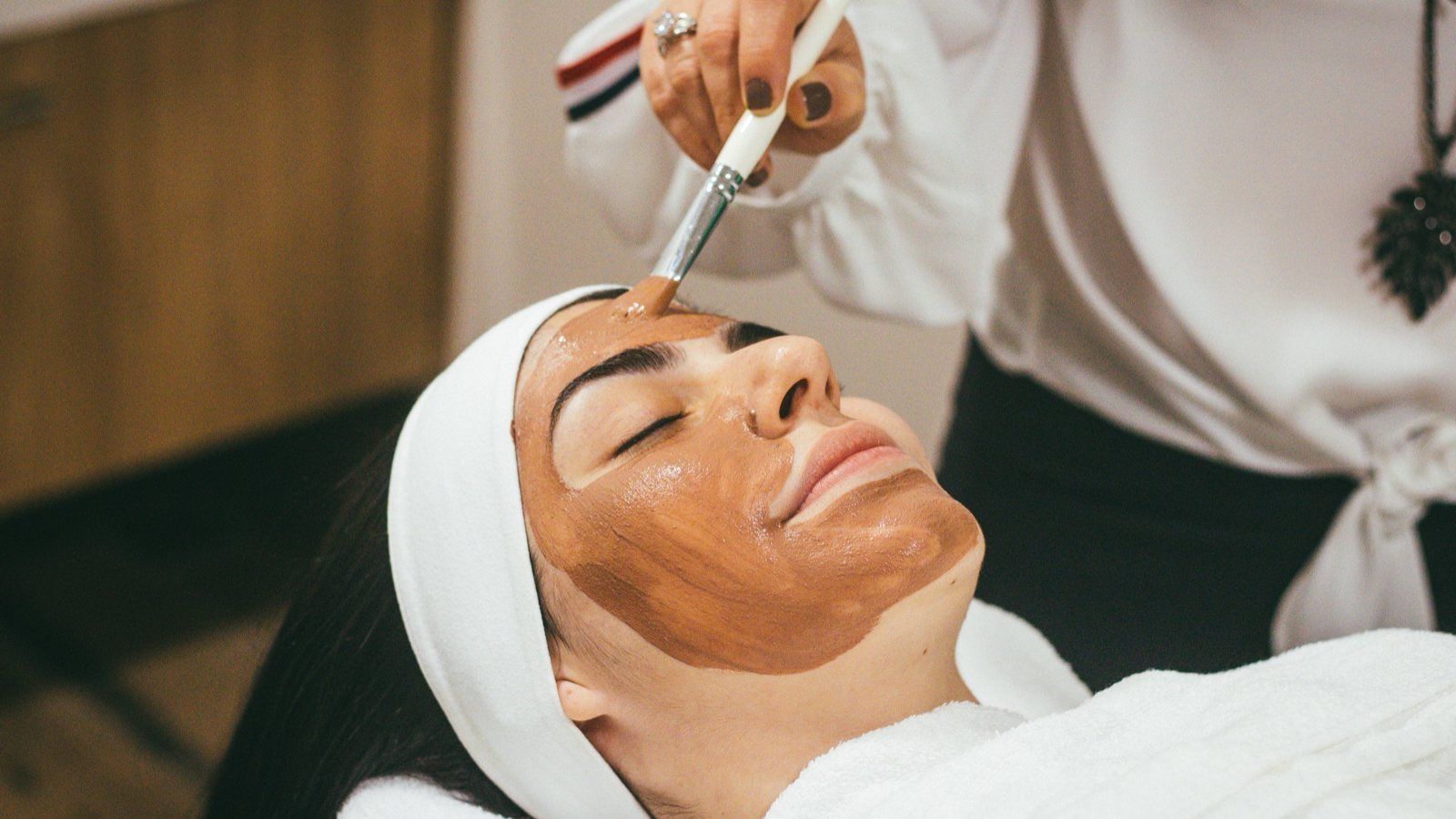
The Ordinary AHA 30% + BHA 2% Peeling Solution is the dark red mask that made at-home peels mainstream. It's a strong product, far stronger than a daily acid toner, and the brand says it's for people already experienced with acid exfoliation. Used correctly it smooths texture and brightens dull skin. Used carelessly it causes chemical burns.
The rules: dry skin, evening only, no more than 10 minutes, no more than twice a week, rinse thoroughly, sunscreen for the following week.
What's in it
- 30% alpha hydroxy acids: glycolic, lactic, tartaric and citric acids. These loosen the bonds between dead cells on the surface.
- 2% salicylic acid (a beta hydroxy acid), which works inside pores.
- Tasmanian pepperberry, to reduce irritation.
- A hyaluronic acid derivative, vitamin B5 and black carrot extract.
The pH is around 3.6. For comparison, the brand's glycolic toner is 7% acid; this is more than four times the AHA concentration, which is why it's rinsed off.
Who it's for, and who should avoid it
| Suitable | Not suitable |
|---|---|
| Skin already used to leave-on acids | First-time acid users |
| Dull, rough or uneven texture | Sensitive, reactive or rosacea-prone skin |
| Oily or combination skin with congestion | Eczema, psoriasis, dermatitis |
| Mild marks left by old spots | Broken, peeling or sunburnt skin |
| Active inflamed acne | |
| Anyone using prescription retinoids, unless a prescriber agrees | |
| Under-18s |
If you're pregnant or breastfeeding, ask your midwife or GP before using a product of this strength.
People with brown and black skin can use it, but irritation carries a higher risk of dark marks, so start with a shorter time.
Free toolSkincare ingredient checkerCheck whether two ingredients can be used together.Open the ingredient checker →How to use it
- Cleanse with a gentle cleanser.
- Dry your skin completely. This matters: water on the skin helps the acid penetrate faster and unevenly.
- Apply a thin, even layer with your fingertips to the face and neck. Avoid the eye area, lips, nostrils and any broken skin.
- Set a timer. First use: 5 minutes. Maximum: 10 minutes.
- Rinse thoroughly with lukewarm water. Don't scrub.
- Pat dry and apply a plain, soothing moisturiser.
Tingling is expected. If it burns, rinse it off immediately, whatever the timer says.
Patch test first
Apply a small amount to a patch of skin behind the ear or on the jawline for a few minutes, rinse, and wait 24 hours.
How often
Start with once every 10 to 14 days. If your skin stays comfortable, move to once a week. Twice a week is the brand's stated maximum, and few people need that.
Related guideThe Ordinary Glycolic Acid 7% Toner: How to Use ItHow to use The Ordinary Glycolic Acid 7% Exfoliating Toner: how often, at what step, what not to combine it with, who should skip it.Read the guide →What to use afterwards
That night:
- A hydrating serum such as hyaluronic acid, if you like
- A moisturiser with ceramides, glycerin, panthenol or squalane
- Nothing else
Don't apply the same night:
- Retinol or other retinoids
- Other acids, including glycolic toner and salicylic acid
- Vitamin C
- Benzoyl peroxide
- Niacinamide at high strength, if your skin feels sensitised
The following days:
- SPF 30 or higher every morning for at least a week. Freshly exfoliated skin burns more easily.
- Wait two or three nights before using retinol again.
Where it fits in a week
| Night | |
|---|---|
| Sunday | Peeling solution |
| Monday | Moisturiser only |
| Tuesday | Moisturiser only |
| Wednesday | Retinol |
| Thursday | Moisturiser only |
| Friday | Retinol |
| Saturday | Moisturiser only |
On peel weeks, leave out your other exfoliants entirely.
Mistakes that cause burns
- Leaving it on longer than 10 minutes. More time means more damage, not more glow.
- Applying to damp skin.
- Using it after shaving, waxing or threading.
- Using it alongside retinoids or other acids.
- Using it several times a week.
- Using it on a compromised barrier, when your skin already stings with ordinary products.
- Skipping sunscreen.
What's normal afterwards, and what isn't
Normal: pinkness for an hour or so, tightness, mild flaking in the next few days.
Not normal: burning that continues after rinsing, swelling, raw or weeping patches, blisters, or skin that turns dark or crusts. Treat it as a burn: cool water, plain moisturiser or petroleum jelly, no actives, sun avoidance, and medical advice if it blisters or doesn't settle in a few days. See barrier repair.
What results to expect
- Next morning: smoother, brighter skin.
- After 4 to 6 uses: more even texture; clogged pores less obvious.
- Over 2 to 3 months: some fading of superficial marks.
It won't remove deep acne scars, wrinkles or melasma.
Gentler alternatives from the same range
- Lactic Acid 5% + HA or 10% + HA: leave-on, far milder
- Mandelic Acid 10% + HA: gentle, good for deeper skin tones
- Glycolic Acid 7% Exfoliating Toner: see how to use it
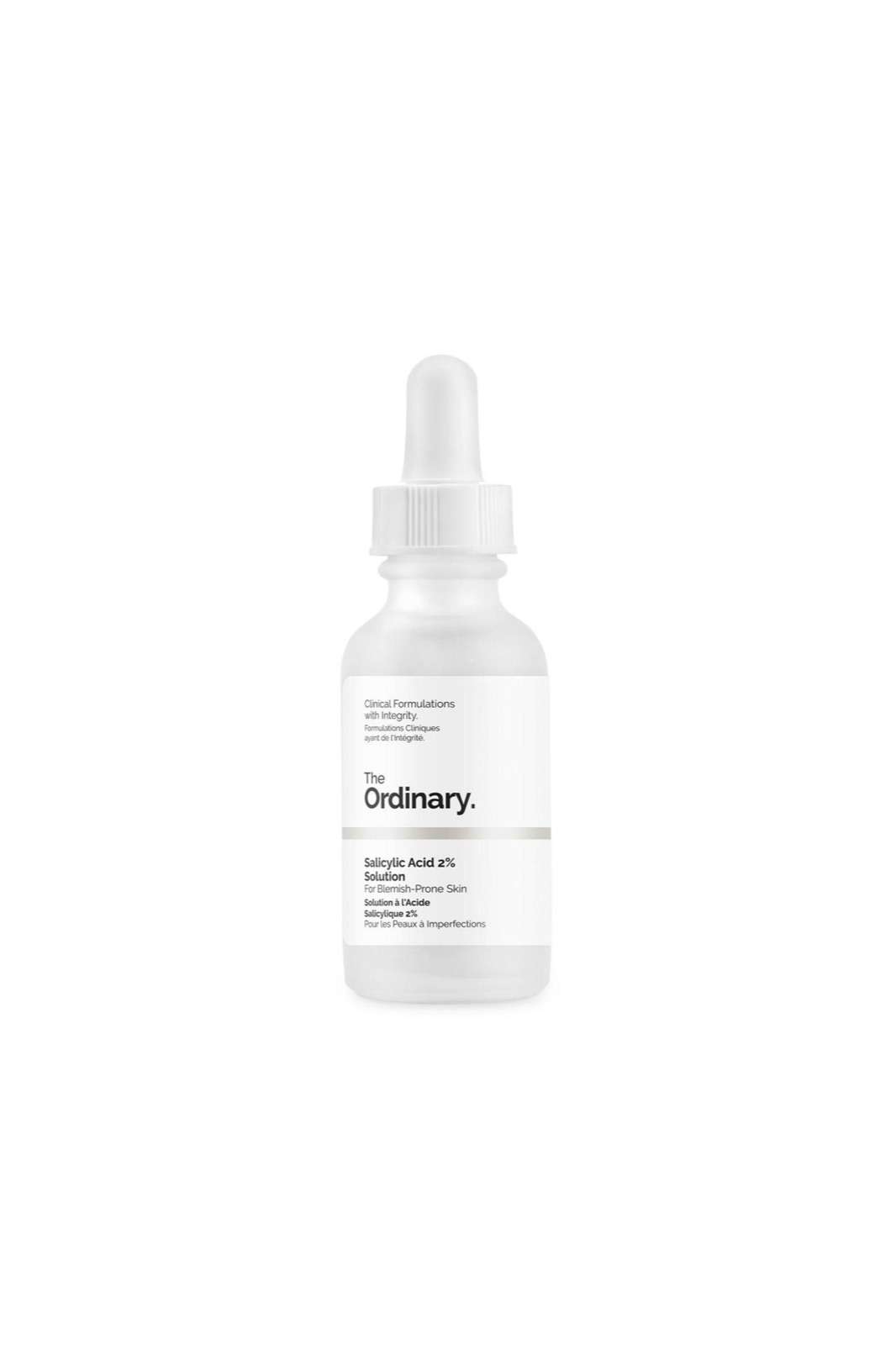
- Salicylic Acid 2% Solution: for pores and spots; see the guide
For peels in general, see at-home chemical peels.
References
Soleymani T, Lanoue J, Rahman Z. A practical approach to chemical peels: a review of fundamentals and step-by-step algorithmic protocol for treatment. J Clin Aesthet Dermatol. 2018;11(8):21-28. (https://pubmed.ncbi.nlm.nih.gov/30214663/)
Kornhauser A, Coelho SG, Hearing VJ. Applications of hydroxy acids: classification, mechanisms, and photoactivity. Clin Cosmet Investig Dermatol. 2010;3:135-142. (https://pubmed.ncbi.nlm.nih.gov/21437068/)
FAQs
How long do you leave The Ordinary peeling solution on?
No more than 10 minutes. Start with 5.
Do I apply it to wet or dry skin?
Dry skin only.
What should I put on after The Ordinary peeling solution?
A plain moisturiser, and a hydrating serum if you want. No retinol, acids or vitamin C that night.
Can I use it with retinol?
Not on the same night. Leave two or three nights between them.
Can beginners use it?
It isn't recommended. Start with a low-strength leave-on acid.