Obviously Skincare
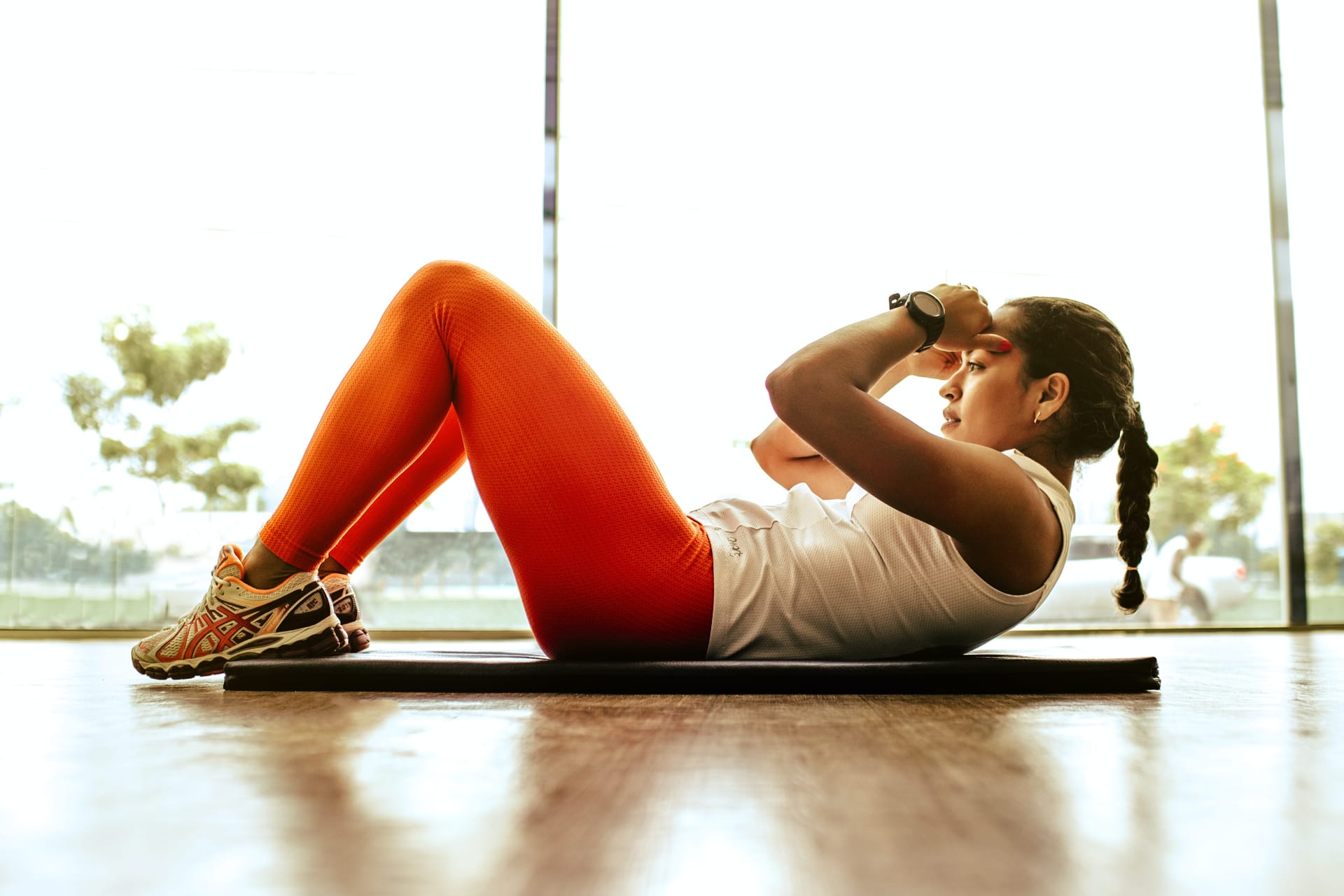
Regular exercise is good for your skin, mostly in indirect ways: better sleep, lower stress and better overall health. There's also early evidence that it may slow some of the changes of skin ageing directly. But it won't clear acne or reverse ageing on its own, and the sweat, friction and sun that come with it can cause problems if you're not careful.
Four ways exercise helps your skin
1. It may slow skin ageing
This is the most interesting finding. Researchers at McMaster University compared skin from people who exercised regularly with skin from people who didn't. The exercisers over 40 had skin that looked structurally more like that of younger people. When previously inactive older adults took up regular endurance exercise for three months, the structure of their skin changed towards that of younger skin. The researchers traced part of the effect to a signalling molecule, IL-15, released by working muscles.
It's one small study, and nobody has shown that exercise visibly reduces wrinkles. But it suggests the benefits of exercise reach the skin, not just the heart and muscles.
2. It improves sleep, which skin needs
Regular activity helps you fall asleep faster and sleep more deeply. That matters for skin. In one study, poor sleepers had more signs of skin ageing, lost more water through their skin, and recovered from UV redness more slowly. After the skin barrier was disrupted, good sleepers' barriers recovered 30% more within 72 hours. See sleep and your skin.
3. It lowers stress
Exercise is one of the most reliable ways to manage stress, and stress makes several skin conditions worse. In a study of university students, acne got worse during exam periods, and the increase tracked how stressed they felt, even after allowing for changes in sleep and diet. Stress also worsens eczema, psoriasis and rosacea flares. See how stress affects your skin.
4. It supports overall health
Exercise helps with blood sugar, weight, blood pressure and circulation, all of which affect skin over the long term. Conditions like type 2 diabetes cause slow wound healing, skin infections and darkened skin folds, so anything that lowers that risk helps your skin too.
What exercise can't do
| Claim | Reality |
|---|---|
| "Sweating detoxes your skin" | Sweat is mostly water and salt. Your liver and kidneys handle waste, not your pores. |
| "Sweat unclogs pores" | Sweat comes from sweat glands, not the oil glands where pores clog. Leaving sweat on the skin can contribute to breakouts. |
| "The post-workout glow is a lasting benefit" | The flush is increased blood flow and fades within an hour or so. |
| "Exercise clears acne" | It may help indirectly through stress and sleep, but acne needs proper treatment. See the minimal acne routine. |
| "Exercising outdoors gives you healthy vitamin D, so skip SPF" | Sunburn and UV damage are the biggest causes of skin ageing and skin cancer. Use SPF. |
Skin problems exercise can cause
| Problem | What it looks like | What helps |
|---|---|---|
| Sweat and friction breakouts | Spots on the forehead (under headbands), chest, back and shoulders (under straps) | Breathable kit, shower soon after, a benzoyl peroxide or salicylic acid wash. See back acne. |
| Fungal acne | Small, uniform, itchy bumps on the chest, back and forehead | Change out of sweaty clothes quickly; anti-dandruff shampoo with ketoconazole as a wash |
| Chafing | Red, raw patches on inner thighs, underarms, under sports bras | Anti-chafing balm, well-fitting moisture-wicking clothes |
| Sunburn | Outdoor runners, cyclists, swimmers | Water- and sweat-resistant SPF 30+, reapplied every two hours |
| Rosacea flushing | Redness during and after intense exercise | Shorter, cooler sessions; exercise in the morning or evening; cool water |
| Heat rash | Tiny itchy or prickly bumps in hot weather | Cool down, loose clothing. See heat rash. |
| Athlete's foot and fungal rashes | Itchy, scaling skin between toes or in groin | Dry carefully, change socks, antifungal cream |
| Swimming dryness | Tight, itchy skin after chlorinated pools | Rinse after swimming, moisturise straight away |
A simple gym skincare routine
Before
- Take off makeup, or keep it light. Foundation plus sweat plus friction is a recipe for clogged pores.
- Apply sweat-resistant SPF 30+ if you're training outdoors, at least 15 minutes before.
- Use an anti-chafing balm where you rub.
- Tie hair back and avoid heavy hair products that can run onto your forehead.
During
- Wear breathable, moisture-wicking fabrics.
- Pat sweat away with a clean towel rather than wiping, which adds friction.
- Avoid touching your face with gym-equipment hands. See why to stop touching your face.
- Wipe down shared mats and equipment before use.
After
- Shower soon, in lukewarm water. See hot vs cold showers.
- Change out of sweaty clothes straight away. This is the single most useful habit for body breakouts.
- Cleanse your face with a gentle cleanser, then moisturise.
- Prone to body breakouts? Use a benzoyl peroxide or salicylic acid body wash a few times a week. Leave benzoyl peroxide on for a couple of minutes before rinsing, and note that it can bleach towels.
- Can't shower straight away? Use a gentle cleansing wipe or micellar water on your face, and change your top.
Exercise and specific skin conditions
- Acne: exercise is fine and may help through stress. Focus on removing sweat and changing clothes quickly.
- Eczema: sweat can sting and trigger itching. Choose cooler environments, shower afterwards, and moisturise straight away.
- Psoriasis: regular exercise and weight management are linked with better control. Avoid friction on plaques.
- Rosacea: keep sessions cooler and moderate; swimming is often well tolerated.
References
- Crane JD, MacNeil LG, Lally JS, et al. Exercise-stimulated interleukin-15 is controlled by AMPK and regulates skin metabolism and aging. Aging Cell. 2015;14(4):625-34. (https://pubmed.ncbi.nlm.nih.gov/25902870/)
- Oyetakin-White P, Suggs A, Koo B, et al. Does poor sleep quality affect skin ageing? Clin Exp Dermatol. 2015;40(1):17-22. (https://pubmed.ncbi.nlm.nih.gov/25266053/)
- Chiu A, Chon SY, Kimball AB. The response of skin disease to stress: changes in the severity of acne vulgaris as affected by examination stress. Arch Dermatol. 2003;139(7):897-900. (https://pubmed.ncbi.nlm.nih.gov/12873885/)
- Mills OH Jr, Kligman A. Acne mechanica. Arch Dermatol. 1975;111(4):481-3. (https://pubmed.ncbi.nlm.nih.gov/123732/)
FAQs
Is exercise good for your skin?
Yes, mainly indirectly, through better sleep, lower stress and overall health. Early research suggests it may also slow some changes of skin ageing.
Does sweating clear your pores?
No. Sweat doesn't clean pores, and leaving it on your skin can contribute to breakouts.
Why do I break out after the gym?
Sweat, friction, tight clothing and touching your face can all trigger spots. Shower and change soon after exercise.
Should I wear makeup to the gym?
It's better to go without, or keep it light, to reduce clogged pores.
Should I wash my face before or after a workout?
Both, ideally: remove makeup before, and cleanse afterwards to remove sweat.
Does exercise make your skin glow?
Yes, temporarily. The glow is increased blood flow and usually fades within an hour.
What type of exercise is best for your skin?
The study linking exercise to younger-looking skin used endurance exercise like cycling, but any regular activity you'll stick with helps through sleep and stress.