

Dermaplaning is one of the few trendy treatments that delivers exactly what it promises, immediately. One session removes the layer of dead skin cells and vellus hair (peach fuzz) sitting on your face, and the result is visibly smoother, brighter skin the same day. In a clinic, a professional does it with a surgical scalpel. At home, a dedicated facial razor gets you most of the benefit with a fraction of the risk, and for a few pounds rather than £60 or more a session.
What is dermaplaning?
Dermaplaning is physical exfoliation with a blade. A dermatologist or aesthetician holds a sterile surgical scalpel at an angle and gently scrapes the surface of the skin, taking off the outermost dead skin cells and the fine vellus hairs along with them.
The at-home version is the same principle with a safer tool: small single-blade facial razors (the type made by Tinkle, Kitsch and half the pharmacy aisle) or guarded dermaplaning devices designed specifically so you can't dig in the way a bare scalpel can. Done properly, it's low-irritation with no downtime, which is more than can be said for most exfoliating treatments.
Worth saying up front: dermaplaning is essentially very thorough shaving. That's not a criticism, it's why it works, and it's also why the "will my hair grow back thicker?" worry is a myth we'll deal with below.
The benefits of dermaplaning
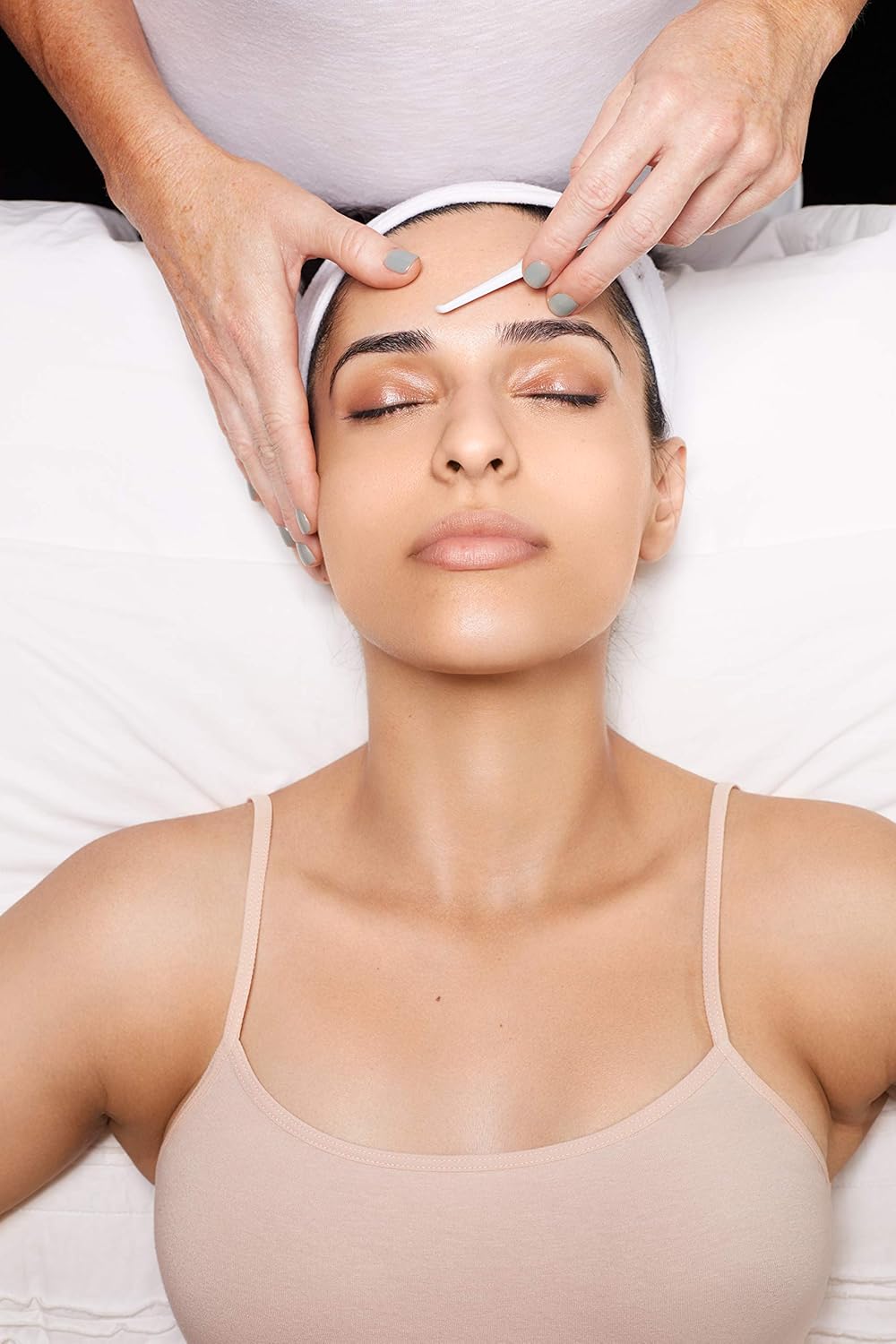
Photo by StackedSkincare
Softer, smoother, brighter skin, instantly. By removing the dead outer layer, you're revealing the fresher skin underneath, and removing peach fuzz makes skin look more even and reflect light better. This is also why makeup applies so much more smoothly after dermaplaning; there's simply less texture for it to catch on.
Better product absorption. Serums work noticeably better when they don't have to fight through a layer of dead cells and fine hair. Applying your hydrating products right after dermaplaning is where the treatment really earns its keep.
Can help soften the look of acne scarring. Improved cell turnover from regular exfoliation may gradually soften shallow, textural scarring, though we'll be honest: the medical evidence here is thin. Treat it as a possible bonus, not the reason to start. For genuine acne scarring, The Ordinary's acne scar regimen or professional treatments will do more.
Fewer clogged pores. Vellus hairs and dead cells both contribute to trapping oil and debris in pores. Clearing them regularly can mean less congestion, though if blackheads are your main concern, salicylic acid remains the better tool because it works inside the pore.
How to dermaplane at home

- Choose your tool. For home use we recommend a single-blade facial razor or a guarded dermaplaning tool rather than a bare surgical scalpel. Scalpels are more effective in trained hands, but the margin for error on your own face is small, and the guarded tools get you 90% of the result with far less risk. Whatever you use, it must be fresh or properly disinfected, and never shared.
- Start with clean, dry skin. Cleanse thoroughly and pat completely dry. Dermaplaning is done on dry skin so the blade glides and you can see what you're doing. Wipe the skin with an alcohol pad if you want to be thorough; you don't want bacteria near any accidental nicks.
- Disinfect the blade with alcohol before you start, every time.
- Pull the skin taut and use short, light strokes at roughly 45 degrees. Work downward in the direction of hair growth, one small section at a time, holding the skin taut with your free hand. No pressure; the blade does the work. If 45 degrees feels intimidating, flatten the angle. Take extra care around the nose, mouth and jawline where skin is thinner and curved.
- Never go over active breakouts or irritated skin. Running a blade across a spot means bleeding, bacteria spread and a longer-lasting mark than the spot would have left on its own. Steer around blemishes entirely, and skip the session if your skin is having a bad week.
- Follow up with hydration, not acids. Freshly dermaplaned skin absorbs everything better, which is wonderful for hyaluronic acid and a good moisturiser, and painful for exfoliating acids. Skip AHAs, BHA and retinol for 24 hours; your skin has already been exfoliated.
Repeat every three to four weeks. That matches the skin's natural turnover cycle, and more frequent sessions add irritation rather than benefit.
Side effects and who should skip it
For most people, side effects are minor: some redness for an hour or two, and temporarily increased sensitivity. Two rules cover the aftercare: no strong actives for a day, and diligent SPF 30+, since freshly exfoliated skin burns more easily.
Skip dermaplaning altogether if you have active acne, rosacea, eczema or psoriasis flare-ups, or very reactive skin. A blade over inflamed skin makes everything worse, and gentler exfoliation options like PHAs will serve you better.
Frequently asked questions
Does hair grow back thicker after dermaplaning?
No. This is the most persistent shaving myth in existence. Cutting a hair doesn't change the follicle, which is what determines thickness and colour. Regrowing hairs can feel slightly blunter for a few days because they've been cut straight across rather than tapering naturally, but they're the same fine vellus hairs they always were.
How long do dermaplaning results last?
Around three to four weeks, which is roughly how long it takes the peach fuzz and a fresh layer of dead cells to return. That's why the recommended frequency lines up with the same window.
Is at-home dermaplaning as good as professional?
Not quite, and that's fine. A professional with a surgical scalpel removes more, more evenly. But a careful at-home session with a facial razor delivers most of the visible benefit at a fraction of the cost, which is a trade most people are happy with.
Can I dermaplane with acne?
Around acne, carefully, yes. Over it, never. If breakouts cover most of your face, deal with the acne first; a minimal acne routine is the place to start.
To sum it up
At-home dermaplaning is a genuinely effective way to get smoother, brighter skin on the same day, with minimal risk if you use a proper facial razor, light strokes and clean tools. Steer around breakouts, follow with hyaluronic acid and moisturiser rather than acids, wear your SPF, and repeat monthly. Your hair will not grow back thicker; we promise.