Obviously Skincare
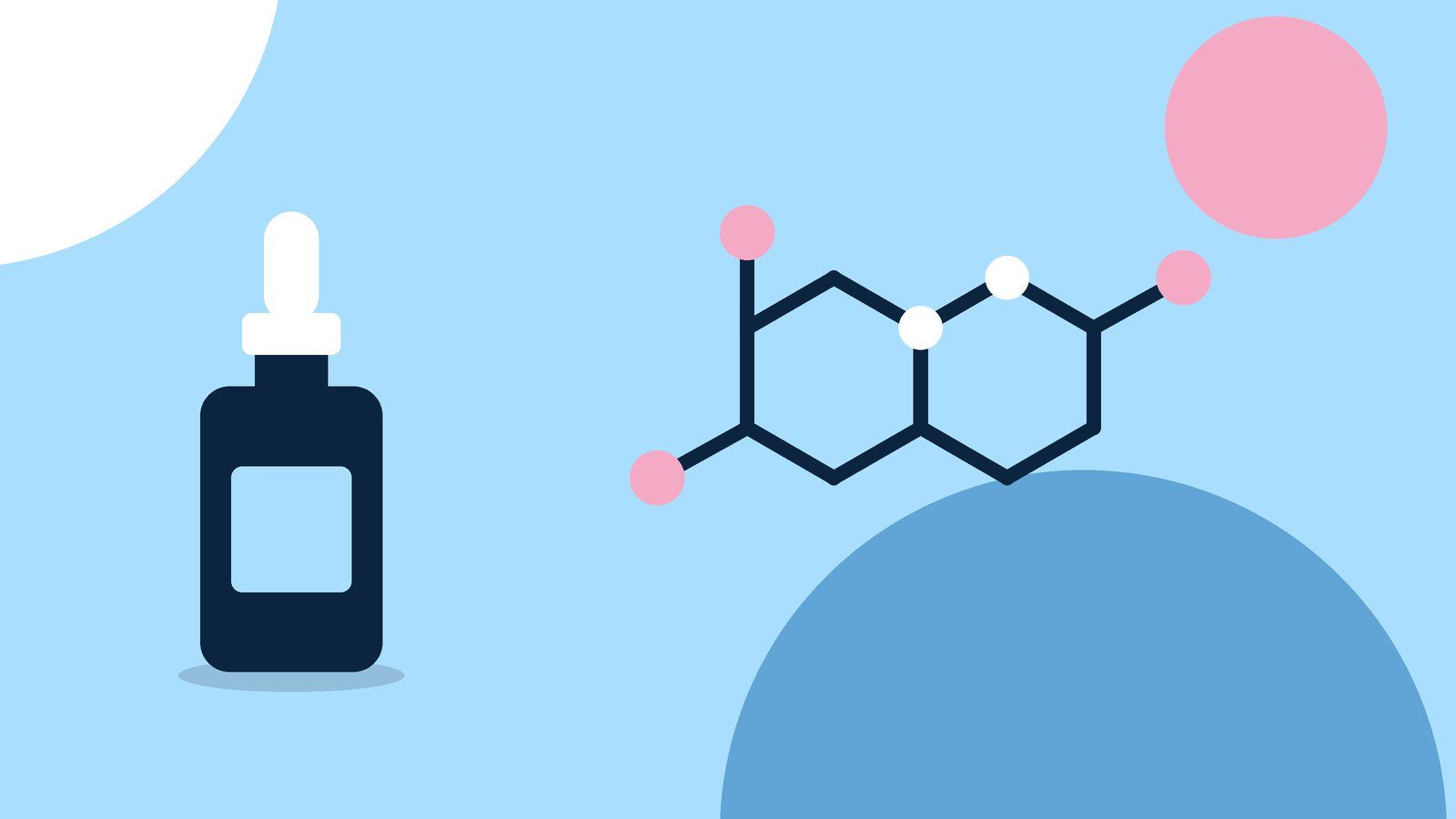
Mandelic acid is an alpha hydroxy acid derived from bitter almonds. Its molecule is about twice the size of glycolic acid's, so it enters the skin slowly and evenly. That makes it the gentlest of the commonly used AHAs, and a good option for skin that finds other acids too harsh: sensitive skin, acne-prone skin, and brown and black skin that marks easily when irritated.
How it differs from other AHAs
| Glycolic acid | Lactic acid | Mandelic acid | |
|---|---|---|---|
| Molecule size | Smallest | Small | Largest |
| Penetration | Fast | Moderate | Slow |
| Irritation | Highest | Moderate | Lowest |
| Oil-loving | No | No | Partly |
| Antibacterial | No | No | Yes |
| Evidence | Extensive | Good | Limited but growing |
Two things set it apart beyond gentleness. It's partly oil-soluble, so it mixes with the oil in pores better than other AHAs do. And it has antibacterial properties.
What it does
Exfoliates gently
Like all AHAs, it loosens the bonds between dead surface cells. Results appear more gradually than with glycolic acid, with less redness and flaking along the way.
Helps acne
In a 12-week trial of 50 people with mild to moderate acne, a series of 45% mandelic acid peels worked about as well overall as 30% salicylic acid peels. Mandelic acid did better on inflamed spots, salicylic acid on blackheads and whiteheads, and mandelic acid caused fewer side effects. These were clinic-strength peels, much stronger than home products, so home results will be more modest. See mandelic acid vs salicylic acid.
Fades dark marks
By speeding up the shedding of pigmented cells, without the irritation that can trigger more pigmentation. This is why it's often suggested for post-inflammatory hyperpigmentation on deeper skin tones.
Improves texture and firmness
In a four-week study of 24 people aged 42 to 68, a mandelic acid product applied twice daily increased measured skin elasticity by about 25% and firmness by about 24% around the lower eyelid. The study was small, had no comparison group, and was run by the developers of the product, so treat it as preliminary.
Free toolSkincare ingredient checkerCheck whether two ingredients can be used together.Open the ingredient checker →Who it suits
- Sensitive skin that wants to exfoliate
- Acne-prone skin, particularly with inflamed spots
- Skin that marks easily, including brown and black skin
- Beginners nervous about acids
- People who found glycolic acid too strong
Who might want something stronger
- Oily skin with stubborn blackheads: salicylic acid
- Thick, sun-damaged, resilient skin: glycolic acid
- Very dry skin: lactic acid, which hydrates
How to use it
- Strength: 5% to 10% in a leave-on serum.
- When: evening.
- Frequency: start twice a week. Many people can build to every other night or nightly, which is more than most skin tolerates with glycolic acid.
Routine:
- Cleanse and pat dry.
- Apply mandelic acid to the face, avoiding the eyes.
- Wait a minute.
- Moisturise.
- SPF 30 or higher the next morning, and every morning.
How long does it take?
- 2 to 4 weeks: smoother feel
- 6 to 8 weeks: fewer spots, brighter tone
- 8 to 12 weeks: fading of dark marks
It's slower than glycolic acid. That's the trade for gentleness.
What to pair it with
- Good with: niacinamide, hyaluronic acid, ceramides, peptides, azelaic acid (if tolerated).
- Alternate nights: retinoids.
- Don't layer with: other AHAs, salicylic acid, benzoyl peroxide, scrubs.
- Morning: vitamin C and sunscreen.
Side effects
Mild, and less common than with other AHAs: slight tingling, dryness or flaking if overused. It still increases sun sensitivity. If you have a nut allergy, note that cosmetic mandelic acid is made synthetically, but check with the manufacturer if you're concerned.
Pregnancy: there's little specific data. Low-strength AHAs are generally regarded as acceptable; ask your midwife.
Products
The Ordinary Mandelic Acid 10% + HA is the most widely available inexpensive serum. The Inkey List and several other brands sell mandelic acid treatments, sometimes combined with salicylic acid for blemish-prone skin.
For AHAs in general, see what is an AHA? and AHA vs BHA. For lactic acid, the next step up in strength, see lactic acid.
References
Dayal S, Kalra KD, Sahu P. Comparative study of efficacy and safety of 45% mandelic acid versus 30% salicylic acid peels in mild-to-moderate acne vulgaris. J Cosmet Dermatol. 2020;19(2):393-399. (https://pubmed.ncbi.nlm.nih.gov/31553119/)
Jacobs SW, Culbertson EJ. Effects of topical mandelic acid treatment on facial skin viscoelasticity. Facial Plast Surg. 2018;34(6):651-656. (https://pubmed.ncbi.nlm.nih.gov/30513536/)
FAQs
What does mandelic acid do for skin?
It gently exfoliates, helps with acne, and fades dark marks, with less irritation than other AHAs.
Is mandelic acid good for sensitive skin?
Yes. It's the gentlest common AHA.
Is mandelic acid good for acne?
Yes, particularly inflamed spots. For blackheads, salicylic acid is stronger.
Can I use mandelic acid with retinol?
On alternate nights.
Is mandelic acid safe for dark skin?
Yes. It's often recommended because it's less likely to cause irritation and dark marks.