
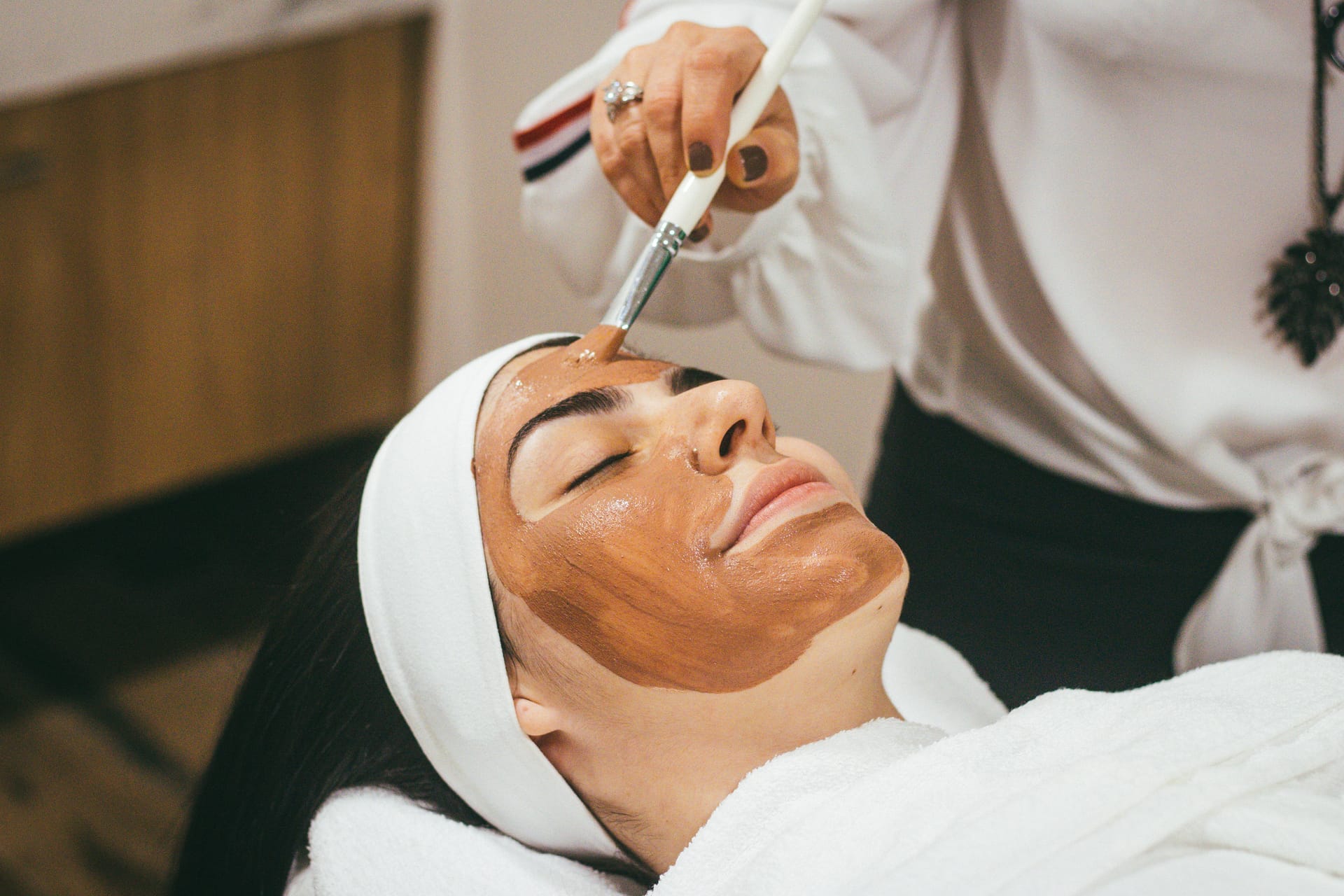
Face masks are an excellent way to deliver active ingredients to where they're needed on your face and the variety in colours/fragrances makes using one an enjoyable experience. Below are the top 5 benefits of using a face mask;
1. Deep cleansing
Face masks are fantastic for a deep cleanse of the skin. As face masks are left on longer than typical cleansers, they have time to really work into the skin and clear out those contaminants from your pores. This can prevent breakouts and acne in the future and leave you with a brighter complexion.
2. Minimise appearance of pores
By deep cleaning your skin you're effectively pushing out the contaminants and oils that can lead to blackheads and enlarged pores. Pore appearance is also minimised when they're free from blockages. Read more on how to minimise the appearance of your pores.
3. Relaxing, Therapeutic Benefits
When you're applying a face mask you're also having some 'me-time'. Applying a mask and zoning out for a while is excellent for both the skin, as well as the mind. Reducing overall stress levels is beneficial for the skin as it improves sleep quality and reduces hormone fluctuations. Perhaps consider having a bath while using a face mask for the best at-home spa experience.
4. Deliver active ingredients to where they're needed
There's a face mask for every skin goal out there, whether this is to reduce inflammation, brighten your skin tone or clear congestion. Face masks come with a variety of active ingredients which can really help you realise your skin care goals. Charcoal, turmeric, clay and mud are some common natural ingredients found in masks, as well as AHAs for the ultimate exfoliation experience.
5. Improve blood flow to the face
By massaging a mask into the face you're effectively improving blood flow to the face. This will help with absorption of any targeted treatments in the mask, as well as plump the skin and give you a more glowing, youthful appearance. Improving circulation to the face also means toxins can be carried away more effectively.
Which type of mask suits your skin?
Not all masks do the same job, and picking the wrong one is the fastest way to be disappointed. A quick guide:
- Clay and mud masks: best for oily and congested skin. They absorb excess sebum and draw out impurities. Don't let them dry to full cracking-desert stage; rinse while still slightly tacky to avoid over-drying.
- Sheet masks: best for dehydrated, dull or tired skin. They flood the skin with hydrating serum, usually hyaluronic acid or glycerin based, and make a great pre-event pick-me-up.
- Exfoliating (AHA/BHA) masks: best for rough texture and dullness. Treat these like the actives they are: once a week at most, and not on the same day as retinol or other acids.
- Cream and overnight masks: best for dry or mature skin. Essentially supercharged moisturisers that work while you sleep.
If you're not sure which camp your skin falls into, take our 60-second skin type quiz first; it'll save you money on masks that were never going to suit you.
Things to consider
We recommend using a face mask a maximum of twice a week for optimal results. Any more than this and you could be stripping the face of essential oils and damaging the natural lipid barrier. If that barrier is already feeling tight or irritated, hold off on clay and exfoliating masks entirely and read our skin barrier repair guide first.
Be careful with face masks that include charcoal and high levels of denatured alcohol, as these can be excessively drying and irritating to the skin, and always patch test a new mask before using it on your whole face.