
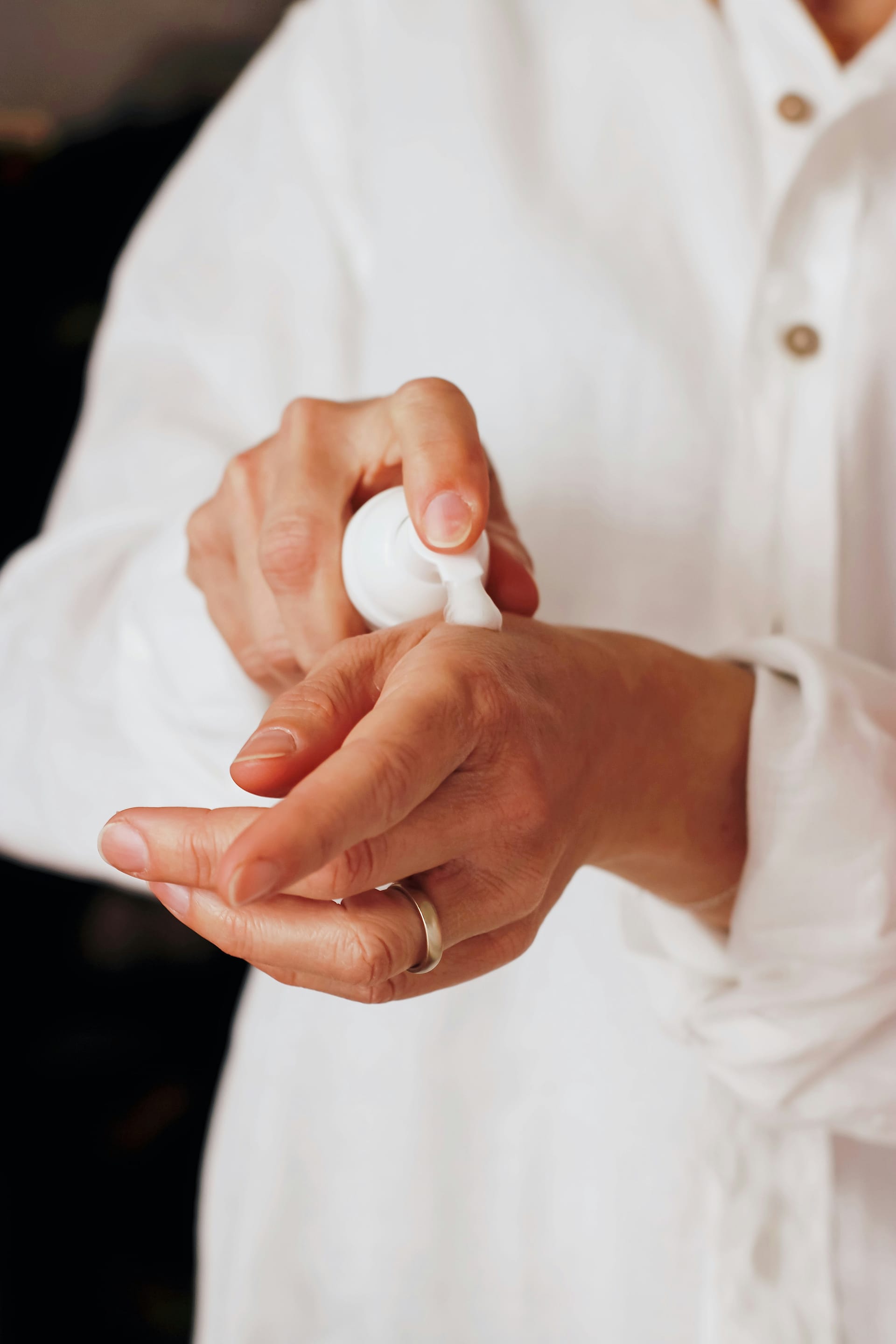
If your skin feels tight after cleansing, flakes under makeup, or stings when you apply actives, you need more than "any moisturiser". Dry skin needs ceramides and fatty acids to rebuild the barrier, humectants like glycerin to pull in water, and something occlusive on top to stop that water escaping.
This is a product shortlist for dry skin (oil-poor), not an oily-skin gel guide and not a full barrier-repair protocol (that lives here). Every pick below supports the barrier; most are fragrance-free or close to it; there are options at every price. Still choosing between dry and dehydrated? Start with dry vs dehydrated skin. Ingredient logic: best ingredients for dry skin.
Quick picks
- Best overall: CeraVe Moisturising Cream
- Best for very dry or flaky skin: La Roche-Posay Cicaplast Baume B5+
- Best lightweight day cream: Kiehl's Ultra Facial Cream
- Best for sensitive skin: Vanicream Moisturizing Cream
- Best for barrier repair: Dr. Jart+ Ceramidin Cream
- Best soothing option: Aveeno Calm + Restore Oat Gel Moisturiser
- Best gel for dehydrated skin: Neutrogena Hydro Boost Gel-Cream
- Best for rough, dry patches: Eucerin UreaRepair Plus
- Best overnight balm: Bioderma Atoderm Intensive Baume
- Best premium pick: Paula's Choice Omega+ Complex Moisturizer
All links go to the brands. No affiliate parameters, no sponsored placements.
What dry skin needs from a moisturiser
A good dry-skin moisturiser does three jobs. Humectants (glycerin, hyaluronic acid, urea) draw water in. Emollients (squalane, shea butter, fatty acids) smooth and soften. Occlusives (petrolatum, dimethicone) sit on top and lock everything in. The best formulas combine all three.
Then the barrier side. Your barrier is held together by lipids, roughly half ceramides. When you are chronically dry, those lipids are usually depleted, so creams with ceramides plus cholesterol and fatty acids help rebuild structure rather than masking dryness for a few hours.
Dry and dehydrated are not the same. Dry skin lacks oil; dehydrated skin lacks water; you can be both. Oily but tight usually means dehydrated, and a lighter gel cream (like the Neutrogena pick) beats a heavy balm. Not sure? The skin type quiz takes about a minute.
The best moisturisers for dry skin
1. CeraVe Moisturising Cream (best overall)
If I could recommend one moisturiser for dry skin, it is this. Three ceramides (NP, AP and EOP) plus cholesterol mirror the lipids your barrier is made of; hyaluronic acid and glycerin handle hydration; slow-release MVE delivery keeps it working through the day. Fragrance-free, face and body, big tub cheaper than most branded serums.
Rich cream, low-shine finish. Go-to for anyone recovering from over-exfoliation or starting a retinoid, because it is about as unlikely to irritate as a rich cream gets. Also the moisturiser we point people to when they start tretinoin.
2. La Roche-Posay Cicaplast Baume B5+ (best for very dry or flaky skin)
What I reach for when skin is properly unhappy: flaky, wind-chapped, or raw from too many acids. Panthenol (vitamin B5) calms and supports repair, madecassoside soothes redness, shea butter gives a lightly occlusive finish without feeling like Vaseline.
Multi-purpose: face, hands, dry patches, post-procedure skin. If dryness comes with visible flaking, start here and read dry, flaky skin on the face for underlying causes.
La Roche-Posay Cicaplast Baume B5+
3. Kiehl's Ultra Facial Cream (best lightweight day cream)
Deceptively hydrating for how light it feels. Squalane and glycerin do the work; texture layers under SPF and makeup. Dry skin in the morning is a balancing act: enough moisture to stop tightness, not so much that sunscreen slides. This gets that balance right.
Full review: Kiehl's Ultra Facial Cream.
4. Vanicream Moisturizing Cream (best for sensitive skin)
Built on what it leaves out: no fragrance, dyes, lanolin or botanical extracts that set off reactive skin. What remains is a straightforward rich cream around petrolatum and dimethicone that dermatologists recommend for eczema-prone and sensitive dry skin.
Not glamorous. If every "soothing" cream has made your face sting, try this. Trickier to find in the UK, but stocked on Amazon and most big online pharmacies.
5. Dr. Jart+ Ceramidin Cream (best for barrier repair)
The Ceramidin line is built around ceramides; this cream is the strongest of the range. Ceramide complex with glycerin and panthenol: barrier lipids and hydration in one step. Rich but sinks in properly, which is not always true of barrier creams.
Point yourself here if you use tretinoin or strong acids and your moisturiser needs to actively repair. Costs more than CeraVe for a similar ingredient story; the texture is a genuine step up.
6. Aveeno Calm + Restore Oat Gel Moisturiser (best soothing option)
Oat is one of the most underrated soothing ingredients, and Aveeno uses it well. Oat extract with feverfew for redness, glycerin for hydration. Gel texture never feels heavy.
Best for dry skin that also runs red or reactive, especially if richer creams feel suffocating. Fits a sensitive skin routine.
Aveeno Calm + Restore Oat Gel Moisturiser
7. Neutrogena Hydro Boost Gel-Cream (best for dehydrated skin)
The pick for water-based dryness. Hyaluronic acid and glycerin in a cooling, fast-absorbing gel cream. Alone it is not occlusive enough for very dry winter skin, but layered under a richer cream at night, or worn alone in summer, it is excellent.
Why HA works: benefits of hyaluronic acid.
Neutrogena Hydro Boost Gel-Cream
8. Eucerin UreaRepair Plus 5% Urea (best for rough, dry patches)
Urea is brilliant and underused. It is a natural moisturising factor your skin already makes; at 5% it hydrates and gently smooths rough texture. With ceramides, this cream answers stubborn rough patches: elbows, knees, shins, and faces that get scaly in winter.
US equivalent line: Eucerin Advanced Repair.
Eucerin UreaRepair Plus 5% Urea Cream
9. Bioderma Atoderm Intensive Baume (best overnight balm)
Thick, lipid-replenishing balm for very dry to atopic skin, and my favourite for overnight use. Last step in the evening; wake up calmer and softer. More elegant take on slugging with added soothing agents.
Face and body. One of the few balms this rich that does not break me out.
Bioderma Atoderm Intensive Baume
10. Paula's Choice Omega+ Complex Moisturizer (best premium pick)
Omega fatty acids (linoleic and linolenic) are the "mortar" ingredients most moisturisers skip. This cream is built around them, with ceramides and shea butter. Mid-weight texture that plays nicely with actives.
Most expensive pick here. CeraVe covers most of the same ground for less. Extra money buys a more refined formula and texture.
Paula's Choice Omega+ Complex Moisturizer
How to choose between them
- Persistent all-over dryness: CeraVe or Dr. Jart+ Ceramidin. Ceramides first.
- Flaking, stinging or over-exfoliated skin: Cicaplast Baume B5+ while things calm, then a ceramide cream.
- Dry but hates heavy creams: Kiehl's for day, or the Aveeno gel cream.
- Oily-but-tight (dehydrated): Neutrogena Hydro Boost, possibly under a light cream at night.
- Sensitive or eczema-prone: Vanicream.
- Rough, scaly patches: Eucerin's urea formula.
- Winter survival or overnight repair: Bioderma Atoderm Baume as last step.
Seasonal dryness: winter skincare for dry, cracked skin. Budget full routine: The Ordinary regimen for dry skin.
A simple routine for dry skin
AM: gentle cleanse (or just water if very dry), hydrating serum if you use one, moisturiser, SPF 30+.
PM: gentle cleanse (Cetaphil is a solid cream option), any treatment serums, richest cream or balm last.
Two habits that beat most product swaps. Apply moisturiser to slightly damp skin; humectants work better with water available. Turn the shower temperature down; hot showers strip the lipids you are paying to replace.
What to avoid with dry skin
- Heavily fragranced creams and essential oils
- Foaming sulfate cleansers, and cleansing more than twice a day
- Daily strong acids (once or twice a week at most for most dry skin)
- Layering several new actives at once
FAQs
What is the best moisturiser for dry skin?
For most people, CeraVe Moisturising Cream: three ceramides, hyaluronic acid, fragrance-free, affordable enough to use generously. Very flaky or irritated: start with La Roche-Posay Cicaplast Baume B5+.
Is a gel cream enough for dry skin?
Mornings, often yes under SPF. At night, pair with a richer cream or balm. In winter, very dry skin usually needs rich texture morning and night.
Can I use retinoids if my skin is dry?
Yes, slowly. Two to three nights a week, buffer with moisturiser, no strong acids the same evening. A ceramide cream like CeraVe or Ceramidin makes retinoid use far more comfortable.
Do I need an occlusive like petrolatum?
If you wake up tight or flaky, a thin occlusive over night cream helps. That is slugging. Not every night, just when skin is struggling.
How long until a new moisturiser improves dry skin?
Comfort often improves immediately. Genuine barrier improvement takes two to four weeks. Still tight, red or flaky after a month? Look at the rest of the routine, or see a GP. Causes overview: skin dryness guide.
Sources
- Brand product pages for formulations and INCI lists: CeraVe, La Roche-Posay, Kiehl's, Vanicream, Dr. Jart+, Aveeno, Neutrogena, Eucerin, Bioderma, Paula's Choice.
- Peer-reviewed ingredient evidence:
- Ceramides, cholesterol and fatty acids in barrier repair: PubMed, "Stratum corneum defensive functions."
- Urea as a natural moisturising factor: PubMed, "Urea in dermatology."
- Glycerin as a humectant: PubMed, "Glycerol and the skin."
- Hyaluronic acid and skin hydration: PubMed, "Hyaluronic acid: a key molecule in skin aging."
- Dexpanthenol (panthenol) for barrier support: PubMed, "Topical use of dexpanthenol in skin disorders."