Obviously Skincare
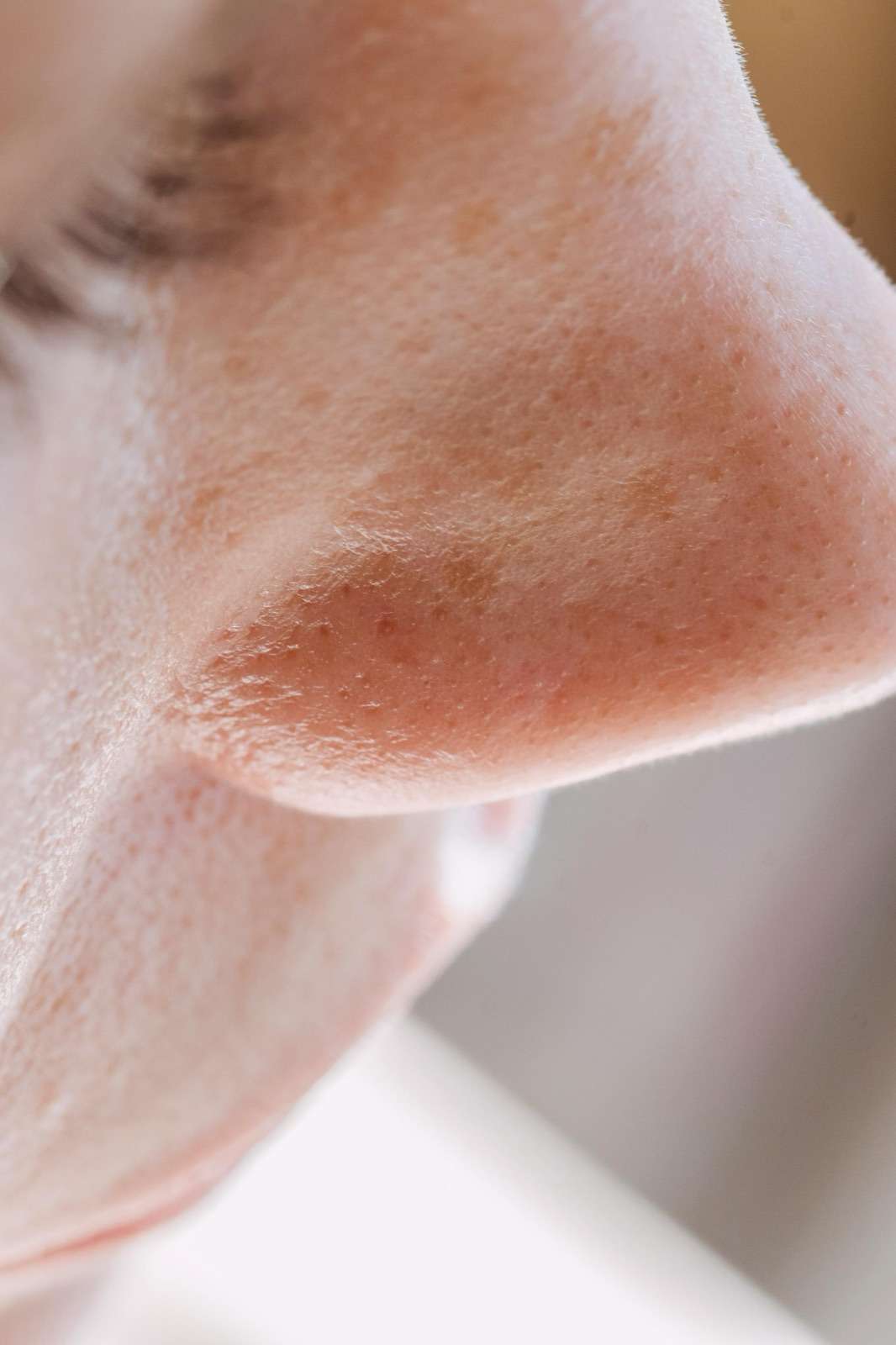
Looking for a serum that controls shine without leaving your face tight and flaky? The right leave-on regulates sebum, keeps pores clearer and still hydrates, because oily skin often runs dehydrated. This guide is about serums, not cleansers; rinse-off picks live in the best cleanser for oily skin list.
What to look for
- Niacinamide: best-evidenced everyday ingredient for oil regulation and the look of pores over time.
- Salicylic acid (BHA): oil-soluble, so it can work inside the pore where congestion starts.
- Zinc: supports oil control and calms inflammation in many formulas.
- Lightweight hydrators: hyaluronic acid or glycerin in a water-based base. Skipping hydration often backfires as skin overproduces oil.
Avoid heavy plant oils, formulas high in denatured alcohol (which over-dries and can worsen oiliness long-term), and anything not labelled non-comedogenic if you clog easily.
The best serums for oily skin
1. The Ordinary Niacinamide 10% + Zinc 1% (best overall and best budget)
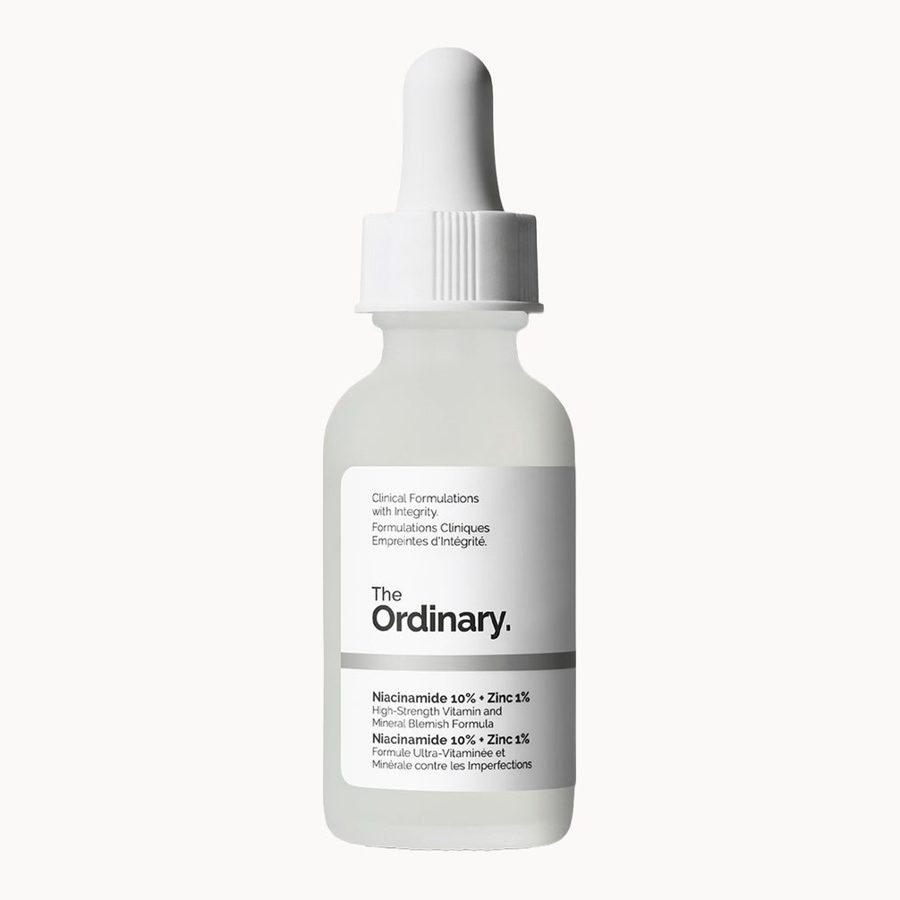
Still the first serum we recommend for oily skin. Niacinamide and zinc help regulate visible sebum, calm redness and gradually refine how pores look. It layers under moisturiser and makeup, and the price makes it an easy starting point.
Best for: all oily and combination skin, especially if you are new to serums.
Buy The Ordinary Niacinamide 10% + Zinc 1%
More on what niacinamide does and the product review.
2. La Roche-Posay Effaclar serum (best for enlarged pores)
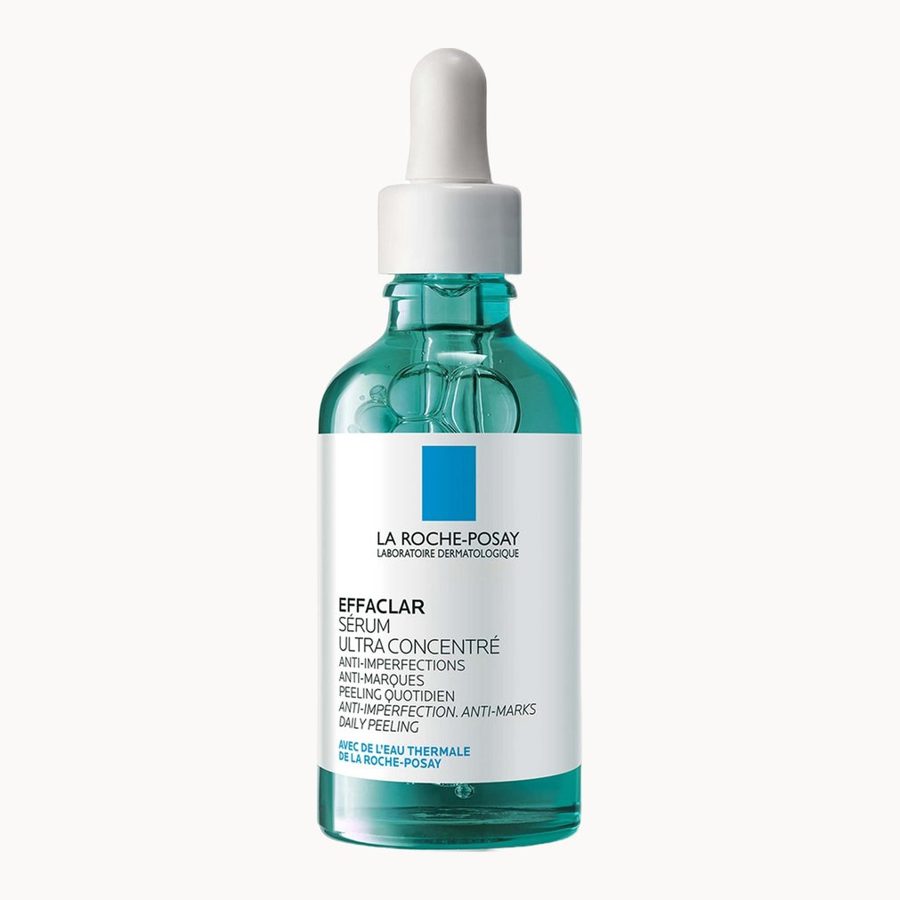
Glycolic acid helps clear surface congestion and refine texture; hyaluronic acid keeps the formula from tipping into dryness. A strong pick if enlarged pores bother you more than shine alone. Naming and stock vary by market; check the UK Effaclar range.
Best for: oily skin with visible, enlarged pores.
For a wider pore plan (not just one bottle), see how to minimise large pores.
3. Paula's Choice 2% BHA Liquid Exfoliant (best leave-on for congestion)
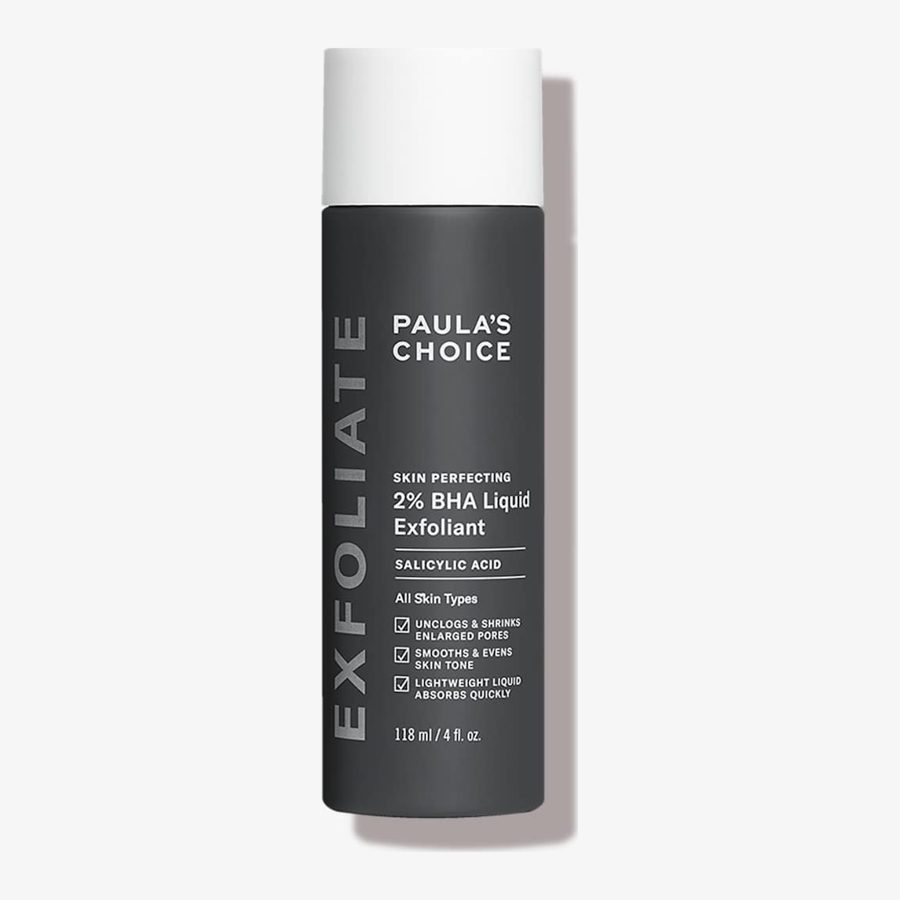
Technically a liquid exfoliant, used like a thin serum. Salicylic acid at 2% is the standard leave-on dose for blackheads and clogged pores. Start a few nights a week; do not stack with another strong acid the same evening. Context: salicylic acid guide and AHA vs BHA.
Best for: oily, congested skin that needs pore clearing more than a mattifier.
4. Dermalogica Retinol Clearing Oil (best for adult breakouts)
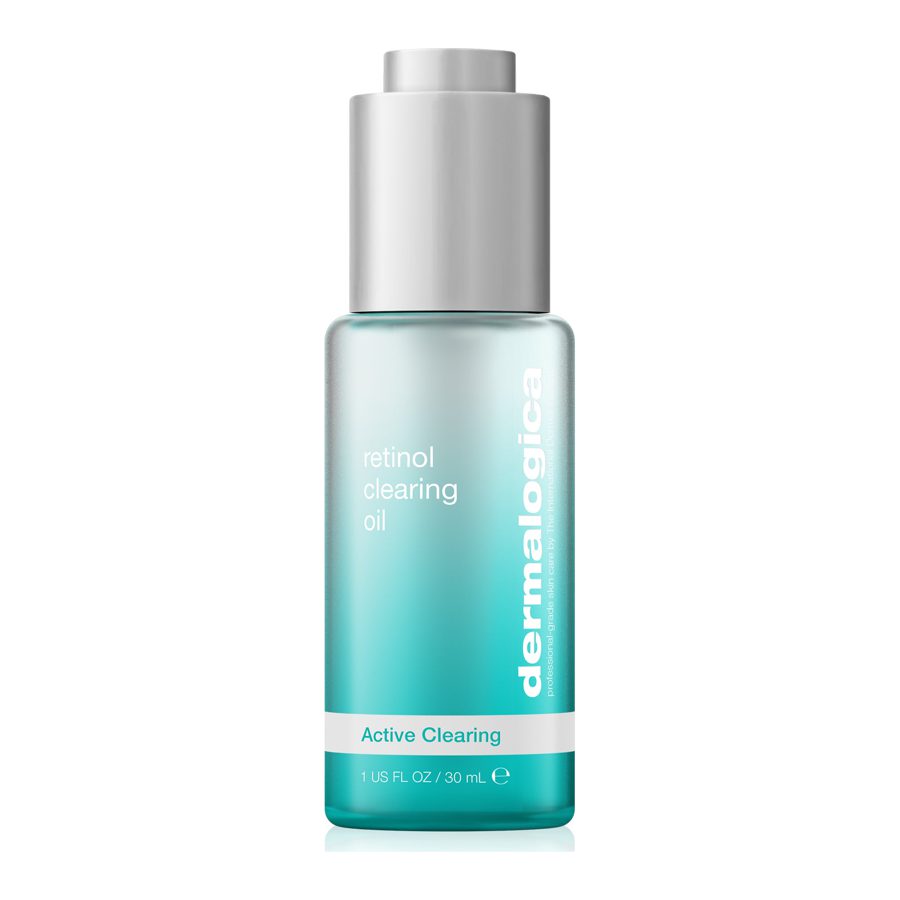
Dermalogica has discontinued the Overnight Clearing Gel that used to sit here; this is its current night-time pick for breakouts. It pairs slow-release retinol with salicylic acid in a light oil of argan, rosehip and jojoba. An oil sounds wrong for oily skin, but the texture is thin and sinks in, and the actives are the point: salicylic acid for clogged pores, retinol for breakouts, texture and marks.
Night only, a few drops, two or three nights a week to start. Do not layer it with another retinoid or a strong acid, and wear SPF the next day. It is also expensive (about £85 for 30ml); The Ordinary's niacinamide plus a 2% BHA does much of the same job for far less.
Best for: oily skin with adult or hormonal breakouts and uneven texture.
Dermalogica Retinol Clearing Oil
5. Caudalie Vinopure Skin Perfecting Serum (best for shine control)
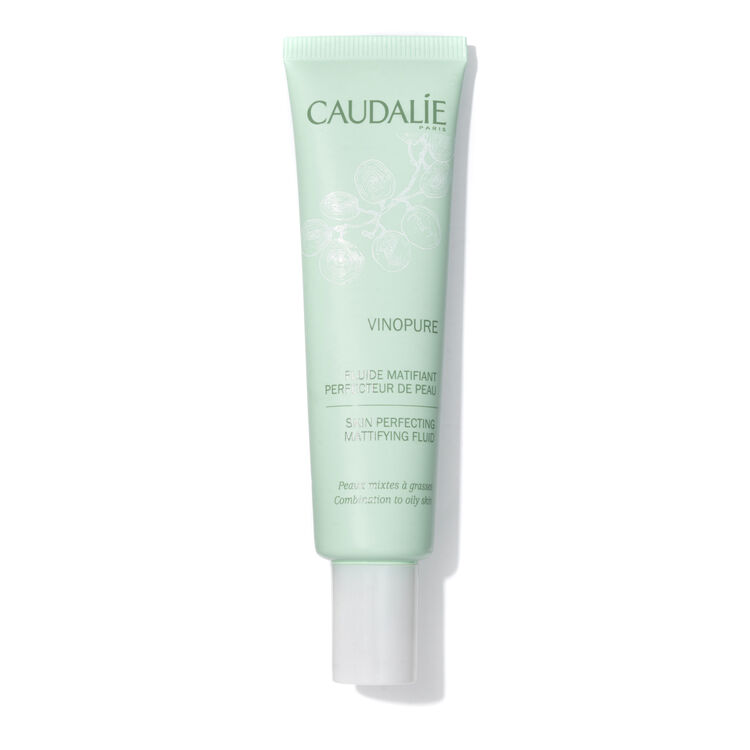
If midday shine is the main enemy, this is the UK-friendly pick. Silica mattifies on contact while salicylic acid and grape polyphenols work on congestion underneath; rose water keeps it gentle enough for many daily users.
Best for: oily skin whose main concern is shine, and anyone who prefers a natural-leaning formula.
Buy Caudalie Vinopure
How to add a serum to an oily-skin routine
- Cleanse with a gentle, non-stripping cleanser. Harsh washes make oily skin oilier. See best cleanser for oily skin.
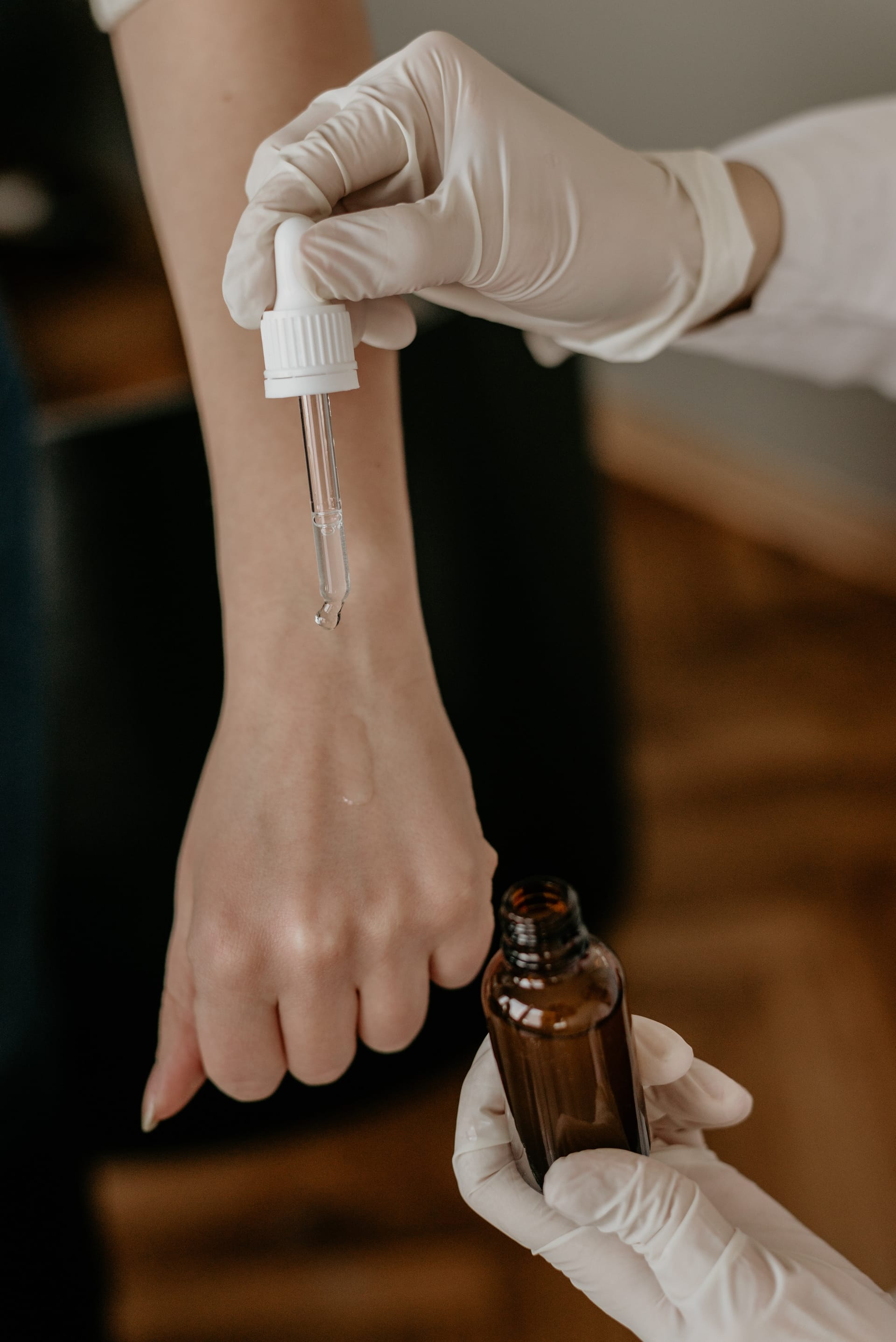
- Apply serum to clean, dry skin. Acid serums: start two to three nights a week.
- Follow with a lightweight, oil-free gel moisturiser. Do not skip it (moisturiser picks).
- AM only: finish with a non-comedogenic SPF. Essential when using acids.
Do not combine multiple acid serums in one routine. Give any new serum six to eight weeks before judging. Full schedule: best oily skin care routine.
Free toolSkincare routine builderNot sure what order to use your products in?Open the routine builder →FAQs
Which serum is best for oily skin?
Should oily skin use hyaluronic acid serum?
Can I use a serum for oily skin every day?
Niacinamide: yes, twice daily once tolerated. Exfoliating acids (glycolic, salicylic): start two to three times a week and build only if skin stays comfortable. Over-exfoliating damages the barrier and often makes oiliness worse.
Do I still need moisturiser if I use a serum?
Yes. Serums treat; moisturisers support the barrier and lock the serum in. Choose an oil-free gel and skin should not feel greasy.
References
Youn SW. The role of facial sebum secretion in acne pathogenesis: facts and controversies. Clin Dermatol. 2010;28(1):8-11. (https://pubmed.ncbi.nlm.nih.gov/20082943/)
Draelos ZD, Matsubara A, Smiles K. The effect of 2% niacinamide on facial sebum production. J Cosmet Laser Ther. 2006;8(2):96-101. (https://pubmed.ncbi.nlm.nih.gov/16766489/)
Arif T. Salicylic acid as a peeling agent: a comprehensive review. Clin Cosmet Investig Dermatol. 2015;8:455-461. (https://pmc.ncbi.nlm.nih.gov/articles/PMC4554394/)