Obviously Skincare

Dry, flaky patches on the face are common, especially in winter. Most of the time, they come down to a weakened skin barrier from weather, hot water or harsh products, and they improve within a couple of weeks with a gentler routine. Sometimes they're a sign of a skin condition, like seborrhoeic dermatitis or eczema, which needs a specific treatment.
Here's how to work out what's causing your dry skin, how to fix it, and which ingredients and products actually help.
Why skin gets dry
Your skin's outer layer holds water using two systems:
- Natural moisturising factors (NMF): a mix of amino acids, urea, lactate and salts inside skin cells that bind water.
- Barrier lipids: ceramides, cholesterol and fatty acids between the cells that stop water escaping. See ceramides.
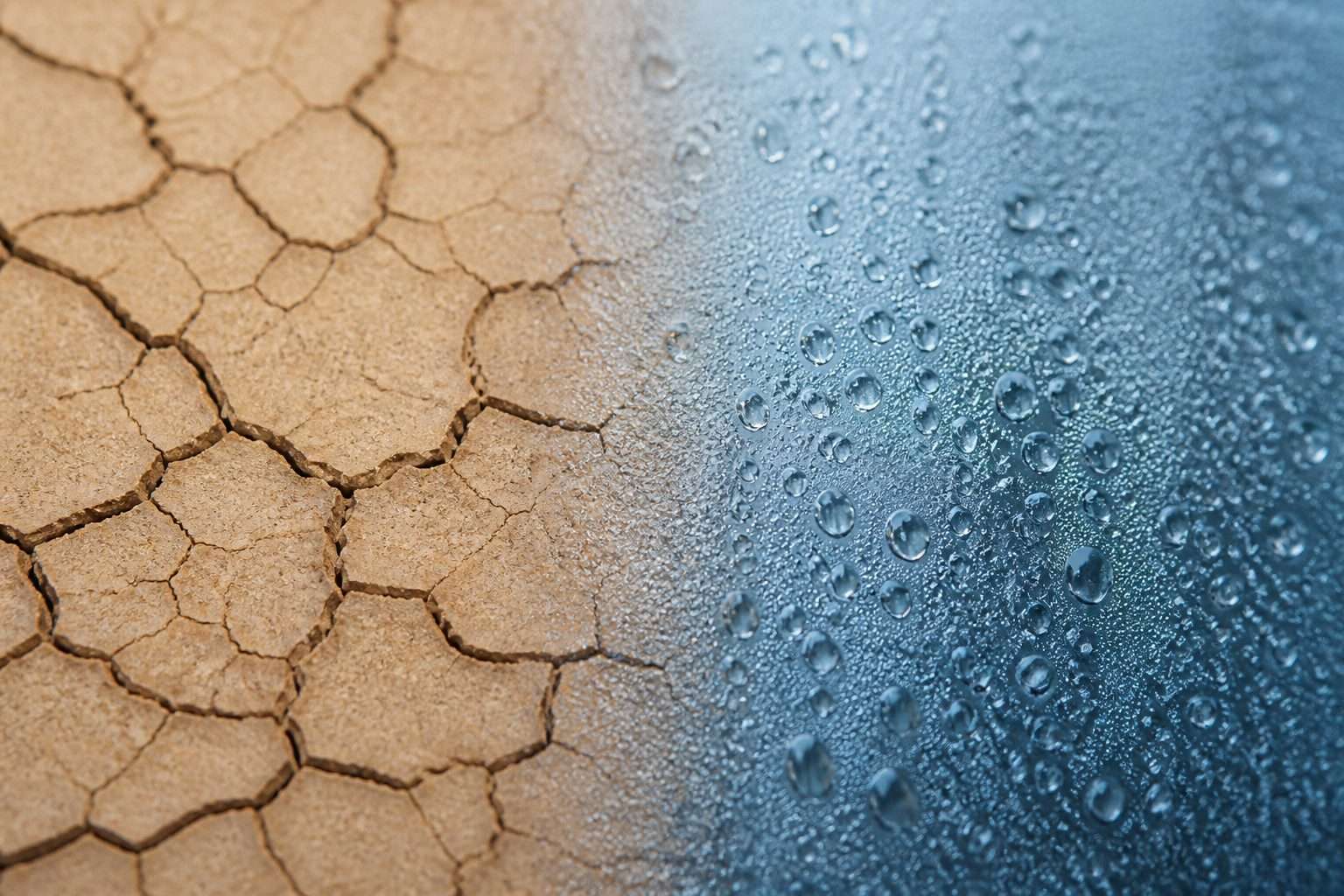
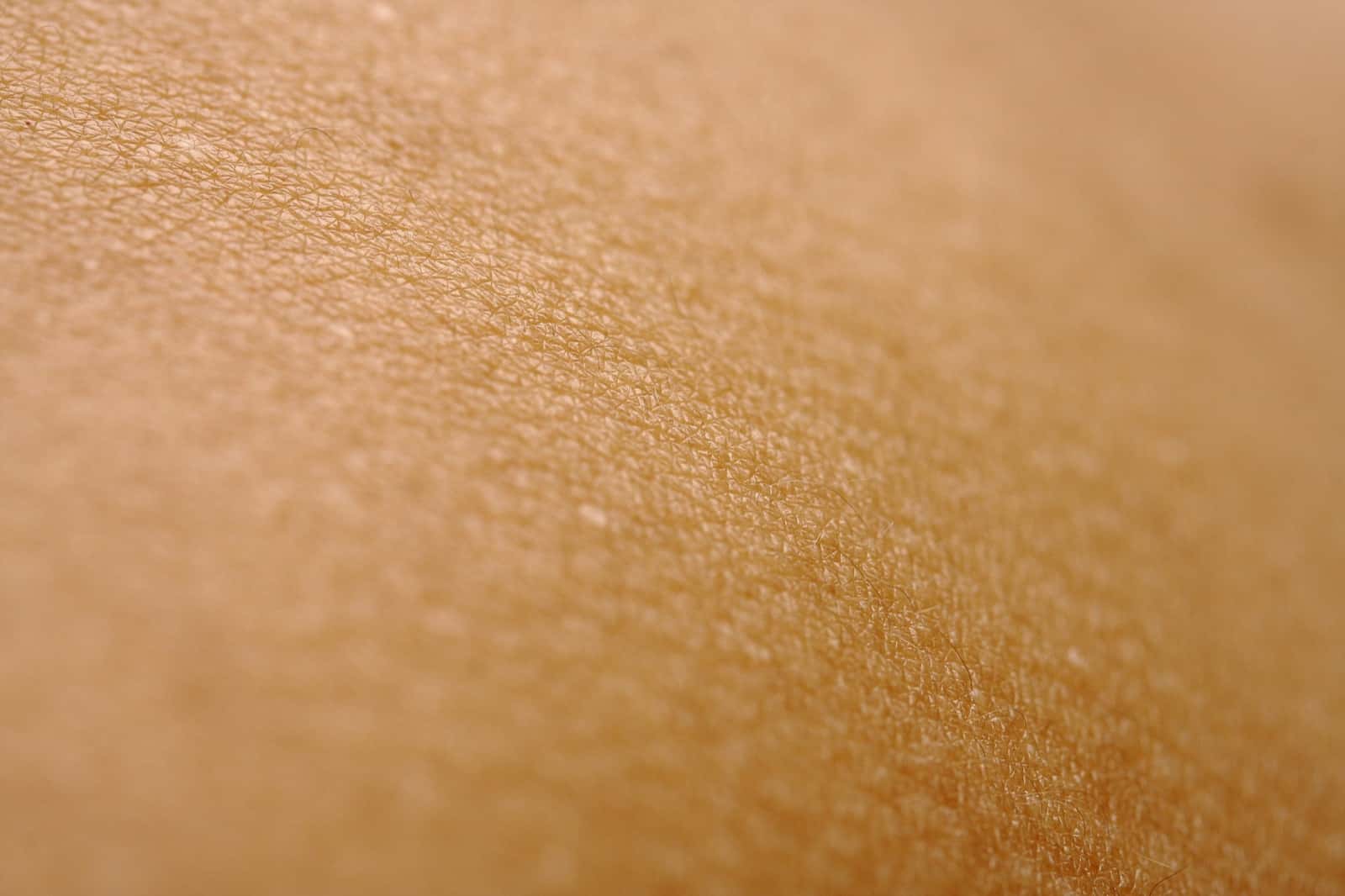
When either system is depleted, water escapes faster than it's replaced. The outer layer becomes stiff and cracks into fine flakes, and skin feels tight, rough and sometimes itchy. Dermatologists call this xerosis.
Common causes
| Cause | Why it dries skin | What to change |
|---|---|---|
| Cold weather, wind, central heating | Low humidity pulls water from skin | Richer moisturiser in winter; a humidifier |
| Hot showers and long baths | Hot water dissolves barrier lipids | Lukewarm, shorter washes. See hot vs cold showers. |
| Harsh or foaming cleansers | Strip lipids and NMF | Cream or low-foam cleanser |
| Washing too often | Repeated stripping | Water-only rinse in the morning |
| Over-exfoliating, or a retinoid started too fast | Damages the barrier | Pause, then reintroduce slowly. See over-exfoliating. |
| Drying alcohol or fragrance | Can strip or irritate | Fragrance-free products. See alcohol in skincare. |
| Age | Fewer barrier lipids; in women, less oil after menopause | Richer creams, gentler cleansing |
| Medicines | Isotretinoin, some acne, blood pressure and cholesterol medicines | Ask your pharmacist |
| Health conditions | Underactive thyroid, diabetes, kidney disease | See a GP if dryness is new and widespread |
Conditions that cause flaky skin
Not every flaky patch is simple dryness.
| Condition | Looks like | Where | Typical treatment |
|---|---|---|---|
| Seborrhoeic dermatitis | Greasy, yellowish flakes and redness | Sides of the nose, eyebrows, hairline, beard | Antifungal creams and shampoos. See seborrhoeic dermatitis on the face. |
| Eczema | Dry, itchy, red patches | Around the eyes and mouth, neck, folds | Emollients; steroid creams from a GP. See eczema on the face. |
| Contact dermatitis | Itchy rash where a product touched | Anywhere | Stop the trigger; patch testing |
| Psoriasis | Thick, well-defined, silvery scaly patches | Hairline, ears, elbows, knees | Prescription treatments |
| Perioral dermatitis | Small bumps and flaking around the mouth, nose and eyes | Around the mouth and nose | Stop heavy creams and steroids. See perioral dermatitis skincare. |
If your flaky patches are itchy, red, keep coming back, or don't improve after two weeks of gentle care, see a GP or pharmacist. Many of these respond well to specific treatment.
How to fix dry, flaky skin
- Switch to a gentle, low-foaming cleanser and lukewarm water. In the morning, rinsing with water may be enough.
- Stop exfoliants and retinoids until your skin settles.
- Apply a moisturiser with humectants and lipids to slightly damp skin, twice a day.
- Add a hydrating serum under moisturiser if your skin feels tight. See hyaluronic acid.
- Seal it in at night with a balm or a thin layer of petroleum jelly over dry patches. See slugging.
- Don't scrub off flakes. Let moisturiser soften them. Once your skin is calm, a gentle exfoliant once a week can help.
- Wear SPF daily. Damaged skin is more sensitive to the sun.
Most people see a difference within one to two weeks.
Related guideDry, Flaky or Red Skin Around the Nose: Causes and FixesDry, peeling or red skin in the creases of the nose is usually simple dryness, seborrhoeic dermatitis, or irritation from skincare.Read the guide →Ingredients that help dry skin
A German expert position paper on dry skin recommends products that contain both water-binding and lipid-replenishing ingredients, and the drier the skin, the more lipid-rich the product should be.
| Ingredient type | Examples | What it does |
|---|---|---|
| Humectants | Glycerin, urea, hyaluronic acid, lactic acid, panthenol | Draw water into the skin |
| Barrier lipids | Ceramides, cholesterol, fatty acids, squalane | Rebuild the "mortar" between cells |
| Occlusives | Petrolatum, dimethicone, shea butter, lanolin | Slow water loss |
| Soothing | Oat (colloidal oatmeal), niacinamide, allantoin | Calm itch and redness |
Urea is worth a special mention. At low strengths (5 to 10%) it hydrates; at higher strengths it also softens rough, thick skin. In a randomised trial in people with eczema, a 5% urea barrier cream kept skin eczema-free significantly longer than a standard cream, cutting the risk of relapse by 37%. See the best ingredients for dry skin.
What to avoid on dry skin: fragrance, high-alcohol toners, foaming cleansers with harsh surfactants, frequent acid exfoliants, and scrubs.
Choosing a moisturiser for dry skin
| Skin | Texture | Look for |
|---|---|---|
| Slightly dry | Lotion | Glycerin, ceramides |
| Dry | Cream | Ceramides, shea, squalane, urea 5% |
| Very dry or flaky | Rich cream or balm | Petrolatum, urea, ceramides |
| Dry and acne-prone | Light cream | Ceramides, glycerin, non-comedogenic |
| Dry and sensitive | Fragrance-free cream | Ceramides, oat, panthenol |
See the best moisturisers for dry skin. Check any product's ingredients with our ingredients list checker.
Dry or dehydrated?
These get confused, and they need slightly different fixes.
| Dry skin | Dehydrated skin | |
|---|---|---|
| What's missing | Oil and lipids | Water |
| Type or condition? | A skin type | A temporary condition |
| Can it be oily too? | No | Yes |
| Feels | Rough, flaky, tight all the time | Tight, dull, fine lines, sometimes shiny |
| Fix | Lipid-rich creams, occlusives | Humectants, then moisturiser; fix the cause |
Dry patches around the nose
Flaking at the sides of the nose is especially common, and often seborrhoeic dermatitis rather than simple dryness, particularly if the flakes are greasy or yellowish. See dry skin around the nose.
When to see a doctor
See a GP or pharmacist if:
- Dryness is itchy, red, cracked or bleeding.
- Patches keep coming back in the same places.
- It doesn't improve after two weeks of gentle care.
- Dryness is new, widespread and comes with tiredness, weight changes or feeling cold.
- You suspect an allergy to a product.
References
- Augustin M, Wilsmann-Theis D, Körber A, et al. Diagnosis and treatment of xerosis cutis - a position paper. J Dtsch Dermatol Ges. 2019;17 Suppl 7:3-33. (https://pubmed.ncbi.nlm.nih.gov/31738016/)
- Lodén M. Role of topical emollients and moisturizers in the treatment of dry skin barrier disorders. Am J Clin Dermatol. 2003;4(11):771-88. (https://pubmed.ncbi.nlm.nih.gov/14572299/)
- Åkerström U, Reitamo S, Langeland T, et al. Comparison of Moisturizing Creams for the Prevention of Atopic Dermatitis Relapse: A Randomized Double-blind Controlled Multicentre Clinical Trial. Acta Derm Venereol. 2015;95(5):587-92. (https://pubmed.ncbi.nlm.nih.gov/25594845/)
- Fluhr JW, Moore DJ, Lane ME, et al. Epidermal barrier function in dry, flaky and sensitive skin: A narrative review. J Eur Acad Dermatol Venereol. 2024;38(5):812-820. (https://pubmed.ncbi.nlm.nih.gov/38140732/)
FAQs
Why is the skin on my face dry and flaky?
Usually a weakened barrier from cold weather, hot water, harsh cleansers or over-exfoliating. Greasy flakes around the nose and eyebrows may be seborrhoeic dermatitis.
How do I get rid of flaky skin on my face fast?
Stop exfoliants, use a gentle cleanser and lukewarm water, and apply a rich moisturiser to damp skin twice a day, with petroleum jelly on patches at night.
Should I exfoliate flaky skin?
When should I see a doctor about dry skin?
What's the best ingredient for very dry skin?
Does drinking more water help dry skin?
Only if you're dehydrated. For most people, drinking extra water doesn't noticeably change skin dryness.