Obviously Skincare
Sore, cracked corners of the mouth are usually angular cheilitis, an inflammation of the skin where the upper and lower lips meet. It's common and usually mild, but it has several causes, and the fix depends on which one you have. A lip balm alone clears some cases and does nothing for others.
So work out the likely cause first. The table below is a cause-finder, not a diagnosis: it can't tell you what you have from a description, and a pharmacist, GP or dentist may need to look or take a swab.
What it looks like
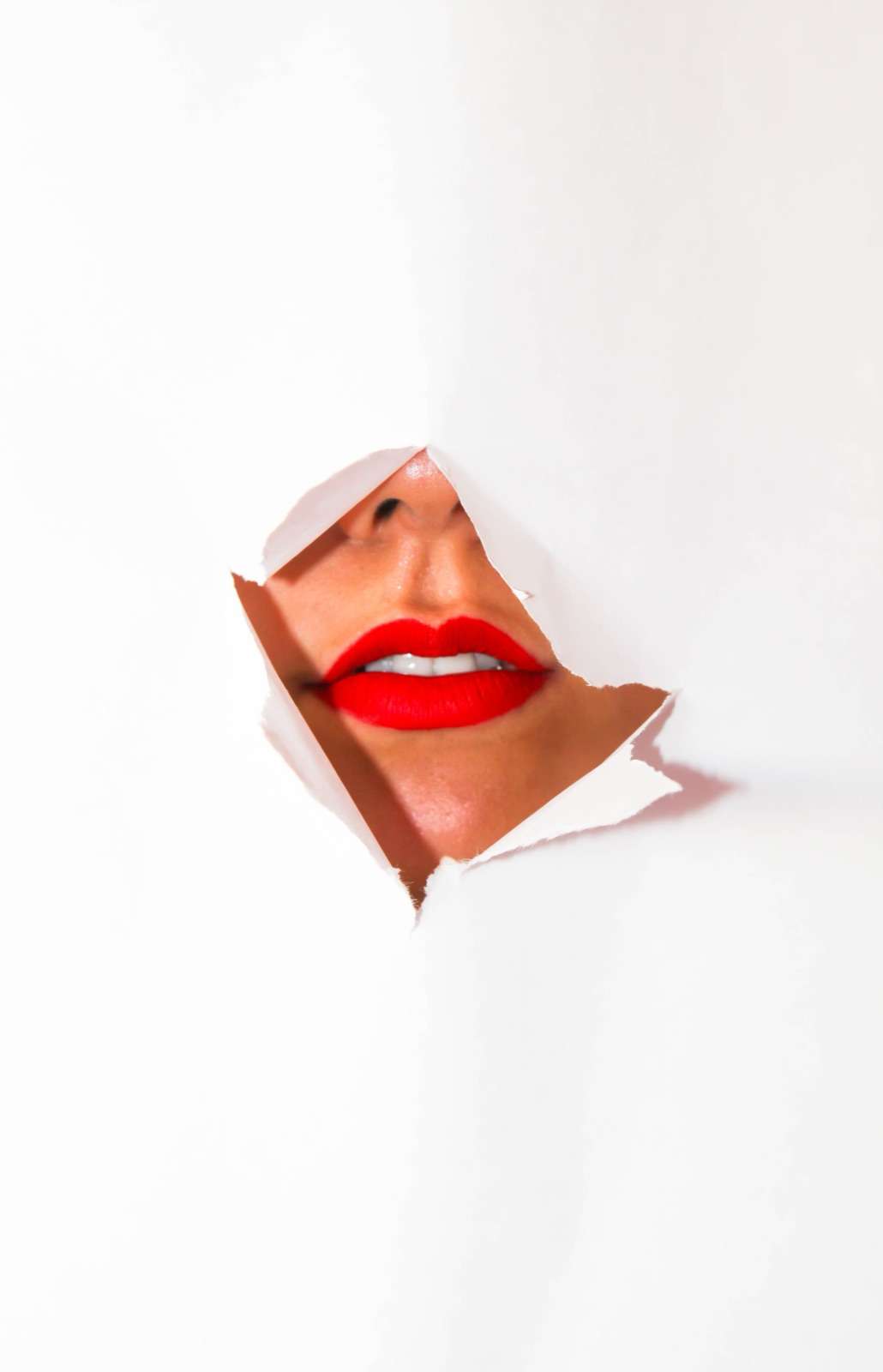
Angular cheilitis shows up as redness, splits, crusting or small sores at one or, more often, both corners of the mouth. It can sting when you open wide, eat salty or acidic food, or yawn, and it sometimes bleeds. A 2024 review describes two age peaks, one in childhood and one in adults, with the condition becoming more common with age.
If your lips are dry all over but the corners are fine, that's ordinary chapping, covered in the guide to lip balms for dry, chapped lips.
Cause-finder: cause, clue, what helps
| Likely cause | Clues | What usually helps | See a pharmacist or GP if |
|---|---|---|---|
| Saliva and lip-licking | Worse after sleep or dribbling at night; you lick or touch the corners; deep folds at the corners | Stop licking; thick ointment barrier, especially at night | It's cracked and weepy, or not settling |
| Yeast (Candida) | Wear dentures; recent antibiotics or steroids; thrush in the mouth | Antifungal cream such as miconazole; treat thrush in the mouth too | Always worth a pharmacist's view first |
| Bacteria (Staph or Strep) | Crusting or oozing; more likely if you don't wear dentures | Antibacterial cream, usually prescribed | Crusts spread beyond the corners, or it oozes |
| Dentures or a night guard | Corners sit in a fold; dentures old or loose | Take dentures out at night and clean them; get the fit checked | A dentist should check the fit |
| Low iron or B vitamins | Tiredness, breathlessness, pale skin, sore tongue | A blood test and treating the deficiency, not a cream | GP: don't self-diagnose a deficiency |
| Isotretinoin or acitretin | Started on the tablets; whole lips also very dry | Frequent ointment; tell the prescriber if it cracks badly | Your dermatology team |
| Irritant or allergic contact | Started after a new toothpaste, lipstick, balm or mouthwash; rash spreads onto the lips | Stop the suspect product; plain ointment | It keeps flaring; ask about patch testing |
Causes often overlap: saliva softens the skin, it splits, and yeast or bacteria move into the cracks. So barrier care and treating infection often go together.
Why infection matters
In a study of 40 people with angular cheilitis, swabs from the corners grew Staphylococcus aureus, Candida or Streptococci in 33 of them (82.5%). Staph was the most common finding, followed by Candida. Scottish NHS dental prescribing guidance says that in people who wear dentures the cause is usually Candida, while in people without dentures it is more likely to be bacteria.
A smaller Swedish study is one of the few that tested treatment against a cause. People were given nystatin (an antifungal) and/or fusidic acid (an antibacterial) ointment depending on what their swabs grew. In the open part of the study, 96% of 50 patients showed no sign of infection after 42 days. In eight people with Candida on both sides, the side treated with nystatin healed within 28 days while the placebo side didn't. Older age, dry skin and deep folds at the corners were linked to slower healing.
Why the evidence is thin
A 2020 review of treatments found that antifungals are most clinicians' first choice, but that only two randomised trials, both from the 1970s and 80s, support them. Most other options have been tested only in case reports or small case series. So the advice below rests mainly on clinical guidance, not large trials.
Deficiencies, drugs and allergies
The NHS lists painful open sores in the corners of the mouth among the less common symptoms of iron deficiency anaemia, along with a sore tongue. A 2018 review of cheilitis notes that lip inflammation can be part of anaemia due to B12 or iron deficiency, can be a contact reaction to an irritant or allergen, and can be caused by drugs, especially retinoids. The page on vitamins and minerals for skin covers the deficiency signs in more detail.
For isotretinoin, a systematic review of trials found that more than half of all adverse events were skin problems related to dryness, and cheilitis was among the side effects that made some people stop. If you're on it, see the page on skincare on isotretinoin.
Free toolSkin type quizNot sure what your skin type is? Take the 60-second quiz.Open the skin type quiz →How UK pharmacists and GPs treat it
The UK Primary Care Dermatology Society's guidance and the Scottish NHS dental prescribing guidance set out a similar ladder:
- Barrier first. If dribbling is part of the problem, especially at night, protect the corners with an emollient ointment.
- Miconazole cream is often preferred because it treats Candida and also has some action against the bacteria involved. The Scottish guidance says to avoid it in people taking warfarin or statins, so tell the pharmacist about every medicine you take.
- Fusidic acid cream or ointment (prescription only) is used where the infection is clearly bacterial, or where swabs show Staph.
- Miconazole with 1% hydrocortisone may be used, on a prescriber's or pharmacist's advice, if the skin is very inflamed or hasn't responded. The same warfarin and statin caution applies.
- Thrush inside the mouth should be treated too, or the corners can keep getting reinfected.
- Dentures should come out at night and be cleaned and soaked; badly fitting ones should be adjusted or replaced.
One point people miss: the NHS says not to use hydrocortisone on your face without talking to a pharmacist or doctor first, because it can damage the skin there. So don't reach for a steroid cream from the cupboard; ask the pharmacist which product fits, or whether you need a GP. Combined antifungal-and-steroid creams are for short courses only.
What a lip balm can and can't do
A plain, fragrance-free ointment or balm helps by keeping saliva off cracked skin and stopping the corners drying and splitting again. The NHS suggests balms containing petroleum jelly or beeswax for sore or dry lips, and advises against licking or picking. Apply to clean, dry corners, and more thickly at night.
What a balm can't do:
- Clear an infection. A balm alone usually won't shift yeast or bacteria.
- Fix a deficiency. If low iron or B12 is behind it, that needs treating.
- Help if the balm is the cause. Flavoured, scented or "tingling" balms can irritate. If the cracks started with a new product, stop it.
When to see a GP
See a GP, or ask a pharmacist to refer you, if:
- it doesn't improve with the treatment the pharmacist suggested, or keeps coming back
- only one side is affected and it won't heal
- crusts spread onto the lips, chin or cheeks
- your lips are hot, painful and swollen (the NHS says this could be a sign of infection)
- you also feel tired, breathless or unusually pale, have a sore tongue, or have changes in bowel habit or weight
- you have diabetes, a weakened immune system, or take steroid tablets
- a sore anywhere on the lip hasn't healed in about three weeks
The Scottish guidance notes that cases that don't respond may point to an underlying problem such as an iron or vitamin deficiency or diabetes, which is why a GP may check your blood.
Blisters that tingle before they appear are more likely a cold sore. A rash of small bumps spreading around the mouth may be perioral dermatitis, which steroid creams can make worse. Darker skin left behind at the corners is post-inflammatory pigmentation; see hyperpigmentation around the mouth.
Related guideDry, Flaky Skin on the Face: Causes and How to Fix ItWhy the skin on your face gets dry and flaky, from weather and harsh cleansers to eczema, and a step-by-step plan to fix it, plus when flaky skin needs a doctor.Read the guide →FAQs
What is the fastest way to heal cracked corners of the mouth?
Treat the cause and protect the skin: stop licking, keep the corners covered with a plain ointment, and ask a pharmacist whether an antifungal cream suits you. If it doesn't improve, a GP can swab it and target the treatment.
Is angular cheilitis contagious?
It isn't considered contagious in the way cold sores are. The yeast and bacteria involved are ones many people already carry. Don't share lip balms, though, which the NHS also advises against.
What deficiency causes cracked corners of the mouth?
Low iron is the best-known one, and low B12 and other B vitamins are also linked. But saliva, lip-licking and infection are more common causes. A blood test is the only way to know, so see a GP rather than guessing with supplements.
Can I use Vaseline on angular cheilitis?
A petroleum-jelly balm is a sensible barrier, and the NHS suggests petroleum jelly or beeswax balms for sore lips. It won't treat an infection, so if the cracks persist, see a pharmacist.
Why does it keep coming back?
Common reasons are deep folds at the corners, ill-fitting dentures, thrush in the mouth that hasn't been treated, ongoing lip-licking, or an underlying deficiency or condition such as diabetes. Recurring cases are worth a GP visit.
References
Oza N, Doshi JJ. Angular cheilitis: A clinical and microbial study. Indian J Dent Res. 2017. PMID: 29256466. https://pubmed.ncbi.nlm.nih.gov/29256466/
Ohman SC, Jontell M. Treatment of angular cheilitis. The significance of microbial analysis, antimicrobial treatment, and interfering factors. Acta Odontol Scand. 1988. PMID: 3063051. https://pubmed.ncbi.nlm.nih.gov/3063051/
Cabras M, Gambino A, Broccoletti R, et al. Treatment of angular cheilitis: A narrative review and authors' clinical experience. Oral Dis. 2020. PMID: 31464357. https://pubmed.ncbi.nlm.nih.gov/31464357/
Chiriac A, Chiriac AE, Pinteala T, et al. Angular cheilitis-an oral disease with many facets. Wien Med Wochenschr. 2024. PMID: 38517608. https://pubmed.ncbi.nlm.nih.gov/38517608/
Lugović-Mihić L, Pilipović K, Crnarić I, et al. Differential Diagnosis of Cheilitis - How to Classify Cheilitis? Acta Clin Croat. 2018. PMID: 30431729. https://pubmed.ncbi.nlm.nih.gov/30431729/
Vallerand IA, Lewinson RT, Farris MS, et al. Efficacy and adverse events of oral isotretinoin for acne: a systematic review. Br J Dermatol. 2018. PMID: 28542914. https://pubmed.ncbi.nlm.nih.gov/28542914/
Primary Care Dermatology Society. Angular cheilitis (syn. angular stomatitis). https://www.pcds.org.uk/clinical-guidance/angular-chelitis
Scottish Dental Clinical Effectiveness Programme (NHS Scotland). Drug Prescribing for Dentistry: angular cheilitis. https://sdcepdentalprescribing.nhs.scot/guidance/fungal-infections/angular-cheilitis/
NHS. Sore or dry lips. https://www.nhs.uk/conditions/sore-or-dry-lips/
NHS. Iron deficiency anaemia. https://www.nhs.uk/conditions/iron-deficiency-anaemia/
NHS. Common questions about hydrocortisone for skin. https://www.nhs.uk/medicines/hydrocortisone-for-skin/common-questions-about-hydrocortisone-for-skin/
DermNet. Angular cheilitis. https://dermnetnz.org/topics/angular-cheilitis