
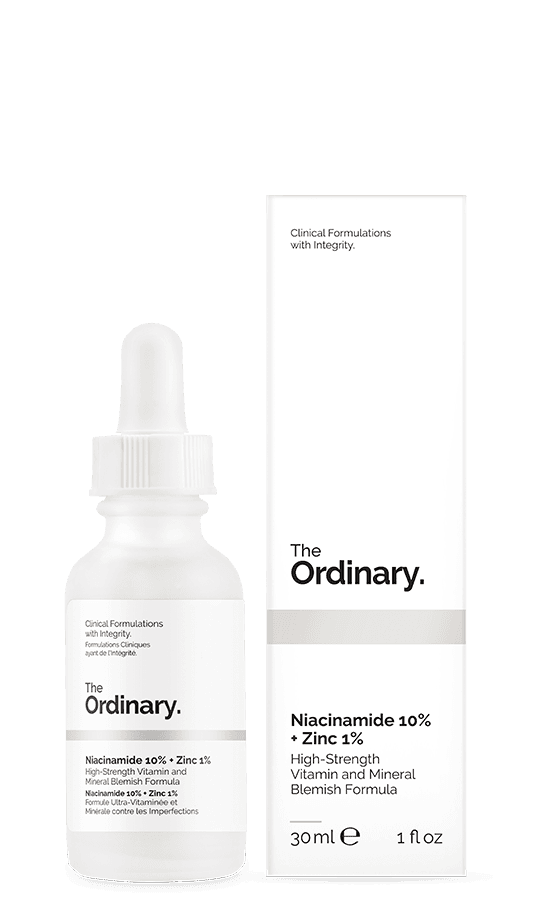
Niacinamide, also known as nicotinamide, is a derivative of vitamin B3 and one of the best all-rounders in skincare. Used consistently, it helps regulate sebum production, visibly reduce pore size, fade blemish marks and improve overall skin texture, all with a very low risk of irritation. That combination is why it's turned up in thousands of formulations, from budget serums to luxury creams. If you want the full background first, read what niacinamide is and how it battles blemishes.
The good news: because it's so well tolerated, adding niacinamide to your routine is genuinely easy. Here's exactly where it goes.
Where niacinamide fits in your routine
Serum (the most common form): apply niacinamide serum right after cleansing and toning. These serums are almost always water-based, so they go on before moisturiser and before any thicker, oil-based serums. Thinnest to thickest, always. Apply it across the whole face, paying attention to areas with high sebum activity like the T-zone, then give it thirty seconds or so to absorb before the next step.
Moisturiser: plenty of pore-refining and anti-aging moisturisers now include niacinamide. These go toward the end of your routine, after cleansing, toning and serums, but before sunscreen and makeup. This is the easiest way to add niacinamide if you don't want an extra step.
Cleanser: some cleansers include it too, but contact time is so short that it's a bonus rather than a treatment. Don't rely on a wash-off product for niacinamide's benefits.
Morning or night?
Either, or both. Niacinamide is stable in sunlight and doesn't increase sun sensitivity, so unlike retinoids or strong acids there's no wrong time of day. A common approach is niacinamide serum in the morning (it sits well under SPF and makeup and helps control midday shine) and stronger actives like retinol at night. If you're wondering how to layer everything correctly, this guide covers the full order.
What niacinamide layers well with
This is where niacinamide really shines: it plays nicely with almost everything.
- Hyaluronic acid: a perfect pairing. Hydration plus oil control, with zero conflict.
- Retinol: niacinamide actually helps offset retinoid dryness and irritation, making it a great companion for retinol nights.
- Salicylic acid: a strong combination for oily and congested skin; the BHA clears the pores while niacinamide regulates the oil that clogs them.
- Zinc: frequently combined in one formula (The Ordinary's 10% + 1% being the famous example) for extra blemish control.
What about vitamin C?
You may have read that niacinamide and vitamin C cancel each other out. The concern comes from old studies using unstabilised ingredients at high heat, and with modern formulas the interaction is largely a myth. That said, if you have sensitive skin, using them at the same moment can occasionally cause temporary flushing. The simple fix: vitamin C in the morning, niacinamide at night, or just leave a few minutes between layers.
Common mistakes to avoid
- Going too strong too fast. 10% is the popular strength, but 4-5% formulas deliver most of the benefits with even less irritation risk. More is not better with niacinamide; studies show diminishing returns above 10%, and very high concentrations can cause redness.
- Expecting overnight results. Pore and texture improvements typically show after 4 to 8 weeks of consistent use. Give it time.
- Treating it as an acne cure. Niacinamide supports blemish-prone skin, but it's not a treatment for ongoing acne. If you're dealing with persistent breakouts, consult a dermatologist or GP.
Niacinamide is about as low-effort as effective skincare gets: one pump after cleansing, morning or night, and let consistency do the work.