
The Ordinary has an excellent range of products for tackling stubborn acne and blemishes, and because everything is sold as a single ingredient, you can build a genuinely effective routine for under £40 total. The catch is that single-ingredient shopping makes it easy to buy five actives that fight each other. This guide puts together a complete acne regimen using only The Ordinary products, in the right order, on the right schedule.
What causes oily skin and acne?
Acne forms when pores become clogged. The primary culprit is excess sebum, the waxy secretion your sebaceous glands produce to hydrate and protect the skin. When there's too much of it, sebum mixes with dead skin cells and blocks the pore; add bacteria and inflammation, and you get whiteheads, blackheads and angry red breakouts.
An effective routine therefore attacks the problem from three angles: regulate the oil, keep the pores clear, and calm the inflammation, all without stripping the skin. That last part matters more than people think, because a stripped, dehydrated face produces more oil in response, not less.
The Ordinary regimen for acne
Morning routine
-
Squalane Cleanser: a gentle, non-stripping cleanse to remove overnight oil without triggering rebound sebum production. Gentle is the point; if your skin feels squeaky or tight after cleansing, the cleanser is working against you.
-
Niacinamide 10% + Zinc 1%: the backbone of the routine. Niacinamide regulates sebum production and fades post-blemish marks, while zinc calms inflammation. Apply a few drops to the whole face. We've reviewed this serum in full here; it's the single best first bottle for oily, blemish-prone skin.
-
Natural Moisturizing Factors + HA: yes, oily skin still needs moisturiser. NMF locks hydration in and keeps the barrier intact so your actives don't leave you red and flaky.
-
SPF (from any brand): non-negotiable. Acne treatments increase sun sensitivity, and unprotected sun exposure darkens acne marks so they take months longer to fade. This is the step that protects all the others.
Night routine
-
Squalane Cleanser: the same gentle cleanse. If you wear makeup or SPF (you should be wearing SPF), massage the cleanser in thoroughly; its balm texture dissolves both without needing a harsh second cleanse.
-
Your treatment step, alternating by night:
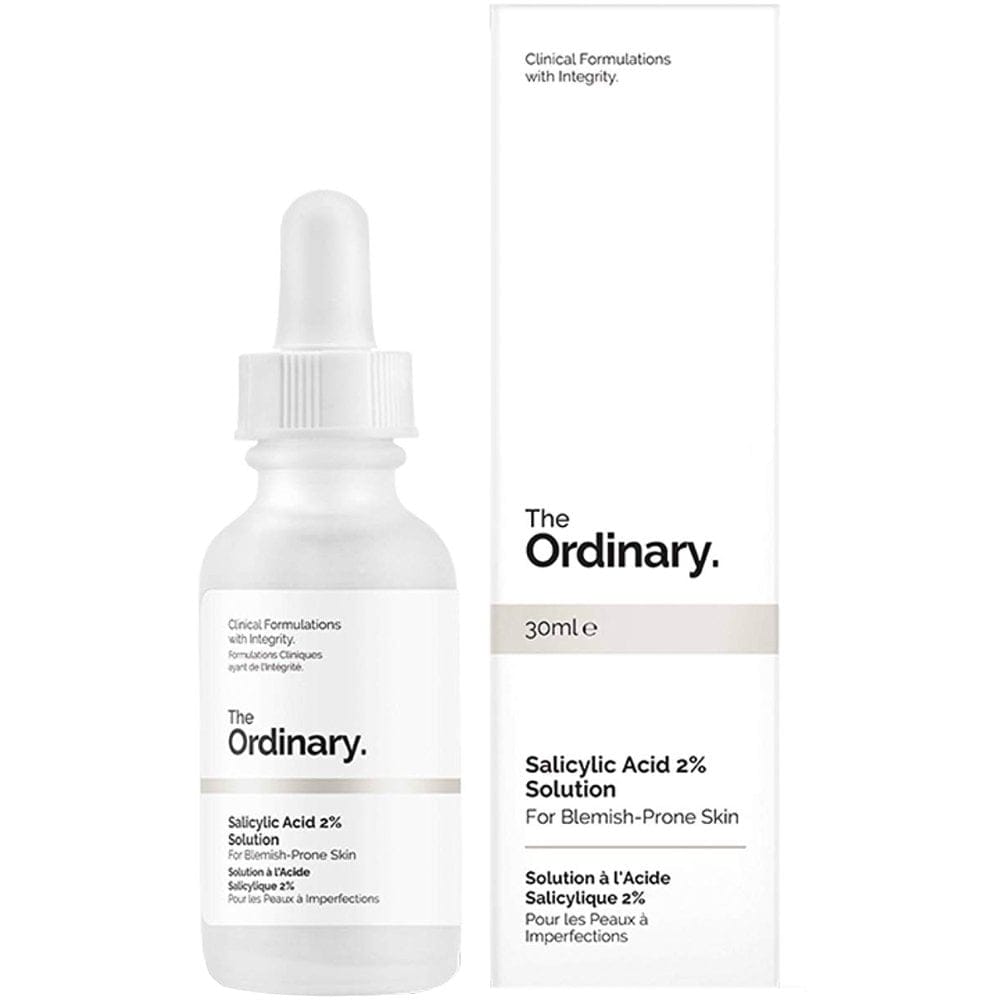
- Exfoliation nights (2-3 per week): Salicylic Acid 2% Solution. Salicylic acid is a BHA that exfoliates inside the pore walls, dissolving the debris that causes breakouts, with anti-inflammatory properties on top. Our full review is here.
- Retinoid nights (start with 1-2 per week): Retinol 0.2% in Squalane to begin with, working up to higher strengths over a few months. Retinol boosts cell turnover so pores don't clog in the first place, and helps with acne scarring and marks. Don't start at 1%; the irritation isn't worth it. Here's our full retinol guide.
- Rest nights: skip the actives entirely. Your skin does its repair work on these nights, and they're what make the treatment nights sustainable.
-
Hyaluronic Acid 2% + B5 (with ceramides): a hydration layer that offsets the dryness from acids and retinol, with ceramides to reinforce the barrier. Apply to slightly damp skin. Full review here.
-
Natural Moisturizing Factors + HA: seal everything in.
A sample weekly schedule
- Monday: salicylic acid night
- Tuesday: rest night
- Wednesday: retinol night
- Thursday: salicylic acid night
- Friday: rest night
- Saturday: retinol night (once your skin tolerates two per week)
- Sunday: rest night
The morning routine stays the same every day.
The rules that make it work
Never layer the strong actives. Salicylic acid, glycolic acid and retinol each earn their own night. Stacking them doesn't clear acne faster; it wrecks your barrier, and damaged skin breaks out more. This is the single most common mistake with The Ordinary's range.
Where's the glycolic acid? The Ordinary's popular Glycolic Acid 7% Toning Solution is a fine product, but for acne specifically, salicylic acid does the same exfoliating job inside the pore where it counts. If you also want glycolic for texture or dullness, use it in place of a salicylic night, never on the same night.
Introduce one product at a time. Start with the cleanser, moisturiser and niacinamide for two weeks, then add salicylic acid, then retinol a few weeks later. If something causes a reaction, you'll know which product it was, and patch test each new bottle first.
Expect the purge (and know when it isn't one)
When you start salicylic acid or retinol, breakouts often get worse for two to four weeks. This is the purge: increased cell turnover pushing existing congestion to the surface faster. It's normal, it's temporary, and quitting during it is the classic mistake.
The distinction that matters: a purge happens in your usual breakout zones and clears within about six weeks. If you're breaking out in brand new areas, or things are still worsening at week six, that's irritation rather than purging; drop back to fewer active nights or cut the product.
When to see a professional
This routine handles mild to moderate acne well. But cystic acne (deep, painful lumps under the skin), acne that scars, or breakouts that don't respond after three months of consistency deserve a GP or dermatologist visit. Prescription options like tretinoin work at a level over-the-counter products can't reach, and treating severe acne early is the best way to prevent permanent scarring. If scarring is already your main concern, we've covered The Ordinary's regimen for acne scars separately.
The bottom line
A complete Ordinary acne routine comes down to five bottles: Squalane Cleanser, Niacinamide 10% + Zinc 1% every morning, Salicylic Acid 2% and a low-strength retinol alternating at night, and NMF moisturiser throughout, plus SPF every morning. Introduce products gradually, never stack the actives, ride out the purge, and give it a full three months. Consistency, not intensity, is what clears skin.