Obviously Skincare
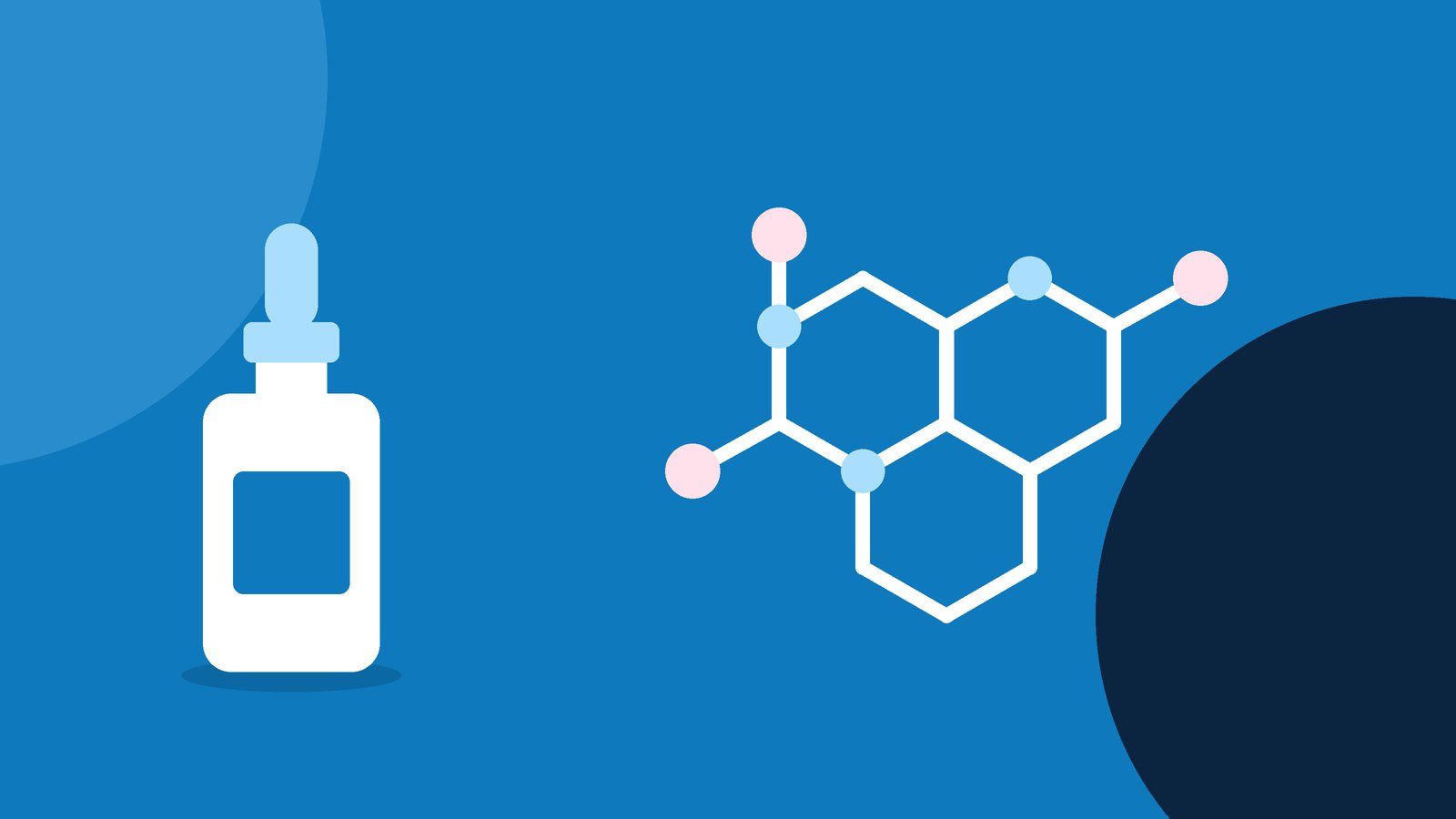
Lactic acid is an alpha hydroxy acid (AHA) that exfoliates the surface of the skin and, unusually for an acid, also helps it hold water. It's gentler than glycolic acid, which makes it the AHA to choose if your skin is dry, sensitive, or new to exfoliation.
What it is
Lactic acid occurs naturally in soured milk, which is why milk baths have a long history. The lactic acid in skincare is made by fermentation and is vegan. It's also part of your skin's own natural moisturising factor, the mix of water-binding substances in the outer layer.
What it does
Exfoliates. Like other AHAs, it loosens the bonds between dead cells at the surface so they shed evenly. Skin looks brighter and feels smoother.
Hydrates. Lactic acid is a humectant: it attracts and holds water. Most acids leave skin drier; this one offsets its own effect.
Improves texture and fine lines over time. In a three-month study, people applied 5% or 12% lactic acid twice a day. Both strengths improved skin smoothness and the look of lines and wrinkles, with changes in the outer layer of skin. Only the 12% strength also increased firmness and thickness in the deeper layer.
Fades surface marks, by speeding the shedding of pigmented cells.
Smooths rough, bumpy skin on the body. In a trial in people with keratosis pilaris, a 10% lactic acid cream used twice a day for three months reduced the bumps by an average of 66%.
Free toolSkincare ingredient checkerCheck whether two ingredients can be used together.Open the ingredient checker →Which strength?
| Strength | Suits | How often |
|---|---|---|
| 5% | Beginners; dry or sensitive skin | 2 to 3 nights a week |
| 10% | Skin used to acids; normal, combination, oily | 2 to 3 nights a week, up to every other night |
| 12% and above | Body lotions for rough skin | Daily on the body, as directed |
| 30% and above | Professional peels | Clinic use only |
Strength isn't the whole story. The pH matters too: the same percentage is stronger in a more acidic formula. Leave-on products at around pH 3.5 to 4 are typical.
How to use it
- Evening, after cleansing, on dry skin.
- Apply a thin layer to the face, avoiding the eyes and lips.
- Wait a minute, then moisturise.
- Next morning: SPF 30 or higher. AHAs make skin more sensitive to UV while you use them.
Start with one night a week for the first fortnight. If your skin is comfortable, go to two or three.
Slight tingling for a minute is normal. Stinging that continues, or redness the next day, means cut back.
Related guideGlycolic Acid vs Lactic Acid: Which AHA Should You Use?Glycolic acid penetrates faster and does more; lactic acid is gentler and hydrates.Read the guide →Who it suits
- Dry skin that wants exfoliation without more dryness
- Sensitive skin that can't take glycolic acid (try 5%)
- Dull or rough skin
- Mature skin, for texture and fine lines
- Rough bumps on arms and thighs, as a body lotion. See keratosis pilaris.
Who should choose something else
- Oily, clogged or acne-prone skin: salicylic acid works inside the pore; lactic acid mostly stays on the surface.
- Very reactive skin, rosacea or eczema: try a PHA, or no acid. See PHAs.
- A damaged barrier: wait until it has healed.
What to pair it with
- Good with: hyaluronic acid, niacinamide, ceramides, peptides, moisturisers.
- Different nights: retinoids, other AHAs and BHAs.
- Different time of day: pure vitamin C (morning), lactic acid (evening).
- Avoid combining with: scrubs, cleansing brushes, benzoyl peroxide on the same night.
Check pairs in the ingredient checker.
Side effects
- Tingling, mild redness, dryness or flaking, usually from overuse
- Increased sun sensitivity
- On deeper skin tones, irritation can lead to dark marks, so start low and slow
Signs you've overdone it: tightness, shine without oil, stinging with moisturiser. Stop for a week or two. See over-exfoliating.
Pregnancy: low-strength lactic acid is generally considered acceptable. Check with your midwife.
Lactic acid vs other acids
- vs glycolic acid: gentler, more hydrating, slightly less powerful. See glycolic acid vs lactic acid.
- vs mandelic acid: mandelic is gentler still and better for acne-prone skin. See mandelic acid.
- vs salicylic acid: salicylic is for pores and oil; lactic is for surface texture and dryness.
For AHAs as a group, see what is an AHA?
Products
The Ordinary Lactic Acid 5% + HA and 10% + HA are the standard inexpensive options. The Inkey List and many pharmacy brands sell similar serums. On the body, look for lotions listing lactic acid or ammonium lactate.
References
Smith WP. Epidermal and dermal effects of topical lactic acid. J Am Acad Dermatol. 1996;35(3 Pt 1):388-391. (https://pubmed.ncbi.nlm.nih.gov/8784274/)
Kootiratrakarn T, Kampirapap K, Chunhasewee C. Epidermal permeability barrier in the treatment of keratosis pilaris. Dermatol Res Pract. 2015;2015:205012. (https://pubmed.ncbi.nlm.nih.gov/25802513/)
Kornhauser A, Coelho SG, Hearing VJ. Applications of hydroxy acids: classification, mechanisms, and photoactivity. Clin Cosmet Investig Dermatol. 2010;3:135-142. (https://pubmed.ncbi.nlm.nih.gov/21437068/)
FAQs
What does lactic acid do for your skin?
It exfoliates the surface and helps skin hold water, leaving it smoother and brighter.
Can I use lactic acid every day?
Most faces do better with two or three nights a week. Body lotions with lactic acid can be used daily.
Is lactic acid good for sensitive skin?
At 5%, often yes. It's one of the gentler AHAs.
Can I use lactic acid with retinol?
On different nights.
Does lactic acid help with acne?
It helps with marks and texture. For clogged pores and spots, salicylic acid is the better choice.