Obviously Skincare
Dark circles are usually caused by one of three things: extra pigment in the skin, blood vessels showing through thin skin, or shadows from the shape of the under-eye area. Many people have a mix. The type you have decides what will help, which is why one person swears by an eye cream that does nothing for someone else.
The three main types
| Type | Colour | Quick test | Common in | What helps most |
|---|---|---|---|---|
| Pigmented | Brown | Stretch the skin gently: the colour stays | Medium and dark skin tones; runs in families; after eczema or rubbing | SPF, brightening ingredients, stopping rubbing |
| Vascular | Blue, purple or pinkish | Stretch the skin: the colour fades | Fair or thin skin; worse with tiredness and allergies | Sleep, treating allergies, caffeine, concealer |
| Structural (shadow) | Grey shadow | Look up at a light: the shadow lessens; tilt down: it deepens | Hollow tear troughs, puffy bags, ageing | Fillers or surgery; skincare can't fix it |
A review of under-eye dark circles noted that most people have more than one cause, so the best approach often combines treatments.
1. Pigmented (brown) circles
Extra melanin in the skin under the eyes. It's often genetic and more common in medium and dark skin tones. Sun exposure, eczema around the eyes, hay fever and constant rubbing all make it worse, because inflammation triggers more pigment.
2. Vascular (blue or purple) circles
The skin under the eyes is among the thinnest on the body, so the blood vessels beneath it show through as a bluish or purple tint. Tiredness, allergies, nasal congestion and anything that dilates vessels make it more visible.
3. Structural (shadow) circles
As we age, fat and volume under the eyes shift and the skin loosens, creating a hollow (the tear trough) or puffy bags. Light casts a shadow that looks like a dark circle. Some people are born with deep-set eyes or a pronounced tear trough.
Other things that make dark circles worse
| Factor | Why |
|---|---|
| Poor sleep | Skin looks paler and vessels more visible. In one study, sleep-deprived people were rated as looking more tired and less healthy. |
| Allergies and hay fever | Congestion pools blood under the eyes ("allergic shiners"), and itching leads to rubbing |
| Rubbing your eyes | Inflammation darkens the skin over time |
| Alcohol and salty food | Fluid retention and puffiness |
| Smoking | Damages collagen, thinning the skin |
| Sun exposure | Darkens pigment and thins skin |
| Ageing | Thinner skin, volume loss, looser skin |
| Iron deficiency | Can make skin paler, so vessels show more |
What helps each type
For pigmented circles
- Daily SPF under the eyes. Mineral sunscreens (zinc oxide, titanium dioxide) are often less irritating around the eyes. Sunglasses help too.
- Brightening ingredients in a gentle eye-area formula: vitamin C, niacinamide, azelaic acid, tranexamic acid or a gentle retinoid. See how to reduce dark spots and tranexamic acid.
- Treat eczema or allergies and stop rubbing. See why to stop touching your face.
- Professional options: some chemical peels and lasers, with care, as darker skin can react with more pigment. A systematic review of 39 studies found topical creams and peels can help pigment-type circles.
For vascular circles
- Sleep and treating allergies make the most difference.
- Caffeine eye products can briefly reduce puffiness and the bluish tone. See does caffeine help dark circles.
- A retinoid, used carefully, may slowly thicken thin skin.
- Colour-correcting concealer (peach or orange tones for blue-purple circles) is the most effective quick fix.
For structural circles
- Skincare won't fix hollowing. Fillers in the tear trough, given by an experienced practitioner, can reduce the shadow. The systematic review found fillers and fat grafting work best for volume loss.
- Puffy bags caused by fat or loose skin may need surgery (blepharoplasty).
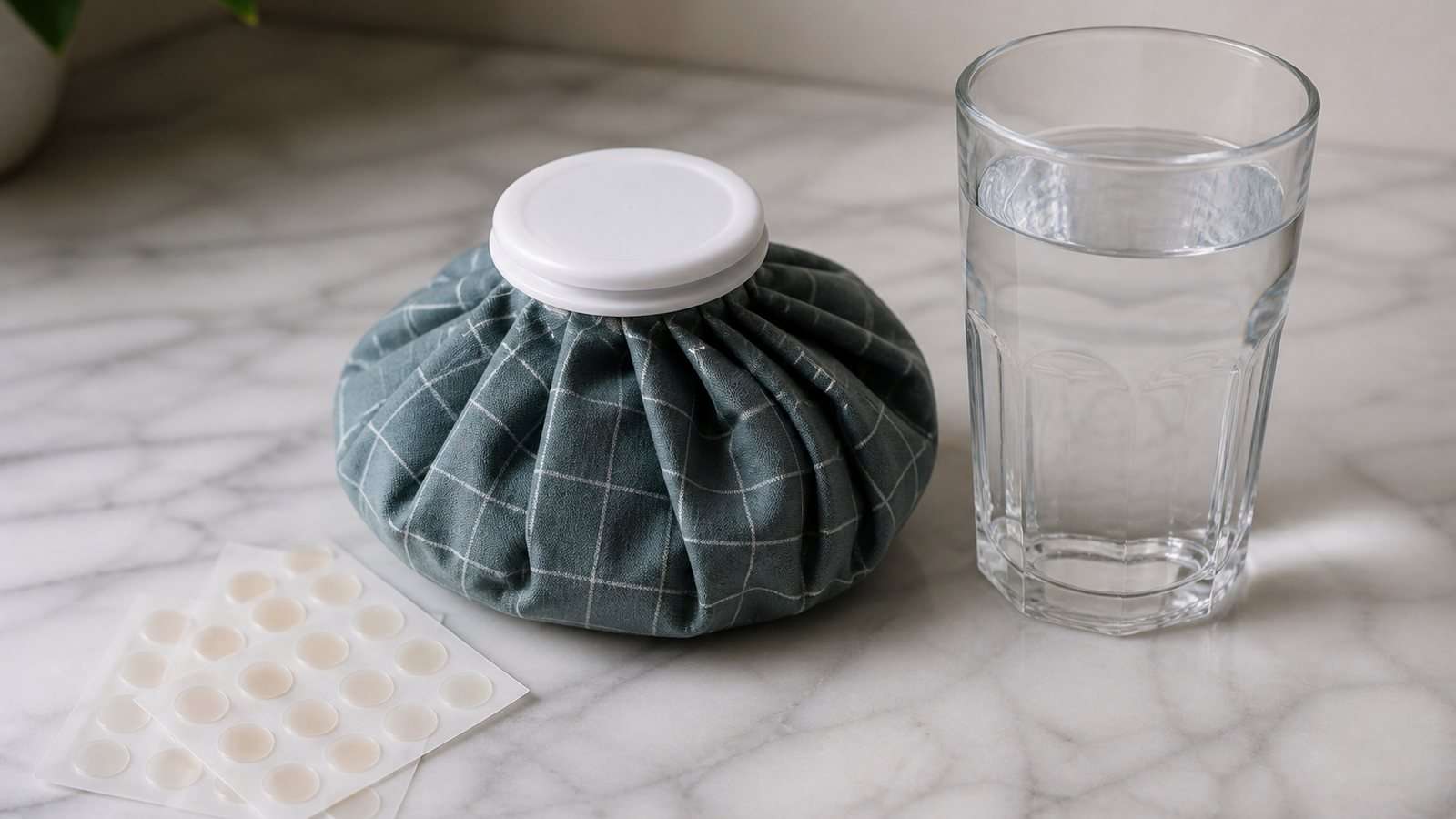
- Cold compresses reduce morning puffiness briefly.
A simple routine for dark circles
| Morning | Evening | |
|---|---|---|
| 1 | Gentle cleanser | Gentle cleanser |
| 2 | Caffeine eye serum (puffiness, vascular) or vitamin C (pigment) | Gentle retinoid eye cream, 2 to 3 nights a week, building up |
| 3 | Moisturiser | Moisturiser |
| 4 | SPF, including under the eyes | — |
| Quick fix | Peach corrector and concealer | — |
Apply eye products with your ring finger along the orbital bone, not right up to the lash line.
Related guideDoes Caffeine Help Dark Circles? What Caffeine Eye Creams Can DoCaffeine eye creams can briefly reduce puffiness and some bluish dark circles, but not pigment or hollowing. What the evidence shows and how to use them.Read the guide →What doesn't work
- Expensive eye creams with no active ingredients. A regular moisturiser does the same.
- Cucumber slices and tea bags. The cold helps puffiness for a few minutes; the cucumber and tea don't do much.
- Drinking more coffee. It won't lighten circles, and poor sleep makes them worse.
- Harsh brightening ingredients like high-strength acids near the eyes. They irritate thin skin and can make pigment worse.
Dark circles in darker skin tones
Pigmented dark circles are especially common in South Asian, Black, Middle Eastern and Mediterranean skin, and often run in families. They respond slowly. Focus on sun protection, gentle brightening ingredients and avoiding irritation and rubbing. Choose practitioners experienced with darker skin for peels or lasers, because the wrong treatment can make pigmentation worse.
When to see a GP
See a GP if dark circles appear suddenly, affect only one eye, come with swelling that doesn't go down, or come with other symptoms such as tiredness, breathlessness or weight changes. These can be signs of allergies, thyroid problems, anaemia or kidney problems.
References
- Vrcek I, Ozgur O, Nakra T. Infraorbital dark circles: a review of the pathogenesis, evaluation and treatment. J Cutan Aesthet Surg. 2016;9(2):65-72. (https://pubmed.ncbi.nlm.nih.gov/27398005/)
- Michelle L, Pouldar Foulad D, Ekelem C, et al. Treatments of Periorbital Hyperpigmentation: A Systematic Review. Dermatol Surg. 2021;47(1):70-74. (https://pubmed.ncbi.nlm.nih.gov/32740208/)
- Axelsson J, Sundelin T, Ingre M, et al. Beauty sleep: experimental study on the perceived health and attractiveness of sleep deprived people. BMJ. 2010;341:c6614. (https://pubmed.ncbi.nlm.nih.gov/21156746/)
- Herman A, Herman AP. Caffeine's mechanisms of action and its cosmetic use. Skin Pharmacol Physiol. 2013;26(1):8-14. (https://pubmed.ncbi.nlm.nih.gov/23075568/)
FAQs
What causes dark circles under the eyes?
Usually extra pigment, visible blood vessels under thin skin, or shadows from hollows or bags. Sleep, allergies, rubbing and ageing make them worse.
Can dark circles be cured?
Pigmented and vascular circles can be improved. Structural circles usually need fillers or surgery.
Does sleep get rid of dark circles?
It helps vascular circles and puffiness. It won't change genetic pigment or hollows.
What's the best eye cream for dark circles?
It depends on the type: caffeine for puffiness and blue circles, vitamin C, niacinamide or a gentle retinoid for brown circles.
Why do I have dark circles even when I sleep well?
Genetics, pigment, thin skin, allergies and the shape of your under-eye area all play a part.
Do dark circles get worse with age?
Often, as skin thins and volume shifts, making vessels and shadows more visible.