Obviously Skincare
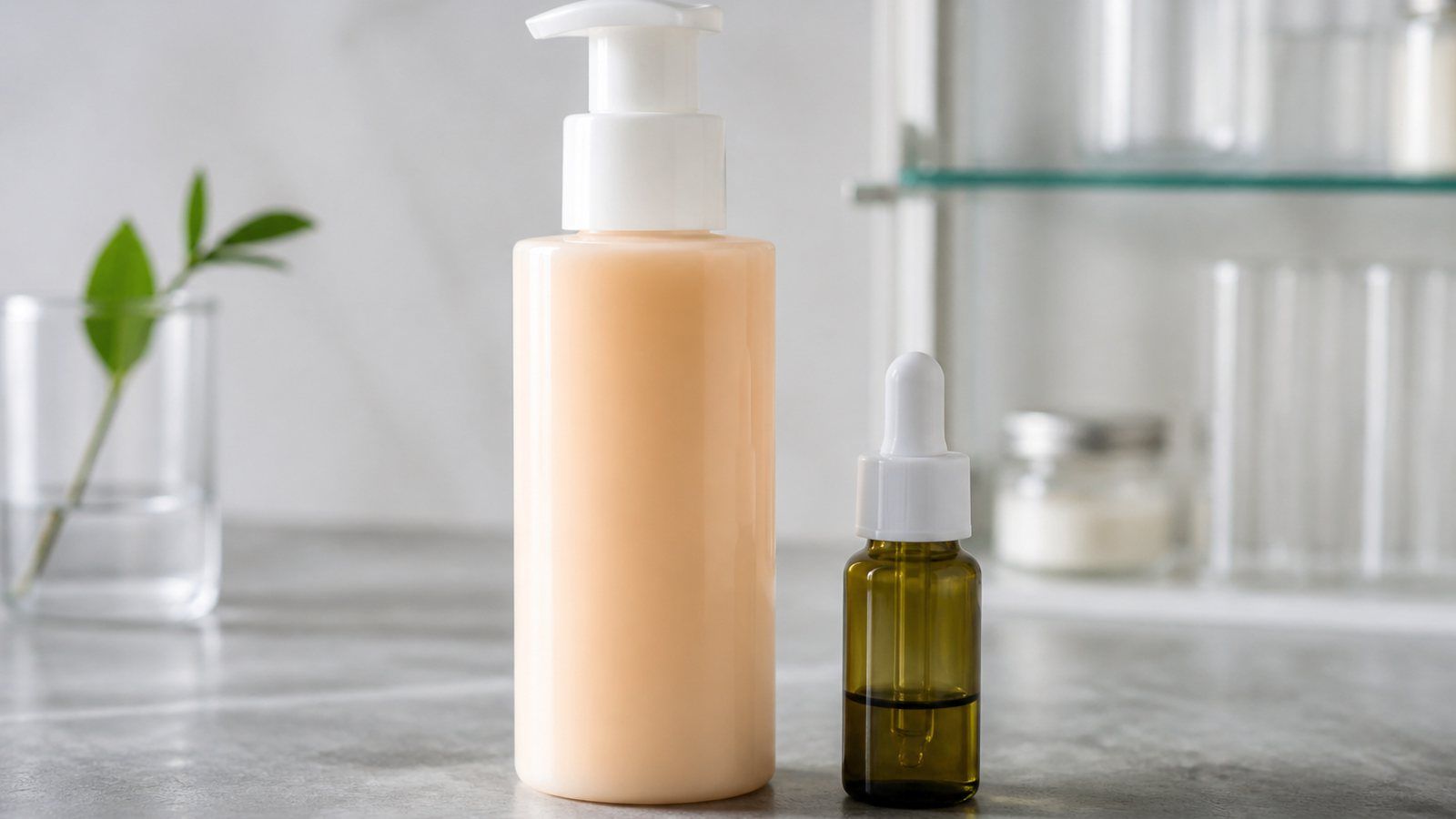
CeraVe's two main cleansers look almost identical on the shelf and do noticeably different things. The Foaming Cleanser (green label) is a gel that lathers and removes oil. The Hydrating Cleanser (blue label) is a lotion that doesn't lather and leaves moisture behind.
The quick answer: oily or combination skin, choose Foaming. Dry or sensitive skin, choose Hydrating. If your skin feels tight after washing, you need Hydrating whatever your skin type.
This comparison is based on the published formulas.
At a glance
| Foaming Cleanser | Hydrating Cleanser | |
|---|---|---|
| Made for | Normal to oily skin | Normal to dry skin |
| Texture | Clear gel | Milky lotion |
| Lather | Yes | None |
| Feel afterwards | Clean, fresh | Soft, slightly moisturised |
| Shared ingredients | Three ceramides, hyaluronic acid | Three ceramides, hyaluronic acid |
| Also contains | Niacinamide | Glycerin as a main ingredient |
| Removes oil and sweat | Very well | Adequately |
| Removes sunscreen and makeup | Better | Struggles with heavy or water-resistant products |
| Fragrance-free | Yes | Yes |
| Non-comedogenic | Yes | Yes |
What they have in common
Both contain CeraVe's three ceramides and hyaluronic acid, both are fragrance-free and soap-free, and both are designed to clean without damaging the skin's barrier. Neither contains an exfoliating acid. Both come in the same sizes, at about the same price.
Free toolSkincare ingredient checkerCheck whether two ingredients can be used together.Open the ingredient checker →How they differ
Foaming Cleanser
A gel that works into a light foam with water. The foam comes from surfactants, the cleansing agents that lift oil off the skin. CeraVe uses mild ones, so this is gentler than most foaming washes, but it still removes more oil than the Hydrating Cleanser. It also contains niacinamide.
Best for: oily skin, combination skin, acne-prone skin, humid weather, after exercise, and anyone who dislikes the feel of residue.
Not ideal for: dry or eczema-prone skin, or skin on drying treatments such as retinoids or benzoyl peroxide, if it leaves you tight.
Hydrating Cleanser
A lotion you massage on and rinse off. It has no lather at all, which some people find strange at first: it can feel as if it isn't cleaning. It is. It removes less oil by design, and leaves the skin's own lipids largely alone.
Best for: dry skin, sensitive skin, mature skin, cold weather, mornings, and anyone using retinoids, acids or acne treatments that dry the skin.
Not ideal for: very oily skin, which may feel coated afterwards, and removing heavy makeup.
Which removes sunscreen and makeup?
Neither is a makeup remover. The Foaming Cleanser copes better with daily sunscreen and light makeup. The Hydrating Cleanser often leaves water-resistant sunscreen and foundation behind.
If you wear either, double cleanse in the evening: an oil or balm cleanser first, then your CeraVe cleanser. See how to double cleanse.
Related guideCeraVe vs Aveeno: Which Is Better for Dry, Sensitive or Eczema-Prone Skin?CeraVe builds its products around ceramides; Aveeno around colloidal oatmeal.Read the guide →By skin type
- Oily: Foaming.
- Combination: Foaming, or Foaming in the evening and Hydrating in the morning.
- Normal: either. Foaming if you like a lather; Hydrating if you prefer a softer finish.
- Dry: Hydrating.
- Sensitive or rosacea-prone: Hydrating.
- Acne-prone: Foaming in most cases. If your acne treatment is making your skin dry and flaky, switch to Hydrating; stripping the skin makes treatment harder to tolerate.
- Eczema-prone: Hydrating, or ask a pharmacist about a soap substitute.
Not sure of your type? Take the skin type quiz.
The test that settles it
Wash your face, pat it dry, and wait ten minutes without applying anything.
- Tight, dry or itchy: your cleanser is too strong. Use Hydrating.
- Comfortable: your cleanser suits you.
- Still greasy or filmy: use Foaming, or double cleanse.
Using both
Plenty of people keep both:
- Hydrating in the morning, when there's little to remove, and Foaming at night.
- Foaming in summer, Hydrating in winter.
- Foaming after the gym.
How to use them
- Wet your face with lukewarm water.
- Use one pump.
- Massage in for 30 to 60 seconds.
- Rinse thoroughly. Lotion cleansers need a good rinse.
- Pat dry and moisturise while skin is slightly damp.
Twice a day is the maximum. Once, in the evening, is enough for dry skin.
What about CeraVe's other cleansers?
- Hydrating Cream-to-Foam Cleanser: a middle option. It starts as a cream and foams lightly, so it removes makeup better than Hydrating while being less stripping than Foaming. A good pick for combination skin, or if you can't decide.
- SA Smoothing Cleanser: contains salicylic acid, for rough, bumpy or congested skin.
- Blemish Control Cleanser: a gel with 2% salicylic acid for spot-prone skin.
- Hydrating Foaming Oil Cleanser: an oil-based wash for very dry skin.
Use the salicylic acid cleansers a few times a week alongside a plain one, not as your only cleanser, if your skin is at all dry.
Common complaints
- "Hydrating doesn't feel like it's cleaning." It lacks lather, not cleansing ability. Massage for longer and rinse well.
- "Hydrating breaks me out." Usually it's leaving sunscreen or makeup behind. Double cleanse, or move to Cream-to-Foam.
- "Foaming leaves my skin tight." It's too strong for you, or you're washing too often. Switch to Hydrating.
For more options, see the best cleanser for oily skin, CeraVe vs Cetaphil and CeraVe vs La Roche-Posay.
FAQs
Is CeraVe Foaming or Hydrating Cleanser better?
Which CeraVe cleanser is best for acne?
Foaming, for most people. If acne treatment is drying your skin, use Hydrating.
Does CeraVe Hydrating Cleanser remove makeup?
Not heavy or water-resistant makeup. Use an oil or balm cleanser first.
Can I use both CeraVe cleansers?
Yes. Many people use Hydrating in the morning and Foaming at night.
Which is better for combination skin?
Foaming, or the Hydrating Cream-to-Foam Cleanser as a middle option.
Is CeraVe Foaming Cleanser drying?
It's mild for a foaming wash, but it can be too much for dry skin.