Obviously Skincare
CeraVe and Cetaphil are the two pharmacy brands people compare most, because they do the same job: plain, gentle, fragrance-free cleansers and moisturisers at a low price. Neither is better across the board. The useful differences are in the formulas.
The short version: CeraVe builds everything around ceramides and is the stronger choice for dry skin or a damaged barrier. Cetaphil's formulas are simpler and often lighter, which suits very sensitive skin and people who dislike a heavier feel.
The main difference
CeraVe puts three ceramides, the fats that hold the skin barrier together, into almost every product, along with hyaluronic acid. It uses a slow-release delivery system so the moisturising ingredients are released over several hours.
Cetaphil takes a simpler approach. Its newer formulas are built around glycerin, panthenol (vitamin B5) and niacinamide, which hydrate and soothe. Ingredient lists tend to be shorter.
Both brands are fragrance-free across their core ranges and are widely recommended by dermatologists and pharmacists. For background on why ceramides matter, see the ceramides guide.
At a glance
| CeraVe | Cetaphil | |
|---|---|---|
| Key ingredients | Ceramides, hyaluronic acid | Glycerin, panthenol, niacinamide |
| Feel | Slightly richer | Lighter |
| Best known for | Moisturising Cream, Hydrating and Foaming Cleansers | Gentle Skin Cleanser, Moisturising Lotion |
| Treatment products | SA (salicylic acid) range, blemish range, retinol serum | Fewer |
| Fragrance | None | None in the core range |
| Price | Low | Low, often slightly cheaper |
| Where to buy (UK) | Boots, Superdrug, supermarkets | Boots, Superdrug, supermarkets |
Cleansers compared
For dry or normal skin: CeraVe Hydrating Cleanser vs Cetaphil Gentle Skin Cleanser. Both are creamy, non-foaming and leave skin comfortable. CeraVe adds ceramides and hyaluronic acid. Cetaphil's is the lighter and simpler of the two, and has been a default recommendation for sensitive skin for decades. Either is a good choice. If your skin feels tight after washing, CeraVe has a slight edge. See the Cetaphil Gentle Skin Cleanser review.
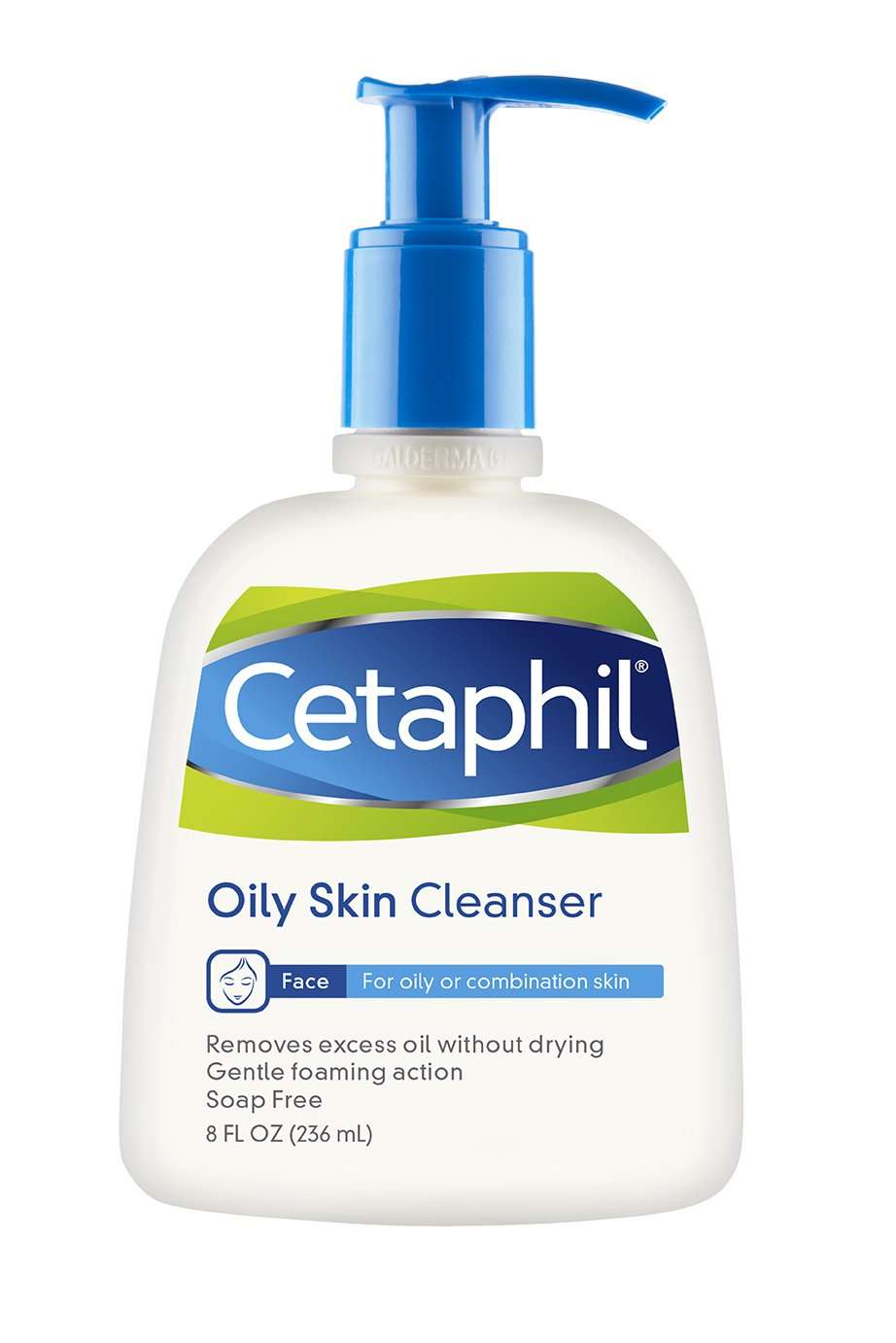
For oily skin: CeraVe Foaming Cleanser vs Cetaphil Oily Skin Cleanser. Both foam and remove oil without leaving skin stripped. CeraVe's includes niacinamide and ceramides. Both appear in the best cleansers for oily skin.
For blackheads and rough texture: CeraVe SA Smoothing Cleanser contains salicylic acid. Cetaphil has no close equivalent in most UK shops.
Moisturisers compared
CeraVe Moisturising Cream vs Cetaphil Moisturising Cream. These are the tubs. CeraVe's is rich, with ceramides, hyaluronic acid and petrolatum, and is one of the best low-cost creams for dry skin and eczema-prone skin. Cetaphil's is also rich but a little lighter in feel. It contains sweet almond oil, so check the label if you have a nut allergy.
Lotions. CeraVe Moisturising Lotion and Cetaphil Moisturising Lotion are both light enough for normal and combination skin and for the body. CeraVe's is slightly more substantial.
For the face. CeraVe's Facial Moisturising Lotion (the PM version, without SPF) is light, contains niacinamide and suits oily and combination skin. See moisturisers for oily skin and moisturisers for dry skin.
Related guideCeraVe vs La Roche-Posay: Is the Pricier One Worth It?CeraVe and La Roche-Posay are both owned by L'Oréal and both gentle. How their cleansers, moisturisers and sunscreens compare.Read the guide →Which is better for your skin type?
- Dry skin: CeraVe. The ceramides and richer textures help more.
- Very sensitive or reactive skin: Cetaphil, for its simpler formulas. If you react to one brand, try the other.
- Oily skin: either foaming cleanser; CeraVe's PM lotion for moisturiser.
- Acne-prone skin: either, as a gentle base under acne treatment. CeraVe has more treatment products if you want them from one brand.
- Eczema-prone skin: CeraVe Moisturising Cream is a common choice, but follow your GP's or pharmacist's advice on emollients.
- A damaged skin barrier: CeraVe. See how to repair your skin barrier.
Are they the same?
No, though they sit in the same aisle and price range. They're owned by different companies and built on different ingredients. Some people find CeraVe's richer creams too heavy or get small bumps from them, and prefer Cetaphil. Others find Cetaphil not moisturising enough. Skin varies, and the only way to know is to try one for a few weeks.
Can you mix the two?
Yes. There's no conflict between them. A Cetaphil cleanser with a CeraVe moisturiser is a perfectly sensible routine.
What neither brand does
Both make basics. Neither will treat acne, pigmentation or wrinkles on its own. For that you add an active ingredient: see how to build a skincare routine. Formulas change, so check current ingredients lists if you have allergies.
If you're also weighing up La Roche-Posay, see CeraVe vs La Roche-Posay.
FAQs
Is CeraVe or Cetaphil better?
Neither overall. CeraVe is better for dry skin and barrier repair; Cetaphil is lighter and simpler, which suits very sensitive skin.
Which is better for acne, CeraVe or Cetaphil?
Both work as a gentle base. CeraVe has more products with salicylic acid if you want a treatment from the same brand.
Is Cetaphil or CeraVe better for sensitive skin?
Both are fragrance-free and gentle. Cetaphil's formulas are simpler, so it's often the first one to try.
Which is cheaper?
They're similar. Cetaphil is often slightly cheaper per bottle, and both are frequently on offer.