
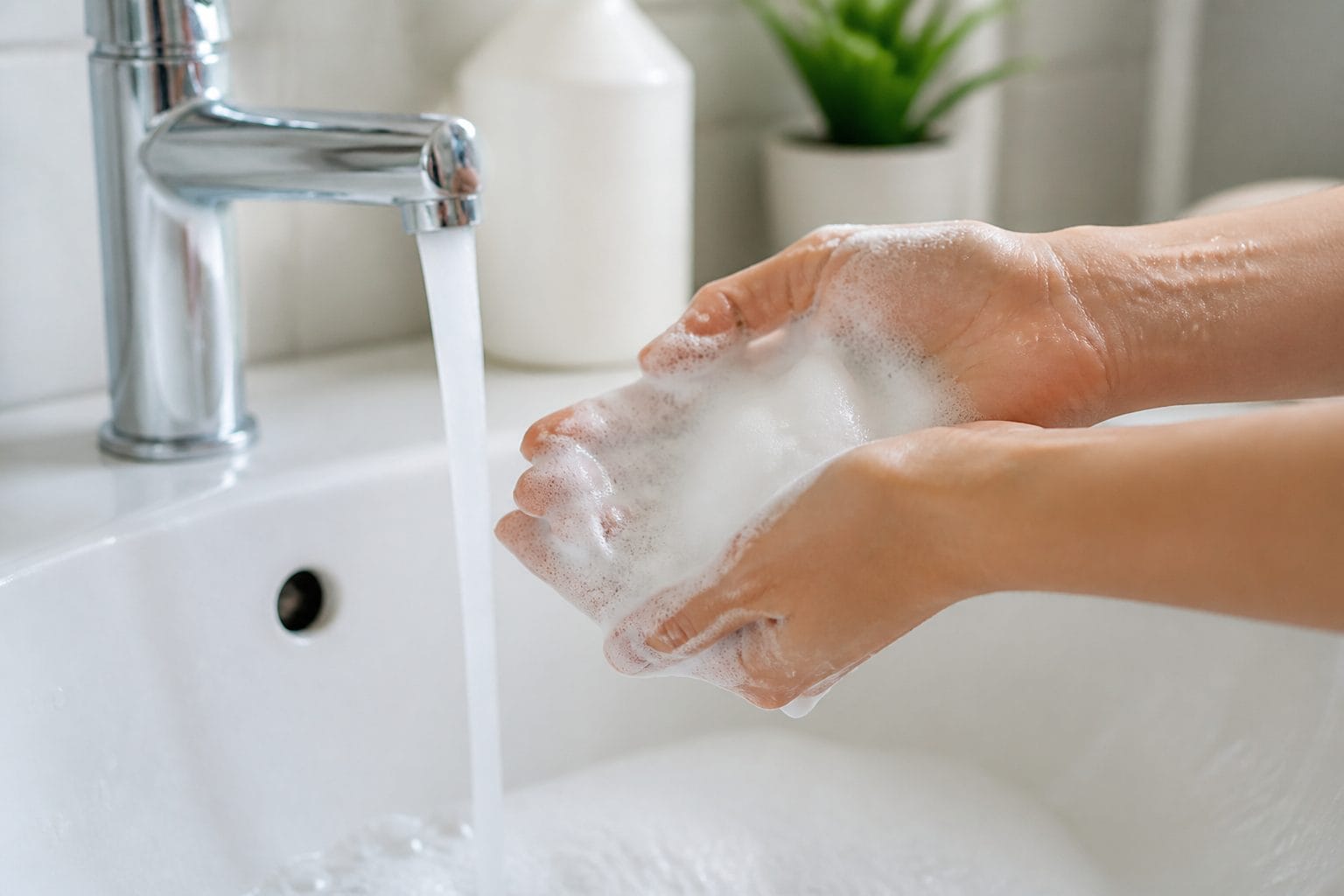
The best cleanser for oily skin removes sunscreen, sweat and excess sebum without that polished, squeaky finish. Squeaky usually means you have stripped surface lipids, not that pores are cleaner. Rebound shine often follows within hours.
This list is about rinse-off, water-based cleansers. Leave-on oil control belongs in serums for oily skin; cream cleansers for dry or sensitive skin are covered in the Cetaphil review.
I look for mild surfactants, a skin-friendly pH and enough slip to massage for 30 seconds. Below are five UK-available picks, including one salicylic acid wash for occasional use. They slot into a simple oily-skin routine.
Quick picks
- Best overall: CeraVe Foaming Cleanser
- Best for very oily skin: Cetaphil Oily Skin Cleanser
- Best pharmacy option: La Roche-Posay Effaclar Purifying Foaming Gel
- Best gentle low-foam option: The Inkey List Fulvic Acid Cleanser
- Best occasional active wash: The Inkey List Salicylic Acid Cleanser
Water-based cleanser or oil cleanser?
Water-based cleansers use water as the main solvent. Surfactants lift oil and dirt so they rinse away. Use them as your only cleanse in the morning and as the final cleanse at night.
An oil or balm cleanser does a different job: it dissolves water-resistant SPF and long-wear makeup before the water-based wash. Oily skin does not need to avoid oil cleansers. Proper cleansing oils contain emulsifiers, so they rinse rather than sitting like facial oil.
Wear substantial makeup or resistant SPF? Oil first, water-based second. Otherwise a double cleanse may just mean double the irritation. How to double cleanse covers when the extra step is worth it.
What I look for
Effective cleansing without excess detergent. Coco-betaine, glucosides, isethionates and sarcosinates can foam without old-fashioned soap harshness. Glycerin, niacinamide and ceramides soften the after-feel.
I am cautious about high-foam washes built on strong detergent systems. Sodium lauryl sulfate (SLS) is particularly irritating. Sodium laureth sulfate (SLES) is milder and can sit in a balanced formula; the finished product matters more than one INCI line. If your cheeks pull when you smile after rinsing, the cleanser is too strong.
Denatured alcohol is unnecessary in an everyday wash. It is not the same as moisturising fatty alcohols such as cetyl alcohol, but frequent use can dry. More on that in why I avoid drying alcohol in skincare.
The best cleansers for oily skin
1. CeraVe Foaming Cleanser
My default for oily and combination skin. Clear gel, controlled foam, removes ordinary sunscreen and oil without an after-wash film. Ceramides, niacinamide and hyaluronic acid make it more barrier-conscious than most "deep clean" branding.
Fragrance-free, widely sold in UK pharmacies, good value in the larger bottle. Too much twice daily if cheeks are dry? Use it at night and rinse with water in the morning. Contact time is brief, so do not expect the niacinamide to transform pores.
2. Cetaphil Oily Skin Cleanser
More cleansing power than Cetaphil's famous cream cleanser, and a better fit for a consistently shiny T-zone. Rinses clean; positioned for oily, combination and sensitive skin. Choose it when a non-foaming wash leaves residue.
Do not confuse the two. My Cetaphil Gentle Skin Cleanser review explains why that mild cream suits dry or treatment-sensitised skin but can feel underpowered on a very oily face. The Oily Skin Cleanser foams more, so ease off if tightness develops.
3. La Roche-Posay Effaclar Purifying Foaming Gel
The strongest everyday option here. Handles sweat and sebum well; convenient for very oily, blemish-prone skin in humid weather. Foams readily and rinses without a heavy residue.
That strength is also the trade-off. Check the UK pack, as ingredient lists vary by market; some versions use SLES. Skip it for dry-cheeked combination skin, eczema or a damaged barrier. A cleanser cannot "purge" spots, and persistent stinging is not an adjustment period.
4. The Inkey List Fulvic Acid Cleanser
Despite the active-sounding name, this is mainly a gentle gel cleanser, not an exfoliating treatment. Light lather, day-to-day grime, less stripped finish than many oily-skin washes. Sensible if you want a clean rinse without a lot of foam.
Claims that fulvic acid will dramatically brighten during a rinse-off step deserve scepticism. Buy it for the cleansing base, not as a leave-on replacement.
5. The Inkey List Salicylic Acid Cleanser
The targeted pick for clogged pores and recurrent blackheads. Salicylic acid is oil-soluble and can help loosen material in the pore; mechanism and evidence in the salicylic acid guide.
Use two or three evenings a week at first, massage gently, rinse after about 30 seconds. Plain cleanser on other days. More contact time and daily use are not automatically better if you already use leave-on BHA, benzoyl peroxide or a retinoid. A rinse-off acid is a supporting step, not a full acne treatment.
How to cleanse without stripping
Wet with lukewarm water. Small coin-sized amount, fingertips for 20 to 30 seconds, rinse thoroughly, pat dry. Hot water, flannels and rotating brushes add irritation without cleaning pores more deeply.
At night, take longer around the hairline and sides of the nose where sunscreen lingers. In the morning, cleanser again if you wake greasy; water alone is fine if you feel comfortable. Follow with a light moisturiser for oily skin.
Watch the cumulative routine. Acid cleanser plus exfoliating toner plus retinoid is a common path to redness, sudden sensitivity and flaky patches. Those are signs of over-exfoliation, not proof impurities are leaving.
FAQs
What is the best cleanser for oily skin?
CeraVe Foaming Cleanser is my best overall pick: cleans effectively, fragrance-free, no aggressively stripping finish. Very oily, resilient skin may prefer Cetaphil Oily Skin Cleanser or Effaclar.
Is a water-based cleanser good for oily skin?
Yes. A water-based gel removes excess sebum and water-soluble dirt and rinses clean. Choose a mild surfactant system and stop if skin feels tight, itchy or unusually shiny straight after washing.
Should oily skin double cleanse every night?
Only when there is something substantial to remove, such as water-resistant SPF or long-wear makeup. Emulsifying oil or balm first, then a small amount of water-based cleanser. One thorough cleanse is enough on lighter days.
Can I use a salicylic acid cleanser every day?
Some tolerant skin can, but start at two or three times a week. If you also use leave-on acids, retinoids or benzoyl peroxide, a daily acid wash may add irritation for little extra benefit.
How often should I wash an oily face?
Once at night and, if needed, once in the morning. Cleansing after heavy sweating is fine; repeatedly washing away shine can damage the barrier. Adjust strength or frequency if your face feels tight after rinsing.
References
Youn SW. The role of facial sebum secretion in acne pathogenesis: facts and controversies. Clin Dermatol. 2010;28(1):8-11. (https://pubmed.ncbi.nlm.nih.gov/20082943/)