
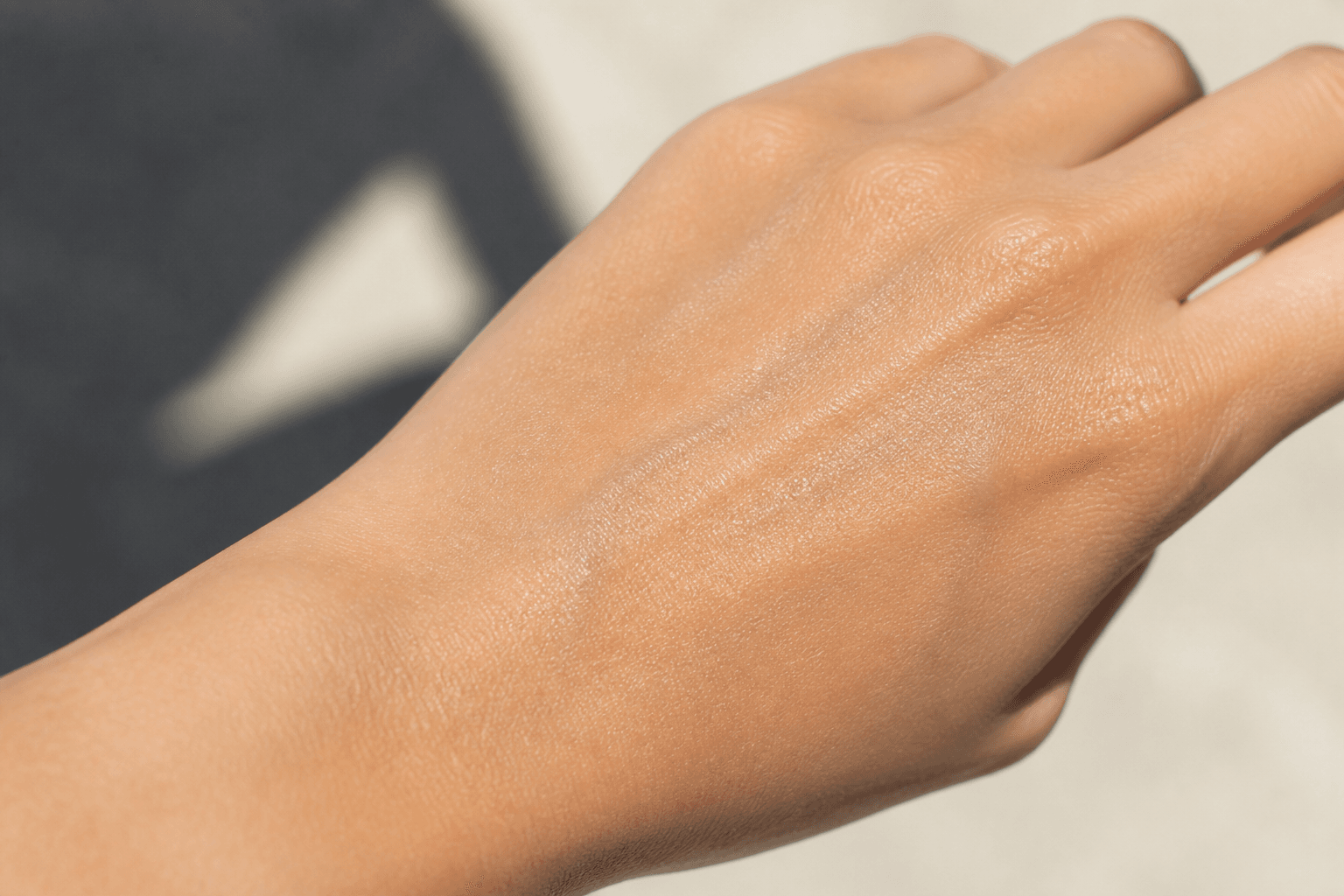
The short answer: most popular Korean sunscreens do not leave a white cast, because they are chemical or hybrid formulas, not zinc sticks. That is a large part of why people switch, and why the category exploded on deeper skin tones that were tired of looking ashy at 9am.
The longer answer is: some still can, if they are mineral, if you use too much of a milky lotion, or if you only blend the centre of your face. Here is how to tell before you waste a tube.
Why K-SPF is usually invisible
Western "physical" sunscreens that rely on zinc oxide and titanium dioxide scatter light. In real life that often reads as white or grey, especially at the percentages you need for SPF50. Korean daily SPFs, including Beauty of Joseon Relief Sun, Round Lab, COSRX Aloe and most Isntree gels, use organic filters in a skincare base. They absorb UV rather than sitting as a chalk layer. That is the practical bit of why the texture is different, and of Korean vs Western sunscreen.
Invisible is not the same as optional. You still need the two-finger amount. The win is that the proper amount does not look like face paint.
Missha Soft Finish can show a faint grey if you dump it on and do not blend. That is leftover milk, not a zinc veil. Blend the hairline, ears and jaw.
Deeper skin tones
This is where the category earned its reputation.
A white cast on deep skin is not a "blend better" problem. It is pigment in the formula (or rather, white pigments and uncoated minerals) sitting on top of melanin. Chemical Korean SPFs were the first widely hyped products that let many people wear SPF50 without a grey mask.
Still check:
- Swatch on the jaw, not the back of the hand, in daylight.
- Watch for flashback if you are wearing it under photography lighting. Some powdery finishes (Missha) can catch a camera even when they look fine in the bathroom.
- Tinted K-SPF exists but shade ranges are often limited. A clear chemical formula plus your own foundation is usually more reliable than a too-light beige sunscreen.
If a Korean SPF is mineral and advertised as "calming" or "for babies", assume cast until proven otherwise. The viral tubes in the UK roundup are mostly not that.
Oily, deep skin often does well with Missha Soft Finish or Joseon plus powder: Korean sunscreen for oily skin. Ashiness from powder is a separate issue — translucent powders are not all actually translucent.
When you will see white or grey
Mineral or high-zinc hybrids. Some Korean brands do make these for sensitive-skin marketing. They can be useful; they can also be chalky. Sensitive skin does not have to mean mineral. Hybrid with modern filters is often enough.
Under-blending. A stripe at the hairline reads as cast. Take the product into the hair, onto the ears, down the neck so there is no edge.
Flaky skin. White catches on dry patches. That is texture, not filter type. Exfoliate gently, moisturise, then SPF. See Korean sunscreen for dry skin.
Too much of a milky lotion on very deep tones. Rare with Joseon; more likely with older, opaque lotions. If it looks like primer that never sheered out, it is the wrong formula.
Expired or heat-damaged product. Separated SPF can go patchy. Do not leave Stylevana parcels in a hot hallway for a week if you can help it.
Makeup and cast
If the SPF is truly clear, makeup sits on your actual skin colour. That is why Korean SPF under makeup is easier than mineral-plus-foundation colour matching.
If you see white after makeup, it may be powder flashback, not the sunscreen. Test SPF alone.
Pilling can look like pale bits. That is product rolling, not cast. Fix the stack.
What to buy if cast is the whole brief
- Beauty of Joseon Relief Sun — the default invisible serum.
- Isntree watery sun gel — clear, dewy.
- Round Lab Birch Juice / Dokdo — clear, moisturising.
- COSRX Aloe — cream, blends out, high street.
- Missha Soft Finish — usually invisible; blend well.
Skip random "100% mineral" K-labels unless you have swatched them. Cheap is fine: cheap Korean sunscreens include several chemical options. Waterproof formulas can look slightly more opaque in the bottle and still blend clear; check the finish, not the tube colour.
Cast is also why people abandon SPF entirely, which is the worst outcome. Wear the thing. If a Western mineral was your only experience, Korean chemical SPF is the usual fix. If even those leave a film, you may be using too much moisturiser underneath or a primer that is white.
At night, double cleanse. In the morning, layer then SPF. Reapply without adding a white powder cloud if that is your issue: reapply over makeup.
This is ordinary K-beauty: products designed to be worn in daylight in a city, on real skin tones, not only on a fair holiday face. More to buy in Britain: Korean skincare in the UK. Oily skin chasing matte without chalk can also look at best SPF for oily skin.
The verdict
Most Korean sunscreens do not leave a white cast because they are chemical or hybrid. That is the point for deeper skin tones. Blend the edges, avoid mineral formulas if chalk is your complaint, and do not confuse pilling or powder flashback with a zinc veil.
FAQs
Do Korean sunscreens leave a white cast?
Most of the popular ones do not. They use chemical or hybrid filters. Mineral Korean SPFs can still chalk.
Which Korean sunscreen is best for dark skin?
A clear chemical formula such as Beauty of Joseon Relief Sun or Isntree watery sun gel. Swatch on the jaw in daylight.
Why is my Korean SPF still grey on my face?
Too much product, poor blending at the edges, a mineral formula, or powder flashback. Check the SPF alone before blaming the brand.
Is mineral sunscreen the only option if I have sensitive skin?
No. Many people with sensitive skin wear hybrid or chemical K-SPFs. Mineral is a preference, not a rule, and it is the main source of cast.
Does PA++++ mean no white cast?
No. PA++++ is a UVA rating. Cast comes from pigments and mineral filters, not from the pluses on the bottle.