Obviously Skincare
Blackheads on the nose are one of the most common skin complaints, and one of the most stubborn. The nose has a high density of oil glands and large pores, so plugs form easily and come back quickly. The good news: a few inexpensive, proven ingredients can keep them under control. The bad news: nothing removes them permanently, and many popular quick fixes make things worse.
First, check they're really blackheads
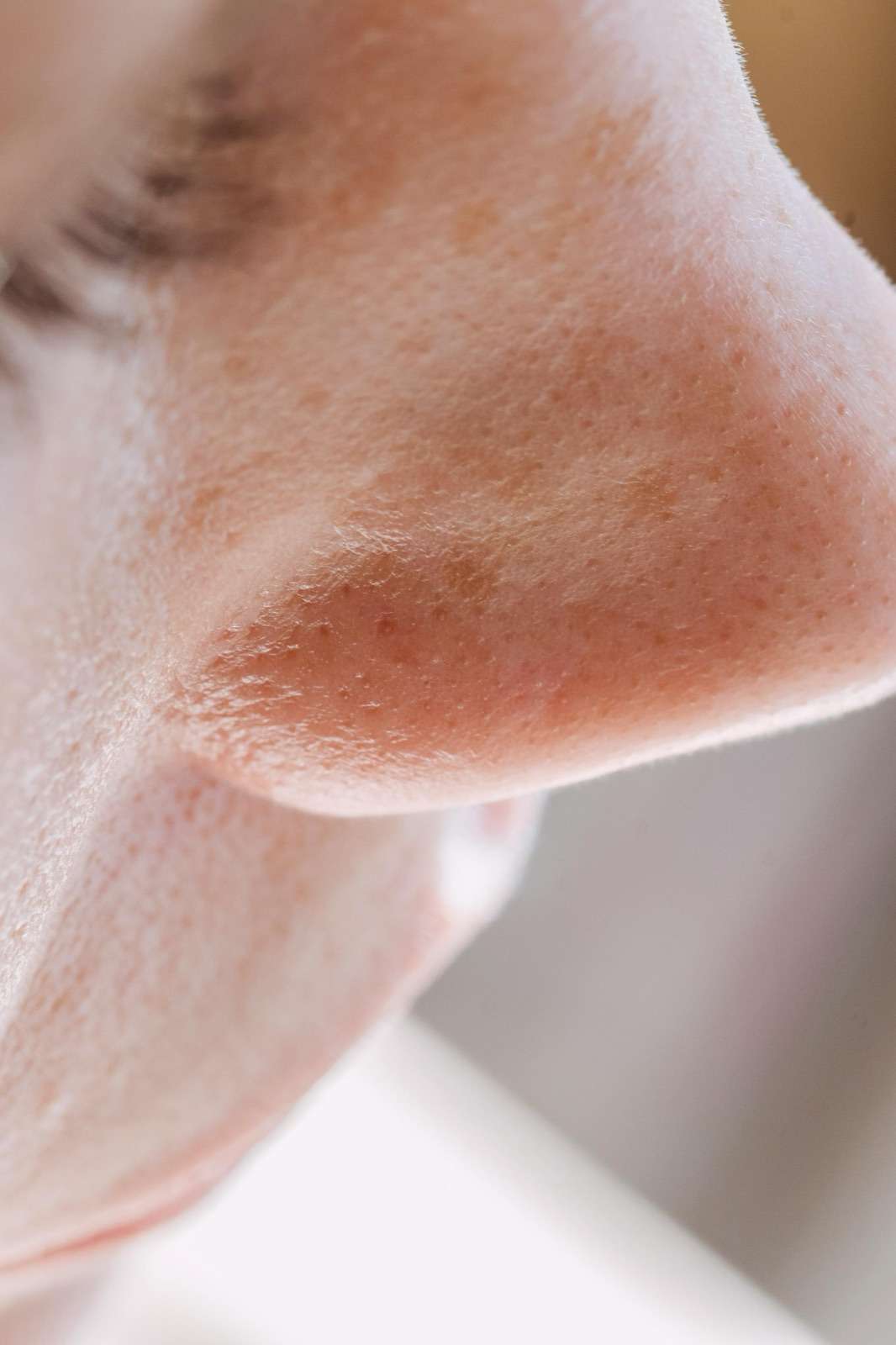
Many "blackheads" on the nose are actually sebaceous filaments: normal, evenly spaced grey or beige dots where oil lines the pore. Everyone has them, they refill within weeks, and you can make them less visible but not get rid of them.
| Sebaceous filaments | Blackheads | |
|---|---|---|
| Colour | Grey, beige or skin-toned | Dark brown or black |
| Pattern | Even, across the nose and inner cheeks | Scattered, uneven |
| Feel | Flat | Sometimes slightly raised or rough |
| When squeezed | A soft, pale thread | A firm plug with a dark tip |
| Is it acne? | No | Yes, a mild form |
See sebaceous filaments vs blackheads. The treatments below help both.
What blackheads are
A blackhead (open comedone) forms when skin cells lining the pore shed unevenly and become sticky, trapping oil inside. The plug's surface is exposed to air and turns dark through oxidation and the way light scatters off it, not because it's dirty. Hormones, oil production and genetics drive it, which is why washing more doesn't fix it.
Free toolSkincare routine builderNot sure what order to use your products in?Open the routine builder →What works
| Treatment | How it helps | How to use | Time to see results | Evidence |
|---|---|---|---|---|
| Salicylic acid (BHA) | Oil-soluble; gets inside the pore and loosens plugs | Leave-on 0.5 to 2%, 2 to 4 evenings a week | 2 to 6 weeks | Moderate to good |
| A retinoid (adapalene, retinol) | Normalises shedding in the pore so plugs stop forming | Pea-sized amount, 2 to 3 nights a week, building up | 8 to 12 weeks | Strong for adapalene |
| Niacinamide | Reduces visible oiliness | Daily | 4 to 8 weeks | Moderate |
| Oil cleansing | Loosens soft plugs and filament tips | Massage a cleansing oil over the nose for a minute, rinse | Immediate, short-lived | Limited |
| Clay mask | Absorbs surface oil | Once or twice a week | Immediate, short-lived | Small studies |
1. Salicylic acid
The first choice for blackheads. Unlike glycolic acid, it dissolves in oil, so it works inside the pore. Use a leave-on product (toner, serum or gel) rather than relying only on a wash, which is rinsed off quickly. See salicylic acid.
2. A retinoid
The best long-term prevention. Retinoids stop the abnormal shedding that starts each plug. Adapalene 0.1% is available from UK pharmacies, and in an analysis of five trials it was as effective as prescription tretinoin and better tolerated. Expect some dryness and possibly a temporary flare in the first month. See adapalene.
3. Niacinamide
Can reduce oiliness, which makes pores and filaments less noticeable. In one study, 2% niacinamide lowered oil production over a few weeks. See niacinamide.
4. Gentle cleansing, and oil cleansing
Wash twice a day with a gentle cleanser. Massaging a cleansing oil over the nose for a minute before rinsing can loosen soft plugs and filament tips. Use a rinse-off cleansing oil, not a heavy face oil.
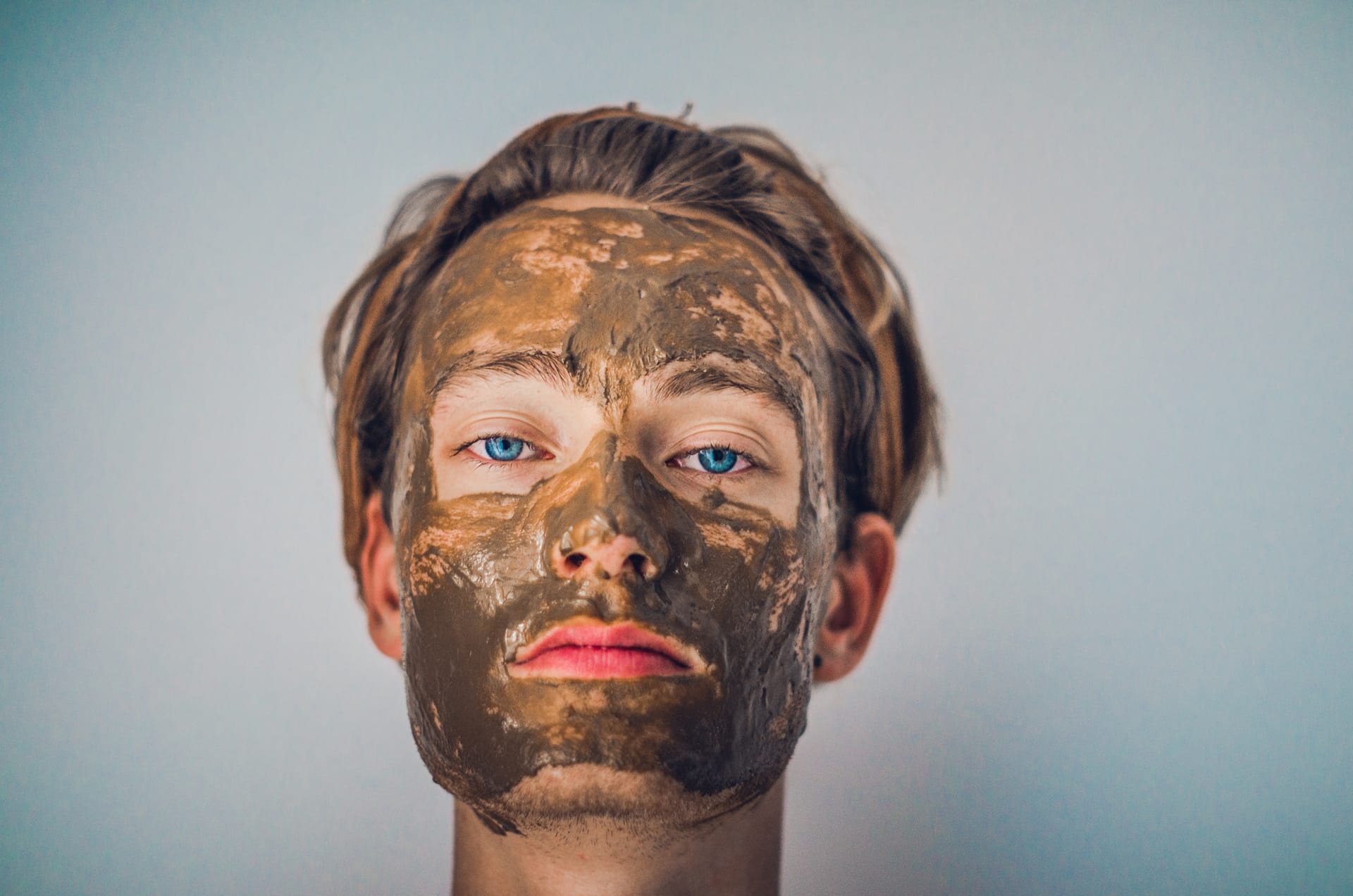
5. A clay mask, occasionally
Kaolin or bentonite clay absorbs surface oil. In a study of people with oily, acne-prone skin, regular clay mask use reduced oiliness. Once or twice a week, rinsed before it dries completely.
What doesn't work (or makes things worse)
| Method | Problem |
|---|---|
| Squeezing | Can push the plug deeper, stretch the pore, and cause redness, broken skin and marks |
| Pore strips | Pull out the tops of plugs, which return within days to weeks; can irritate. See pore strips. |
| Charcoal cleansers and peel-off masks | No better than a normal cleanser; peel-offs can damage skin. See why charcoal is overrated. |
| Harsh scrubs | Irritate the surface and don't reach inside the pore |
| Pore vacuums | Can bruise skin and break blood vessels |
| Toothpaste, lemon, baking soda | Irritate and can cause burns |
| Steaming every day | Softens plugs briefly, but frequent heat can irritate and dilate vessels |
If you want blackheads removed, a trained facialist or dermatologist can do occasional extractions safely, ideally after a few weeks of salicylic acid to soften the plugs.
Related guideDo Pore Strips Work? Why They're a Short-Term FixPore strips pull out the tops of blackheads and sebaceous filaments, which return within weeks. Why they can irritate skin, and what clears your nose for longer.Read the guide →A simple routine for blackheads on the nose
| Morning | Evening | |
|---|---|---|
| 1 | Gentle cleanser | Cleansing oil on the nose, then gentle cleanser |
| 2 | Niacinamide serum (optional) | Salicylic acid (2 to 4 nights) or adapalene (2 to 3 nights), on different nights |
| 3 | Light moisturiser | Light moisturiser |
| 4 | SPF 30+ | — |
| Weekly | — | Clay mask once a week (optional) |
Start with one active. Add the second after four to six weeks if needed, on alternate nights. See ingredients you shouldn't mix.
Why blackheads keep coming back
Because the causes, oil production and the way your pore lining sheds, don't stop. Treatments manage blackheads; they don't cure them. Keep using salicylic acid or a retinoid a few times a week once they're under control, or they'll return within weeks.
When to see a GP
If blackheads come with red spots, painful lumps or scarring, you have acne that may need prescription treatment. See a GP or pharmacist if over-the-counter treatments haven't helped after three months. See the minimal acne routine.
References
- Cunliffe WJ, Holland DB, Jeremy A. Comedone formation: etiology, clinical presentation, and treatment. Clin Dermatol. 2004;22(5):367-74. (https://pubmed.ncbi.nlm.nih.gov/15556720/)
- Arif T. Salicylic acid as a peeling agent: a comprehensive review. Clin Cosmet Investig Dermatol. 2015;8:455-61. (https://pubmed.ncbi.nlm.nih.gov/26347269/)
- Cunliffe WJ, Poncet M, Loesche C, et al. A comparison of the efficacy and tolerability of adapalene 0.1% gel versus tretinoin 0.025% gel in patients with acne vulgaris: a meta-analysis of five randomized trials. Br J Dermatol. 1998;139 Suppl 52:48-56. (https://pubmed.ncbi.nlm.nih.gov/9990421/)
- Draelos ZD, Matsubara A, Smiles K. The effect of 2% niacinamide on facial sebum production. J Cosmet Laser Ther. 2006;8(2):96-101. (https://pubmed.ncbi.nlm.nih.gov/16766489/)
- Singh Y, Neema S, Bahuguna A, et al. Sebaceous Filaments. Dermatol Pract Concept. 2021;11(1):e2021148. (https://pubmed.ncbi.nlm.nih.gov/33614220/)
- Zhang X, Zhang Z, Tao H, et al. Comprehensive assessment of the efficacy and safety of a clay mask in oily and acne skin. Skin Res Technol. 2023;29(11):e13513. (https://pubmed.ncbi.nlm.nih.gov/38009030/)
FAQs
What's the fastest way to get rid of blackheads on my nose?
A leave-on salicylic acid a few times a week shows results in two to six weeks. Oil cleansing gives a quick, short-lived improvement.
Should I squeeze blackheads?
Best not. It can damage the skin and cause marks. A professional extraction is safer.
Why do my blackheads keep coming back?
Because oil production and pore shedding continue. Ongoing salicylic acid or a retinoid keeps them under control.
Are the black dots on my nose blackheads?
Often they're sebaceous filaments, which are normal. Blackheads are darker, uneven and come out as a firm plug.
Does adapalene work on blackheads?
Yes. It's one of the most effective long-term treatments.
Can I use salicylic acid and retinol together?
Use them on different nights to limit irritation.