
You find activated charcoal in everything these days; face masks, face scrubs, face cleansers, toothpastes, the list goes on. Charcoal is being used for it's excellent ability to absorb things; in the medical field activated charcoal is used to treat poisoning. It's this strong ability to absorb that might be damaging your skin instead of doing it any good. Read on to find out why you should avoid charcoal in skincare products.
How does activated charcoal work?
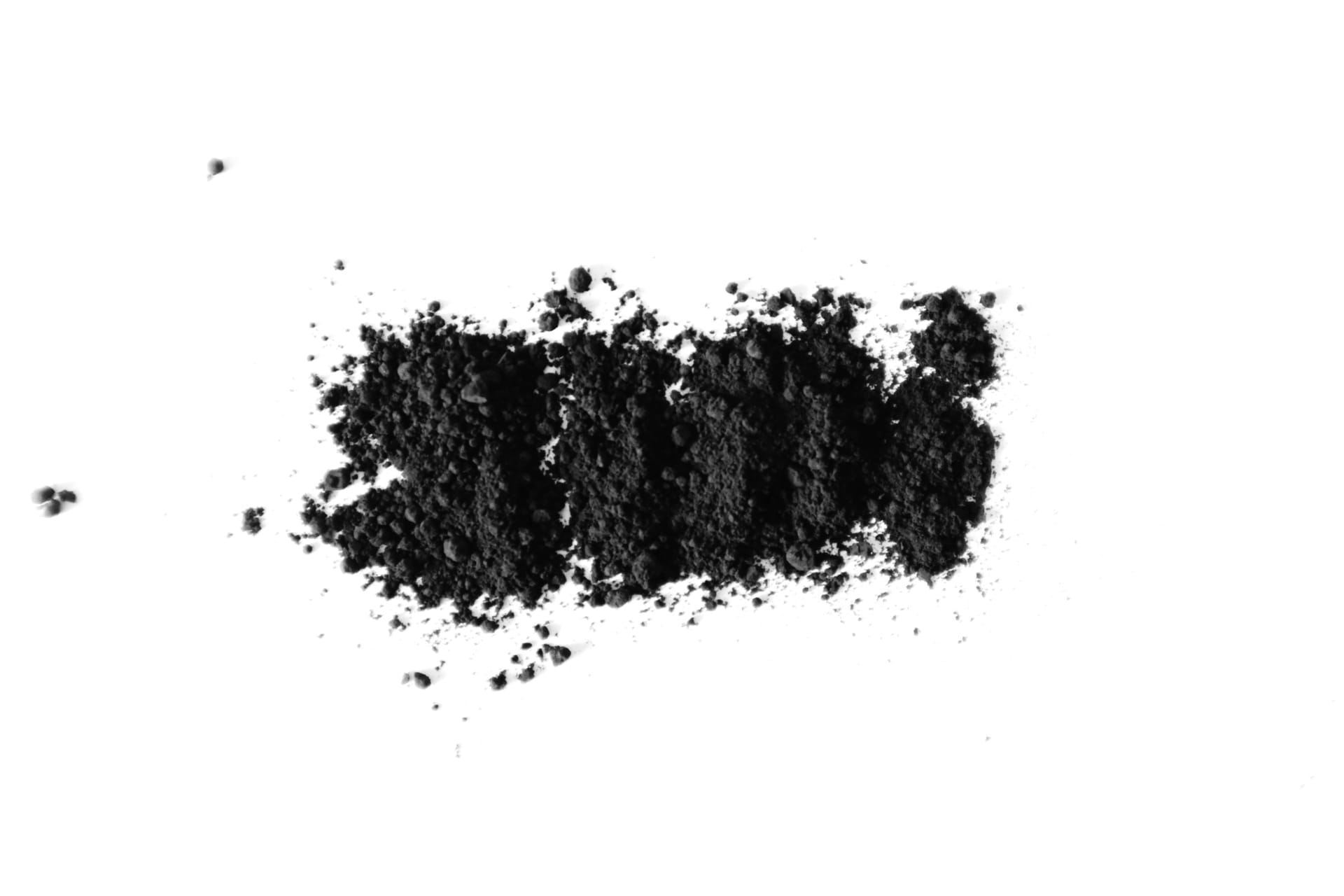
Activated charcoal is a fine black powder made from wood or coal; it is activated using high temperatures combined with gas which significantly increases it's surface area. It's this large surface area that gives activated charcoal space to absorb substances, oils, dirt, impurities and the like.
Many brands and DIY masks are now including activated charcoal as a 'must have' ingredient, but here's why you should think twice before using them:
Charcoal is highly absorbent
This is seen to be a good thing in skincare, especially for those that suffer from oily skin. Applying a charcoal treatment to oily skin can help absorb all that excess oil and impurity, leaving your skin 'squeaky' clean. This is good news....or is it?
The problem with a 'squeaky clean' skin finish that we all strive to achieve is that it really isn't great for the skin. The skin is supposed to have natural oil secretions on it which keep the skin healthy and moisturised. By completely stripping the skin of these oils you could be compromising the natural lipid barrier.
Not only does this leave your skin more prone to environmental damage, but it also means you can suffer from dry skin or your sebaceous glands have to work overtime to counter this dryness. When you strip the skin of it's natural oils, sebum production is increased to help hydrate the pores and skin. This can even lead to an oily complexion or breakouts, things you were trying to combat in the first place.
Charcoal peel masks are a harsh treatment
Those charcoal peel masks you've been seeing everywhere are often doing more harm than good. These masks strip the skin of it's natural oils, and the adhesion to the skin can have disastrous effects. Some cheaper masks which include stronger 'glues' or adhesives which bind the mask to your face can cause skin irritation, peeling and redness.
What you're effectively doing when using these activated charcoal masks is peeling or ripping the outermost layer of skin off. This can be problematic for those with sensitive skin, eczema, rosacea or related skin conditions. Even if you have healthy skin, continued use of these masks can make your complexion take a turn for the worst.
The evidence is thinner than the marketing
One more thing worth knowing: for all its popularity, there's very little published research showing activated charcoal does anything meaningful in a rinse-off skincare product. The "detox" framing borrows credibility from charcoal's genuine medical use in poisoning cases, but drinking-charcoal-binds-toxins-in-your-stomach and a-mask-detoxes-your-face are entirely different claims, and only the first has evidence behind it. Your skin doesn't store toxins that need pulling out; that's what your liver and kidneys are for.
What to use instead
If you're drawn to charcoal for oily skin or clogged pores, these do the same job with better evidence and far less collateral damage:
- Salicylic acid (BHA): oil-soluble, so it exfoliates inside the pore where blackheads form, without stripping the whole face. Our full salicylic acid guide is here.
- Niacinamide: regulates sebum production over time, addressing the cause of oiliness rather than blotting the symptom. Here's how to add it to your routine.
- Clay masks (kaolin or bentonite): if you love the mask ritual, clay absorbs excess oil more gently than charcoal peels and rinses off without taking your stratum corneum with it. Once or twice a week, and rinse before it fully cracks.
To sum it up
Activated charcoal has a large surface area which readily absorbs oils and impurities from the skin, but it can't tell good oils from bad, so it strips everything, leaving the barrier compromised and the sebaceous glands overcompensating. That means dryness, rebound oiliness, breakouts and irritation, with peel-off charcoal masks being the worst offenders. Skip the trend and reach for salicylic acid, niacinamide or a simple clay mask instead; your pores get the clean, your barrier keeps its lipids, and nobody has to rip anything off their face.