Obviously Skincare
Kojic acid is a skin-brightening ingredient used to fade dark spots, sun damage, marks left by acne and melasma. It's produced by several species of fungi, and is a by-product of fermenting rice for sake and soy sauce. It works by blocking the enzyme that makes pigment. It can be effective, and it's also one of the brightening ingredients most likely to irritate, so strength and frequency matter.
How it works
Melanin is made by an enzyme called tyrosinase, which needs copper to function. Kojic acid binds that copper, so the enzyme makes less pigment. A review of its uses describes it as a tyrosinase inhibitor that suppresses hyperpigmentation and melanin formation, with antioxidant and antimicrobial properties as well.
Like other ingredients of this type, it doesn't bleach skin. Existing marks fade gradually as the skin renews with less pigment.
What it's used for
- Sun spots and age spots
- Post-inflammatory hyperpigmentation (marks after spots or injury)
- Melasma, usually alongside other treatments
- General unevenness of tone
It doesn't help red marks, scars or moles.
Free toolSkincare ingredient checkerCheck whether two ingredients can be used together.Open the ingredient checker →Strength and safety
Kojic acid is typically used at 1% or less in leave-on face products. EU cosmetics rules cap it at 1% in face and hand products, following a safety review, and that's the limit to stay within. Higher strengths raise the risk of irritation and sensitisation without clear benefit.
The main side effect is contact dermatitis: redness, itching, stinging or a rash. Kojic acid is a known sensitiser, meaning you can become allergic to it with repeated use. It's more likely on sensitive skin and at higher strengths.
Always patch test. Apply a little behind the ear or on the inner arm daily for several days before using it on your face. See patch testing.
It can also make skin more vulnerable to the sun, since melanin is part of your natural protection. Daily sunscreen is essential.
How to use it
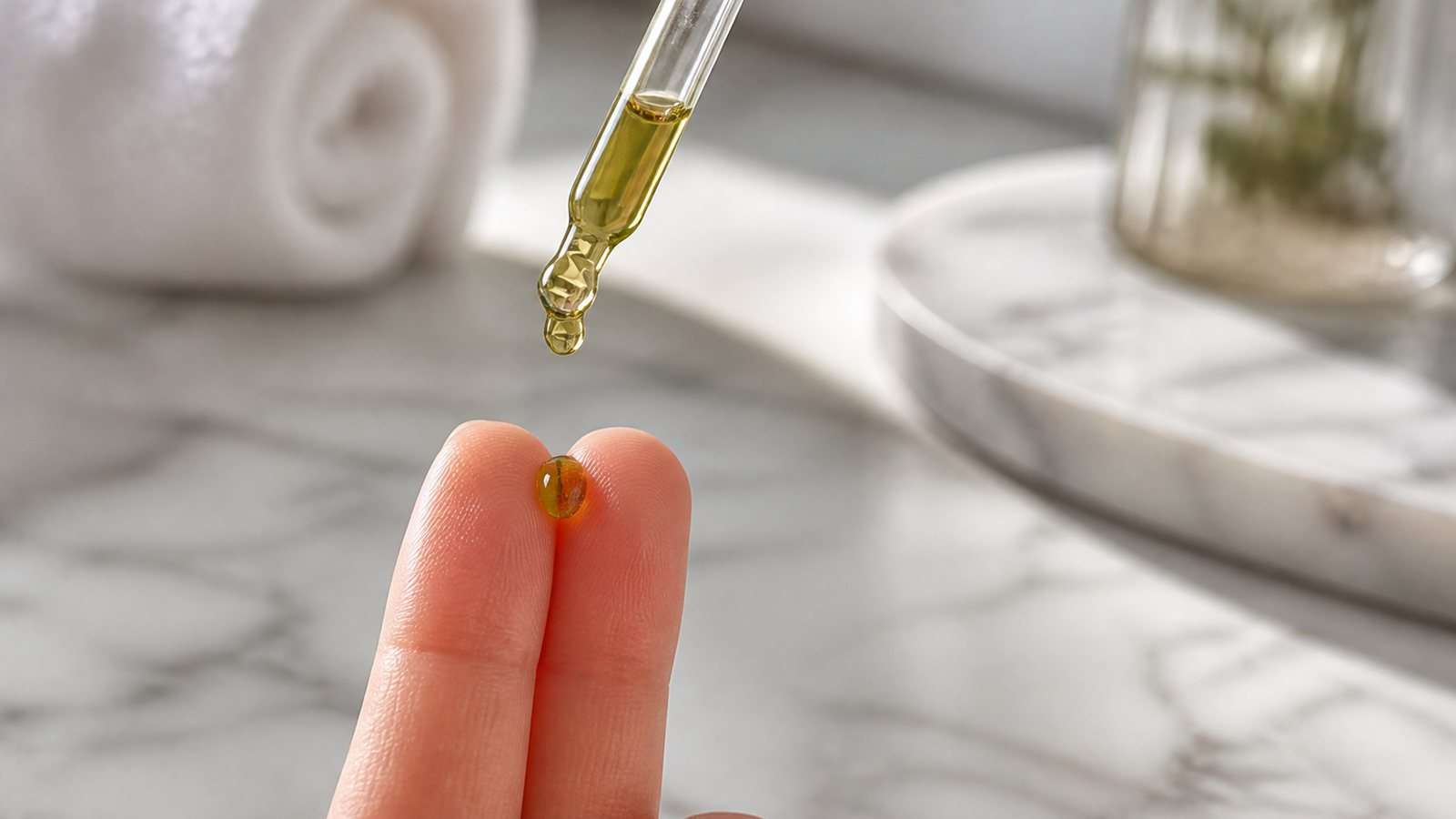
- Product type: a serum or cream is the best way to use it. Many combine kojic acid with other brightening ingredients.
- When: evening to start; morning is fine once tolerated, under sunscreen.
- Frequency: every other day at first, building to daily.
- Routine: cleanser → kojic acid serum → moisturiser. SPF 30 or higher every morning.
Give it 8 to 12 weeks. If your skin becomes red or itchy, stop.
Related guideTranexamic Acid for Skin: Melasma, Dark Spots and How to Use ItTranexamic acid (TXA) is a gentle ingredient for melasma and stubborn dark spots. How it works, what the evidence shows for topical TXA, how to use it, and what to pair it with.Read the guide →Kojic acid soap
Kojic acid soap is heavily promoted for body and face brightening. Some points to weigh:
- Contact time is short. A product that's rinsed off after a minute delivers much less than a leave-on serum.
- Soap is drying. Bar soaps have a high pH and strip the skin. Dryness and irritation can cause more pigmentation, the opposite of the aim.
- Quality varies. Many are sold by unregulated online sellers with no stated concentration.
- Counterfeits and adulterated products exist. UK trading standards teams have repeatedly seized illegal skin-lightening products containing hydroquinone, steroids or mercury. Buy only from reputable UK retailers, and avoid any product promising to lighten your overall skin colour.
If you use a kojic soap, limit it to the body, don't leave it on for long, moisturise afterwards, and stop if skin gets dry or sore.
Stability
Kojic acid is unstable. It oxidises with light and air and turns yellow-brown, losing activity. Look for opaque, airless packaging, and keep it closed and cool. Some products use kojic dipalmitate, a more stable derivative that's gentler but has less evidence behind it.
What to pair it with
Kojic acid is often formulated in combination, since acting on pigment in several ways works better.
- Good with: niacinamide, alpha arbutin, vitamin C, tranexamic acid, licorice extract, azelaic acid.
- With care: glycolic acid and retinoids. Common in prescription and clinic formulas, but the irritation adds up. Use on different nights.
- Always: sunscreen.
Kojic acid vs other brightening ingredients
| Kojic acid | Alpha arbutin | Azelaic acid | Vitamin C | |
|---|---|---|---|---|
| Strength of effect | Moderate | Mild to moderate | Moderate | Moderate |
| Irritation risk | Higher | Low | Tingling at first | Moderate |
| Sensitisation risk | Yes | Rare | Rare | Rare |
| Also treats acne | No | No | Yes | No |
| Stability | Poor | Good | Good | Poor |
For most people, alpha arbutin or azelaic acid is an easier first choice. Kojic acid is worth trying if those haven't done enough and your skin isn't sensitive.
Who should avoid it
- Sensitive or eczema-prone skin
- Anyone who has reacted to it before
- Broken or irritated skin
- In pregnancy and breastfeeding there's limited data; ask your midwife or GP
When to see a GP
If dark patches aren't improving after three to six months, are spreading, or appeared without an obvious cause. Melasma often needs prescription treatment. Any single dark spot that's changing should be checked. See post-inflammatory hyperpigmentation and melasma.
References
Saeedi M, Eslamifar M, Khezri K. Kojic acid applications in cosmetic and pharmaceutical preparations. Biomed Pharmacother. 2019;110:582-593. (https://pubmed.ncbi.nlm.nih.gov/30537675/)
Davis EC, Callender VD. Postinflammatory hyperpigmentation: a review of the epidemiology, clinical features, and treatment options in skin of color. J Clin Aesthet Dermatol. 2010;3(7):20-31. (https://pubmed.ncbi.nlm.nih.gov/20725554/)
FAQs
What does kojic acid do to your skin?
It slows pigment production, which gradually fades dark spots.
Is kojic acid safe?
At up to 1% in face products, it's considered safe. It can cause irritation and allergy in some people.
How long does kojic acid take to work?
Around 8 to 12 weeks.
Does kojic acid soap work?
Less well than leave-on products, and it can be drying. Buy only from reputable retailers.
Does kojic acid lighten skin permanently?
No. Pigment returns with sun exposure or when you stop using it.
Can I use kojic acid every day?
Yes, if your skin tolerates it. Start every other day.