Obviously Skincare
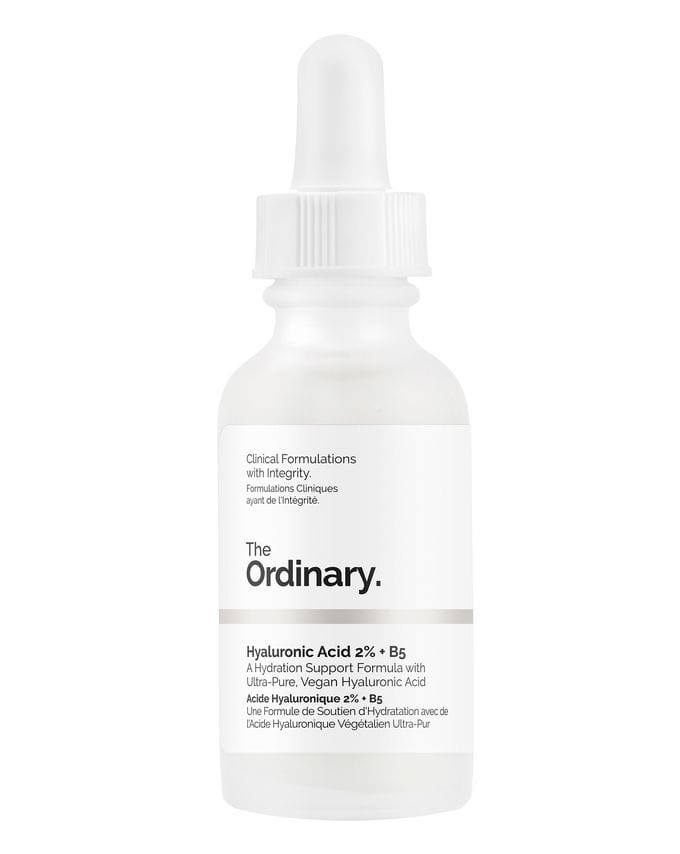
The Ordinary Hyaluronic Acid 2% + B5 is a cheap, simple hydrating serum. It makes skin feel plumper and less tight, it layers under almost everything, and it's one of the easiest products to recommend. It doesn't treat acne, fade dark spots or change wrinkles beyond the plumping effect of hydration.
There are two versions on sale, which confuses people. Here's the difference, what's in them, and how to get the most out of either.
Quick verdict
| What it is | A water-based hydrating serum with hyaluronic acid and panthenol (vitamin B5) |
| Best for | Dehydrated, tight or dry-feeling skin; buffering retinoids and acids |
| Suits | All skin types, including oily and acne-prone |
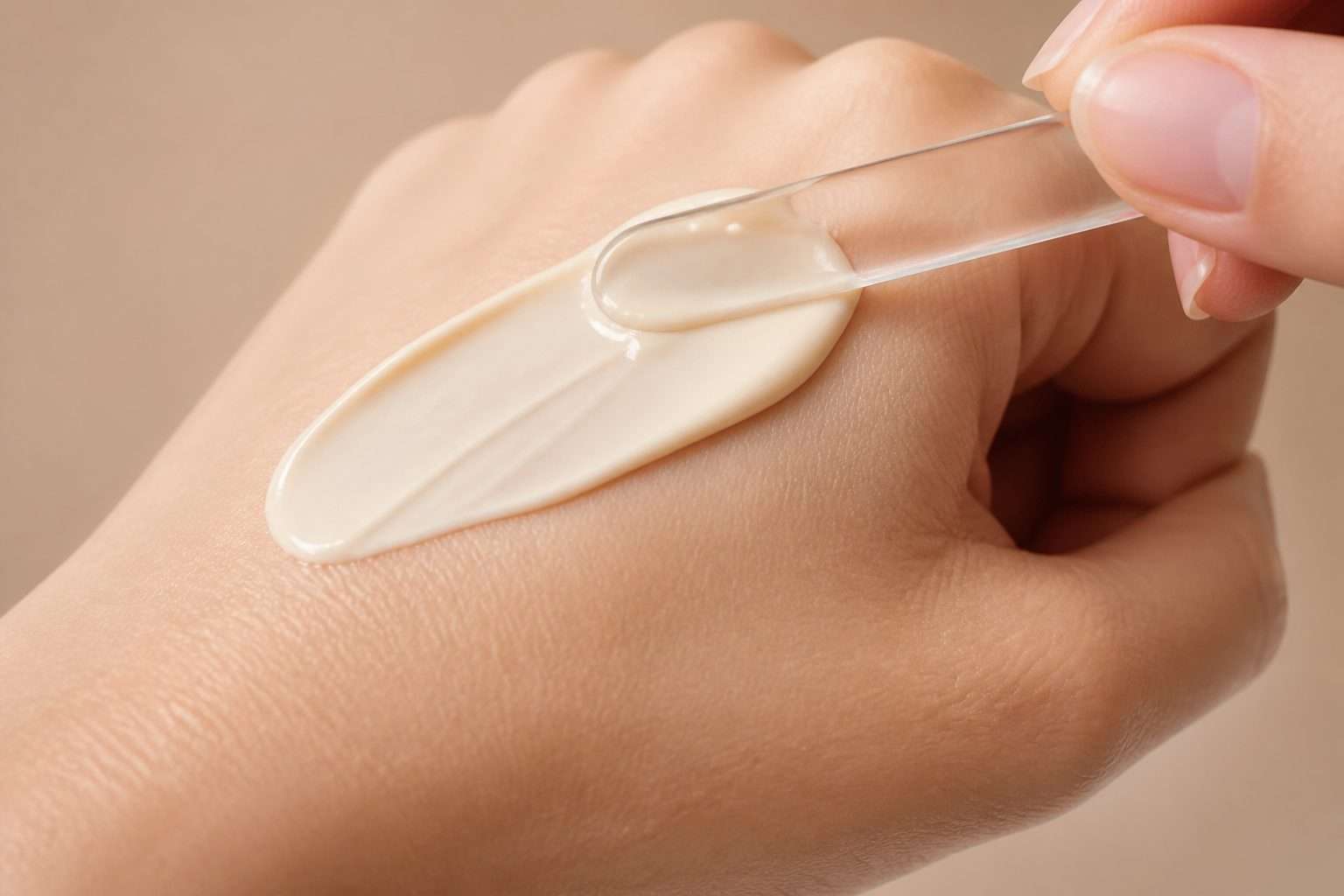
| Texture | Light, slightly tacky (original); silkier (with ceramides) |
| Fragrance | None |
| Key tip | Apply to damp skin, then moisturiser on top |
| What it won't do | Treat acne, fade dark spots or change deep wrinkles |
Original vs new formula
Both versions were on The Ordinary's UK site in November 2026.
| Original Formulation | With Ceramides | |
|---|---|---|
| Hyaluronic acid | 2% (several forms) | 2% (several forms) |
| Panthenol (B5) | Yes | Yes |
| Ceramides | No | Yes |
| Feel | Lighter, slightly tacky | Silkier, less sticky |
| Colour | Clear | Slight yellow tinge from the ceramides |
| Price | Lower | Slightly higher |
The "with Ceramides" version was launched as a reformulation. It keeps the 2% hyaluronic acid but adds ceramides to support the skin barrier. The original formulation was brought back after customers asked for it.
Both do the same basic job. If you found the original sticky, try the new one. If you liked the original, there's no reason to switch.
Free toolCan I use these together?Check whether two ingredients can be used together.Open the ingredient pair checker →What's in the original
The full ingredients list, from The Ordinary's UK site:
Aqua (Water), Sodium Hyaluronate, Pentylene Glycol, Propanediol, Sodium Hyaluronate Crosspolymer, Panthenol, Ahnfeltia Concinna Extract, Glycerin, Trisodium Ethylenediamine Disuccinate, Citric Acid, Isoceteth-20, Ethoxydiglycol, Ethylhexylglycerin, Hexylene Glycol, 1,2-Hexanediol, Phenoxyethanol, Caprylyl Glycol
| Ingredient | What it does |
|---|---|
| Sodium hyaluronate | The salt form of hyaluronic acid; binds water at the skin surface |
| Sodium hyaluronate crosspolymer | A cross-linked form that holds water for longer |
| Panthenol | Provitamin B5; soothing and hydrating |
| Pentylene glycol, propanediol, glycerin | Humectants that also add hydration |
| Ahnfeltia concinna extract | A red algae extract, mainly a texture agent |
| Preservatives | Phenoxyethanol, ethylhexylglycerin, caprylyl glycol, 1,2-hexanediol |
You can check either version with our ingredients list checker.
What it does
- Hydrates the outer layer of skin. Hyaluronic acid is a humectant: it attracts water and holds it at the surface.
- Softens dehydration lines, the fine, crepey lines that come from dry skin rather than ageing. In a placebo-controlled study, creams with 0.1% hyaluronic acid improved hydration and skin elasticity over 60 days, and some forms reduced wrinkle depth.
- Soothes, thanks to panthenol, which has evidence for helping skin hold water and supporting repair.
- Buffers drying actives. A layer under retinol or acids makes them easier to tolerate.
A note on "2%": the figure refers to the brand's blend of hyaluronic acid forms rather than 2% pure hyaluronic acid powder, which would make a very thick gel. That's normal across the industry, and higher percentages aren't necessarily better.
For the ingredient in more depth, see what hyaluronic acid does.
Related guideThe Ordinary Retinol in Squalane Review: 90 Days, and Which Strength to BuyThe Ordinary's retinol in squalane: what happened over 90 days with the 1% strength, which strength to start with, how to get through the irritation, and who should skip it.Read the guide →Our tester's 30 days with it (original formula)
Our tester has combination skin: dry on the cheeks and around the mouth, oily across the T-zone.
| Timeframe | What happened |
|---|---|
| Day 1 | Very light, sinks in fast, a slight shine for a few minutes. Cheeks felt less tight straight away. |
| Day 7 | Noticeably less dryness overall and skin looked plumper. The T-zone seemed a little less oily, possibly because it was better hydrated. |
| Day 30 | Similar to day 7. Some fine lines on the forehead were less visible, and our tester needed less moisturiser. |
That matches what you'd expect from a hydrator: quick improvement in comfort and plumpness, then a plateau.
The trick that makes it work
Apply it to damp skin, then put moisturiser on top. Most complaints about hyaluronic acid serums (tightness, stickiness, "it dries me out") come from applying them to dry skin in dry air and not sealing them in. On damp skin, it holds that water at the surface. A moisturiser on top stops it evaporating.
How to use it
- Cleanse, and leave your face slightly damp, or mist it.
- Two or three drops over your face and neck.
- Follow with moisturiser, and SPF in the morning.
- Morning, evening or both.
Using it with other products
| Product | Together? | Order |
|---|---|---|
| Retinoids | Yes | Hyaluronic acid first, or after the retinoid if you're sensitive |
| Vitamin C | Yes | Vitamin C first, then hyaluronic acid |
| Niacinamide | Yes | Either order; let each dry to avoid pilling |
| AHAs and BHAs | Yes | Acid first, wait a minute, then hyaluronic acid |
| Moisturiser | Always | Hyaluronic acid, then moisturiser |
See how to layer skincare, hyaluronic acid and vitamin C and retinol and hyaluronic acid.
Who should buy it
Buy it if:
- Your skin feels tight after cleansing.
- You're dehydrated, even if you're oily. See dry vs dehydrated skin.
- You want a cheap buffer under retinol or acids.
- You live or work somewhere with central heating or air conditioning.
Skip it if:
- Your skin already feels comfortable and you want visible treatment results.
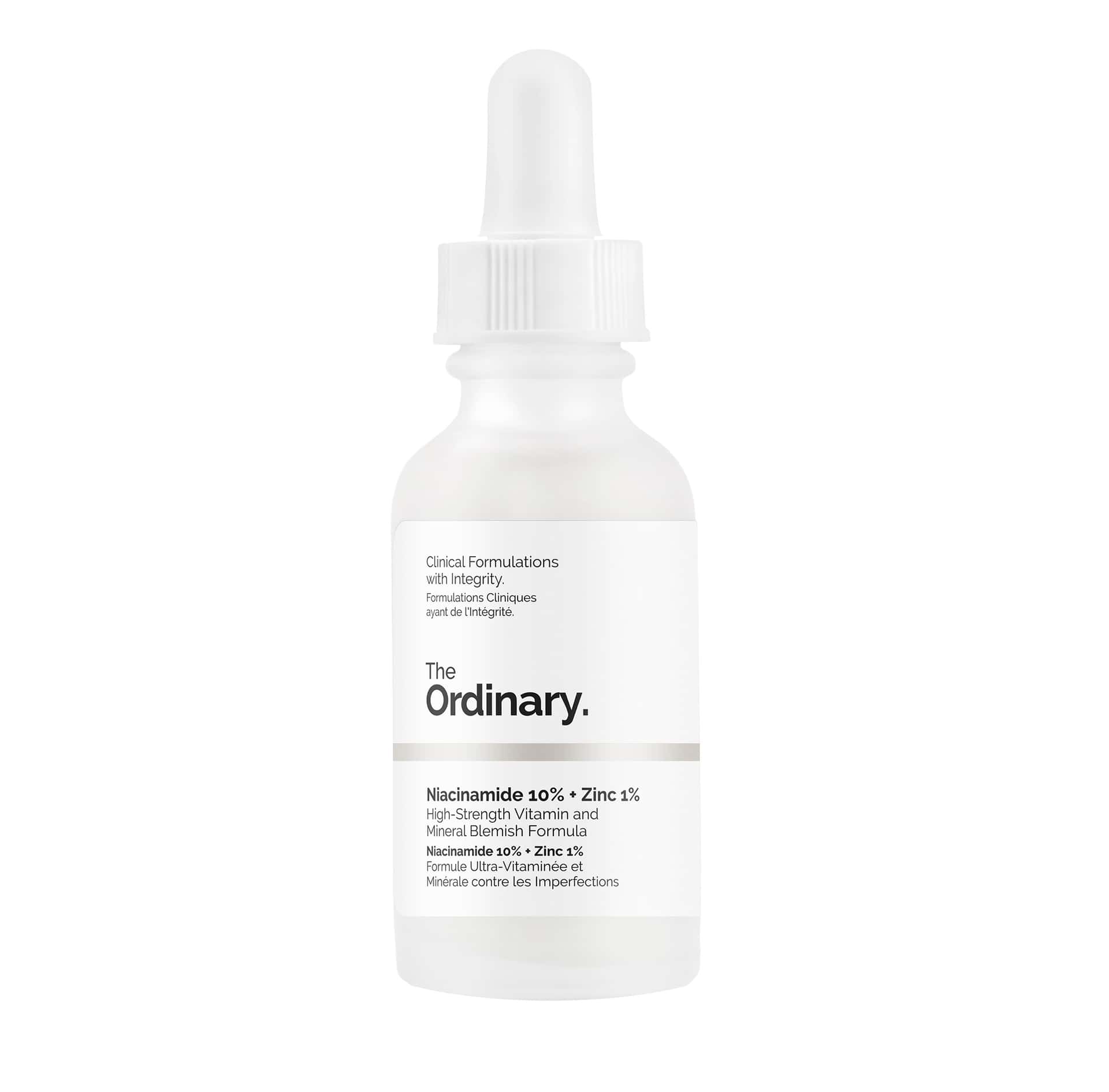
- You want help with oil and blemishes: The Ordinary Niacinamide 10% + Zinc 1% is a better first bottle.
- You want to fade dark marks: look at vitamin C or azelaic acid.
If your skin is very dry rather than dehydrated, a richer cream with ceramides will do more. See hyaluronic acid and ceramides.
Common problems
| Problem | Fix |
|---|---|
| Feels tight or dry | Apply to damp skin and seal with moisturiser |
| Sticky or tacky | Use fewer drops; try the "with Ceramides" version |
| Pills under other products | Let it absorb for a minute; use less |
| Breakouts | Rare; check your other products first |
| Stinging | Unusual; your barrier may be damaged. See barrier repair. |
Verdict
A good, cheap hydrating serum that does exactly what it says. Use it on damp skin with a moisturiser on top, and it's hard to fault. Choose the "with Ceramides" version for a less sticky feel.
References
- Pavicic T, Gauglitz GG, Lersch P, et al. Efficacy of cream-based novel formulations of hyaluronic acid of different molecular weights in anti-wrinkle treatment. J Drugs Dermatol. 2011;10(9):990-1000. (https://pubmed.ncbi.nlm.nih.gov/22052267/)
- Ebner F, Heller A, Rippke F, et al. Topical use of dexpanthenol in skin disorders. Am J Clin Dermatol. 2002;3(6):427-33. (https://pubmed.ncbi.nlm.nih.gov/12113650/)
FAQs
What's the difference between the old and new The Ordinary hyaluronic acid?
The new version adds ceramides and feels less sticky. The original is simpler and cheaper. Both contain 2% hyaluronic acid and panthenol.
Why does The Ordinary hyaluronic acid make my skin feel tight?
Usually because it's applied to dry skin and not followed with moisturiser. Use it on damp skin and seal it in.
Is it good for oily skin?
Yes. Oily skin can still be dehydrated, and it's oil-free and lightweight.
Can I use it morning and night?
Yes.
Does it help wrinkles?
It plumps fine dehydration lines temporarily. For lasting improvement in wrinkles, add a retinoid and daily SPF.