
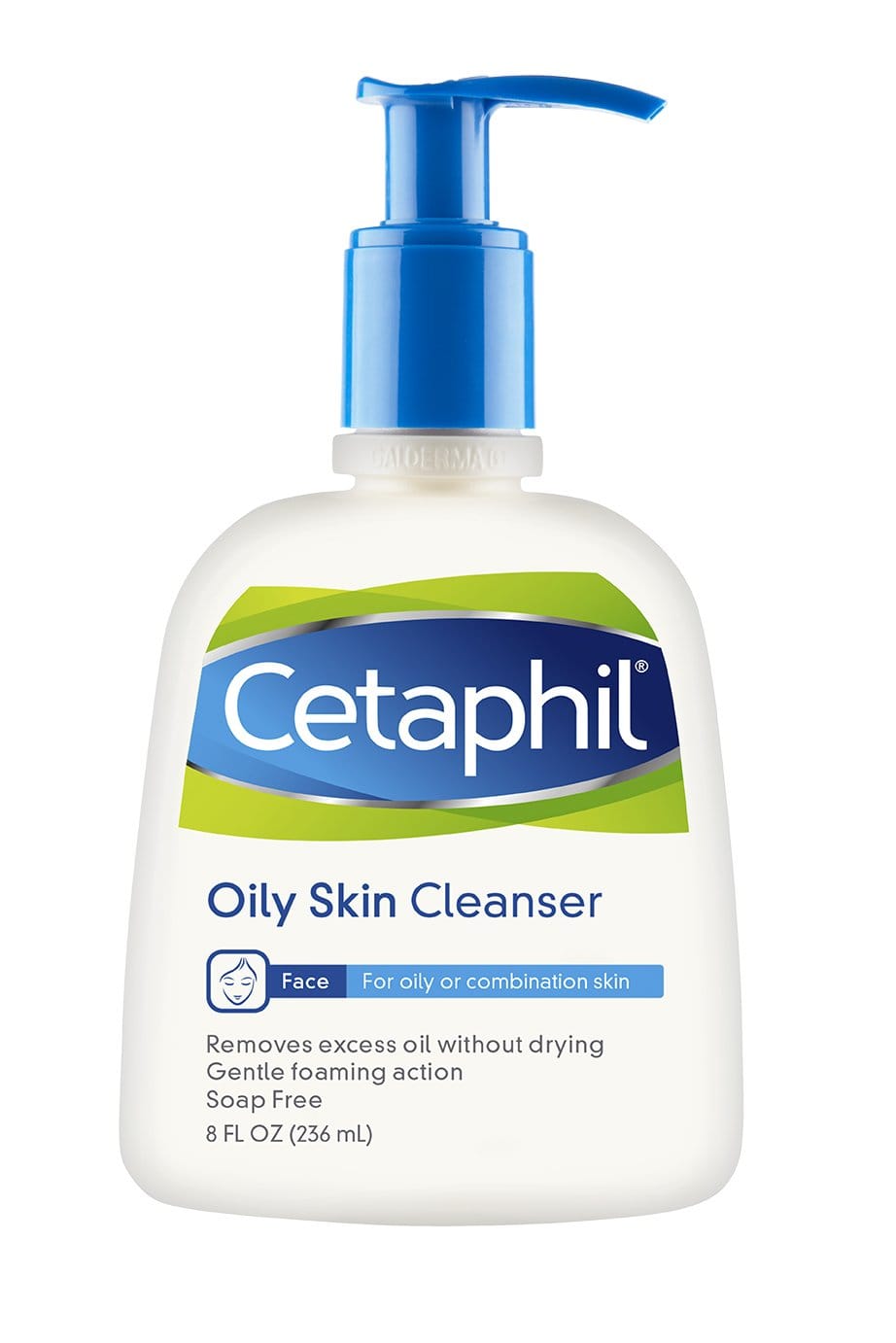
Cetaphil Gentle Skin Cleanser is one of the most recommended pharmacy cleansers in the UK, and one of the most searched. After using it daily for 30 days, this review covers what it does well, where it falls short, which skin types it suits, and when you should pick the gel instead.
This is a single-product review for sensitive, dry and treatment-sensitised skin. If you want a roundup of foaming gels for shine, go to the best cleanser for oily skin list instead.
Quick verdict
Excellent everyday cleanser for dry, sensitive, normal and combination skin. It cleans without stripping, does not thrash your barrier, and pairs well with retinoids and acids. Very oily skin, or heavy makeup and SPF wearers, will often want more cleansing power or a first cleanse with oil. Details below.
What is Cetaphil Gentle Skin Cleanser?
A soap-free, fragrance-free, non-foaming cream cleanser for face and body, aimed at sensitive and dry skin. The formula is:
- Soap- and sulfate-free: mild surfactants instead of harsh detergents
- Fragrance-free: one of the most common irritants is simply absent
- Non-comedogenic: formulated not to clog pores
- pH-balanced: close to skin's natural pH of around 5, so it does not wreck the acid mantle
- Hydrating: glycerin and panthenol help skin hold water rather than stripping it
Benefits
1. Cleans without stripping
Harsh cleansers remove dirt and the oils your barrier needs. That triggers dryness, irritation and, often, more oil as skin overcompensates. Cetaphil removes everyday dirt and light sebum while leaving the barrier alone. If your face feels squeaky and tight after washing, that is barrier damage, not proof of cleanliness.
2. Genuinely suitable for sensitive skin
No fragrance, no essential oils, no drying alcohols, no sulfates. Reactive skin, eczema-prone skin, or a damaged skin barrier are exactly when this cleanser earns its reputation.
3. Pairs well with actives
If you use retinol, tretinoin, vitamin C or exfoliating acids, a gentle cleanser is non-negotiable. A harsh wash stacks irritation on top of the treatment. That is why dermatologists keep recommending Cetaphil alongside prescriptions.
4. Cheap and easy to find
Boots, Superdrug, Amazon, most pharmacies. Price per use sits among the lowest of any dermatologist-recommended cleanser.
Honest disadvantages
Searches for "Cetaphil disadvantages" deserve a straight answer:
- It will not fully remove heavy makeup or water-resistant SPF alone. Mild by design. Use an oil or balm first, then Cetaphil as the second cleanse. That is double cleansing; you only need it at night when there is SPF or makeup to remove.
- It does not foam. Not a flaw (foam often means stronger detergents), but if you love a lather it will feel odd at first.
- Very oily skin may want more. Light oil control is fine; if you are shiny within a couple of hours, try Cetaphil's Oily Skin Cleanser gel or the oily-skin cleanser roundup.
- No treatment actives. It cleans. Treatment comes from what you apply after. Some pricier cleansers add niacinamide or ceramides; most of that benefit is wasted in a rinse-off step anyway.
Is it good for oily skin?
Okay for mildly oily and combination skin, not ideal for consistently shiny faces. It is designed to preserve oils rather than cut through them, so very oily skin can feel under-cleansed. The gel-based Cetaphil Oily Skin Cleanser keeps the gentle, fragrance-free approach with more degreasing power.
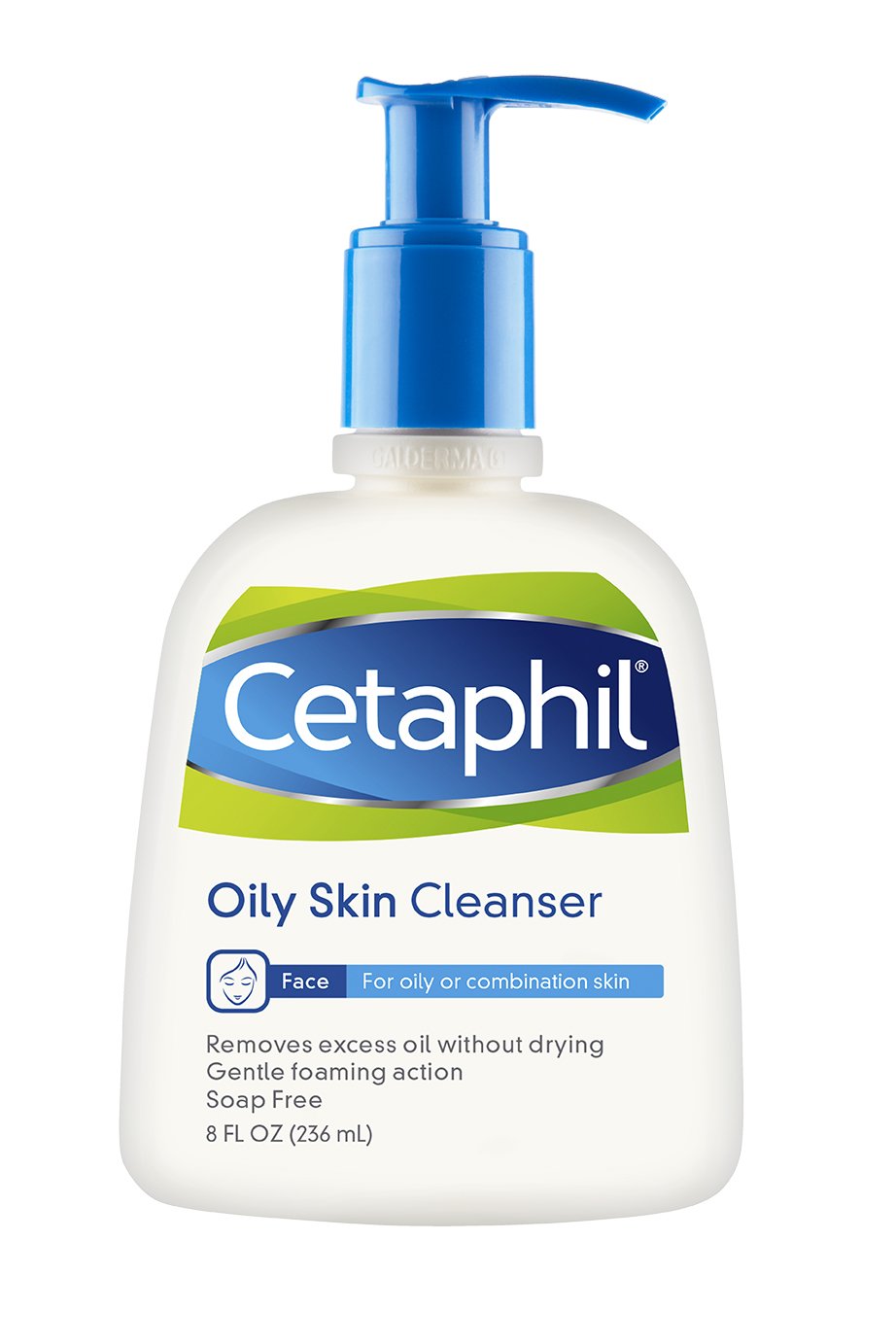
Practical approach: Gentle Skin Cleanser in winter when skin runs drier, Oily Skin Cleanser in summer when sebum ramps up. For a full plan around sensitive skin, see the sensitive skin routine.
How to use it
With or without water:
- With water (most common): Wet face with lukewarm water (never hot). Massage a generous pump for 30 to 60 seconds, rinse thoroughly, pat dry.
- Without water (very dry or eczema-prone): Apply to dry skin, massage, wipe with a soft cloth. Gentlest possible cleanse.
Twice daily, morning and night. Follow with serums and moisturiser while skin is slightly damp. Morning: finish with SPF.
Our 30-day experience
Day 1: Coming from foaming cleansers, the lack of lather takes adjusting. Skin felt clean but less tight. Needed less moisturiser.
Day 7: Used alongside an exfoliating serum with no irritation. Dry patches around mouth and cheeks calmer.
Day 30: The payoff is cumulative. Skin felt more hydrated even on lazy moisturiser days. Low-level redness we had blamed on "sensitive skin" was largely cleanser-induced. This does not transform overnight; it quietly stops damaging your face twice a day.
Verdict
Does what it says: cleanses without over-drying, suits most people who are not very oily, costs very little. Default cleanser recommendation for dry, sensitive, normal and combination skin, and the top pick to pair with irritating actives. Genuinely oily skin types should look at the gel version or a dedicated oily-skin cleanser.
Frequently asked questions
Is Cetaphil Gentle Skin Cleanser non-comedogenic?
Yes. Formulated not to clog pores, and routinely recommended for acne-prone skin for that reason. It will not treat acne; pair it with a leave-on treatment.
Can I use it every day?
Yes. Designed for twice-daily use. Mild enough that overuse is hard.
Does it remove makeup?
Light makeup, yes. Waterproof mascara, long-wear foundation and heavy SPF, no. Oil cleanser first, Cetaphil second.
Is it good for acne?
As a base cleanser, yes, because it does not clog pores or add irritation. It contains no salicylic acid or benzoyl peroxide, so it will not clear spots on its own.
Is it oil-free and water-based?
Yes. Glycerin and panthenol provide hydration rather than oils.
Can I use it on my body?
Yes. Face and body. Useful for eczema-prone or very dry body skin.
How does it compare to CeraVe Hydrating Cleanser?
Similar job: mild, fragrance-free, barrier-friendly. CeraVe leans harder on ceramides; Cetaphil is the classic cream cleanser many people already know. Either works as a second cleanse or a sole cleanse for dry and sensitive skin.