Obviously Skincare

Luxury skincare is its own world of caviar extracts, fermented kelp and creams that cost more than a month of pharmacy staples. Whatever you think of the prices, a handful of brands still sit at the top of that market through heritage, formulation theatre and the status of the jar.
The four below are the names people mean when they say "luxury skincare." Evidence for visible ageing still points hardest at sunscreen, retinoids and barrier care (retinol guide, barrier repair); these brands sell the experience around that. Here is what each is known for:
1. La Prairie
No doubt one of the most luxurious skincare and health brands out there. You'll find La Prairie items stocked at the likes of Harrods, costing sometimes upwards of £500 per formulation.
Founded in Montreux, Switzerland, the origins of the brand are from an anti-aging therapy perspective. Nowadays you'll find ingredients such as caviar infused into the formulations to lift and firm the skin. La Prairie also infuse fine fragrances into their products so you can indulge in a true at-home spa experience.
La Prairie, Skin Caviar Luxe Cream
2. La Mer
A tailored approach to skincare, La Mer was founded in 1965 by Huber. Crème de la mer was the original formulation, which literally translates to cream of the sea. Estée Lauder purchased the brand after Huber's death in 1991, which sort of explains the luxury factor.
La Mer use combinations of natural ingredients to create tailored products for all skin types.
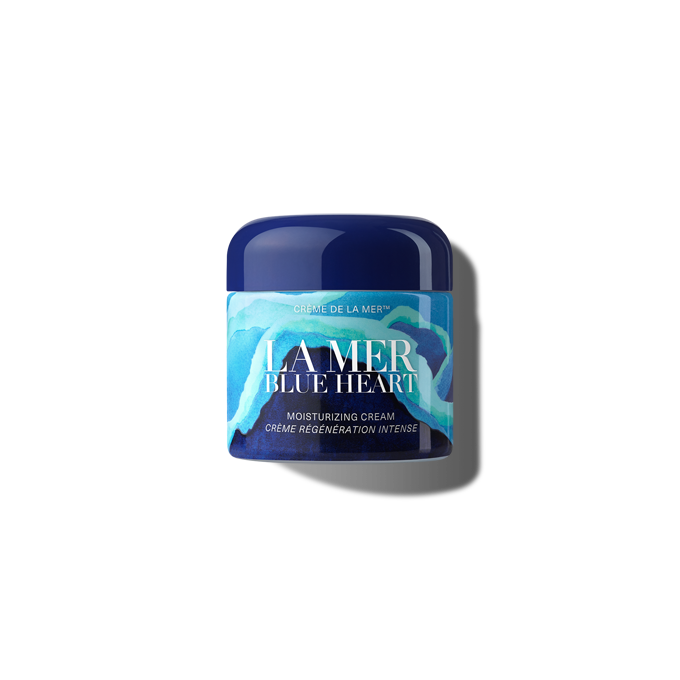
Blue Heart Crème de la Mer
Free toolSkincare cost-per-use calculatorCompare what two products really cost per use.Open the cost-per-use calculator →3. Sisley Paris
Sisley Paris is a luxury cosmetic and perfume brand founded in 1972 in Paris, France. Plants and essential oils are a core part of Sisley's formulations and harmony is achieved between nature and the lab.
Sisley's expertise is in anti-aging, hydration and sun protection and they work hard to meet the needs of all skin types.
4. Estée Lauder
While Estée Lauder perhaps isn't the most expensive brand it doesn't at all take away from the luxury factor. All of Estée Lauder's products come excellently packaged with various flashy bottles and tubs to spice up your bathroom cabinet.
Estée Lauder was founded in 1946 in New York City, USA. They're now a global giant who own many other companies (including La Mer as mentioned above). Estée Lauder produce many different lines of products for all skin types and concerns, particularly anti-aging.
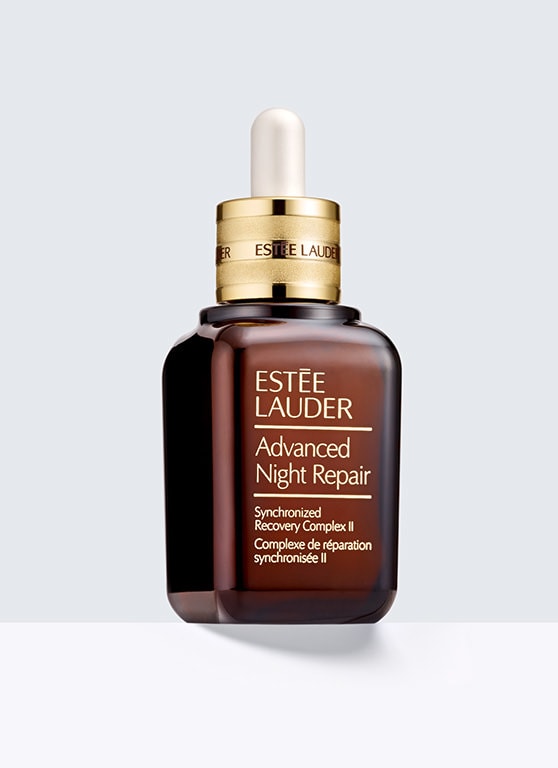
Estée Lauder Advanced Night Repair
Related guideThe Skincare Serums Worth Using and What They Actually DoA plain-English guide to skincare serums: what AHAs, BHA, retinoids, hyaluronic acid, vitamin C, niacinamide and peptides actually do, and how to pick one.Read the guide →Is luxury skincare actually worth it?
The honest answer: you're paying for three things, and only one of them touches your skin. First, the formulation itself, which at this level genuinely is excellent: elegant textures, fine fragrances, stable actives and rigorous testing. Second, the experience: the weight of a La Prairie jar and the ritual of using it are real pleasures, and there's nothing wrong with paying for pleasure. Third, the brand: heritage, packaging and prestige, which is where most of the margin lives.
What luxury prices don't reliably buy is better results. The ingredients with the strongest anti-aging evidence (retinoids, vitamin C, niacinamide, SPF and good moisturisation) are all available in excellent budget formulations; The Ordinary sells versions of most of them for under £10, and our retinol guide covers the one ingredient that out-performs everything in this list. A £355 Crème de la Mer is a beautiful moisturiser, but it is still, functionally, a moisturiser.
Our advice: build your results from proven actives at whatever price point suits you, and if a luxury piece brings you joy, add it as the treat it is. Skincare you love using is skincare you'll use consistently, and consistency is the real luxury.
What you're paying for
| Brand | Signature ingredient or idea | What the evidence says | Proven alternative |
|---|---|---|---|
| La Prairie | Caviar extract, "cellular complex" | Little independent clinical evidence for caviar extract on skin | A good moisturiser plus a retinoid and SPF |
| La Mer | "Miracle Broth" (fermented sea kelp) | Mainly the brand's own research; the base is a rich, occlusive cream | A rich ceramide cream or petrolatum-based balm |
| Sisley Paris | Plant extracts and essential oils | Plant extracts have mostly lab evidence; essential oils can irritate sensitive skin | Fragrance-free moisturiser and a proven active |
| Estée Lauder | Advanced Night Repair (bifida ferment lysate, hyaluronic acid) | Hyaluronic acid hydrates well; other claims rest on brand studies | A hyaluronic acid serum and moisturiser |
None of these brands are bad. Their formulations are generally elegant and well tested. But the ingredients with the strongest independent evidence for visible ageing are inexpensive.
Where the evidence actually is
| Step | Ingredient | Strength of evidence | Typical cost |
|---|---|---|---|
| Prevent ageing | Daily broad-spectrum sunscreen | Strong: daily users showed no detectable increase in skin ageing over 4.5 years | Under £20 |
| Treat fine lines | Retinoids | Strong | Under £15 |
| Brighten, protect | Vitamin C | Moderate | Under £20 |
| Calm, even tone | Niacinamide | Moderate | Under £10 |
| Barrier and comfort | Moisturiser with glycerin, ceramides | Good | Under £20 |
A study of best-selling moisturisers found prices varied by more than 9,000% per ounce, and that marketing claims such as "dermatologist recommended" were linked with higher prices rather than fewer allergens. Price isn't a reliable guide to what's inside.
If you love luxury skincare
- Spend on the product you'll use most and enjoy most, often a moisturiser or sunscreen.
- Keep your actives proven, whatever the price.
- Check the ingredients list, not the story. Our ingredients list checker shows what each ingredient does.
- Watch for fragrance if your skin is sensitive. Many luxury products are heavily fragranced.
- Use samples before committing to full sizes.
See are skincare products a waste of money and good skincare under £20.
References
- Hughes MC, Williams GM, Baker P, et al. Sunscreen and prevention of skin aging: a randomized trial. Ann Intern Med. 2013;158(11):781-90. (https://pubmed.ncbi.nlm.nih.gov/23732711/)
- Xu S, Kwa M, Lohman ME, et al. Consumer Preferences, Product Characteristics, and Potentially Allergenic Ingredients in Best-selling Moisturizers. JAMA Dermatol. 2017;153(11):1099-1105. (https://pubmed.ncbi.nlm.nih.gov/28877310/)
- Mukherjee S, Date A, Patravale V, et al. Retinoids in the treatment of skin aging: an overview of clinical efficacy and safety. Clin Interv Aging. 2006;1(4):327-48. (https://pubmed.ncbi.nlm.nih.gov/18046911/)
FAQs
Is La Mer worth the money?
It's a rich, pleasant moisturiser. There's no strong independent evidence it outperforms well-made cheaper creams.
What's the most expensive skincare brand?
La Prairie is among the most expensive widely sold brands, with some creams costing several hundred pounds.
Does expensive skincare work better?
Not reliably. The best-proven ingredients are available cheaply. Price usually reflects texture, packaging and brand.