Obviously Skincare

Tretinoin is the same drug whether it comes as a cream or a gel. What changes is the base it's dissolved in, and the base affects how it feels, how quickly it's absorbed and how much it dries your skin. As a rule, cream suits normal, dry and sensitive skin, and gel suits oily and acne-prone skin. Your prescriber chooses the form, and it's worth knowing why.
The difference in one table
| Cream | Gel | |
|---|---|---|
| Base | Oil-in-water emulsion with emollients | Water or alcohol-based, oil-free |
| Feel | Moisturising, slightly rich | Light, dries quickly, can sting |
| Absorption | Slower | Faster |
| Drying and irritation | Less | More |
| Best for | Normal, dry, sensitive, mature skin | Oily, acne-prone skin |
| Typical use | Anti-ageing; acne in drier skin | Acne |
| Under moisturiser and sunscreen | Can feel heavy if skin is oily | Layers easily |
Why the base matters
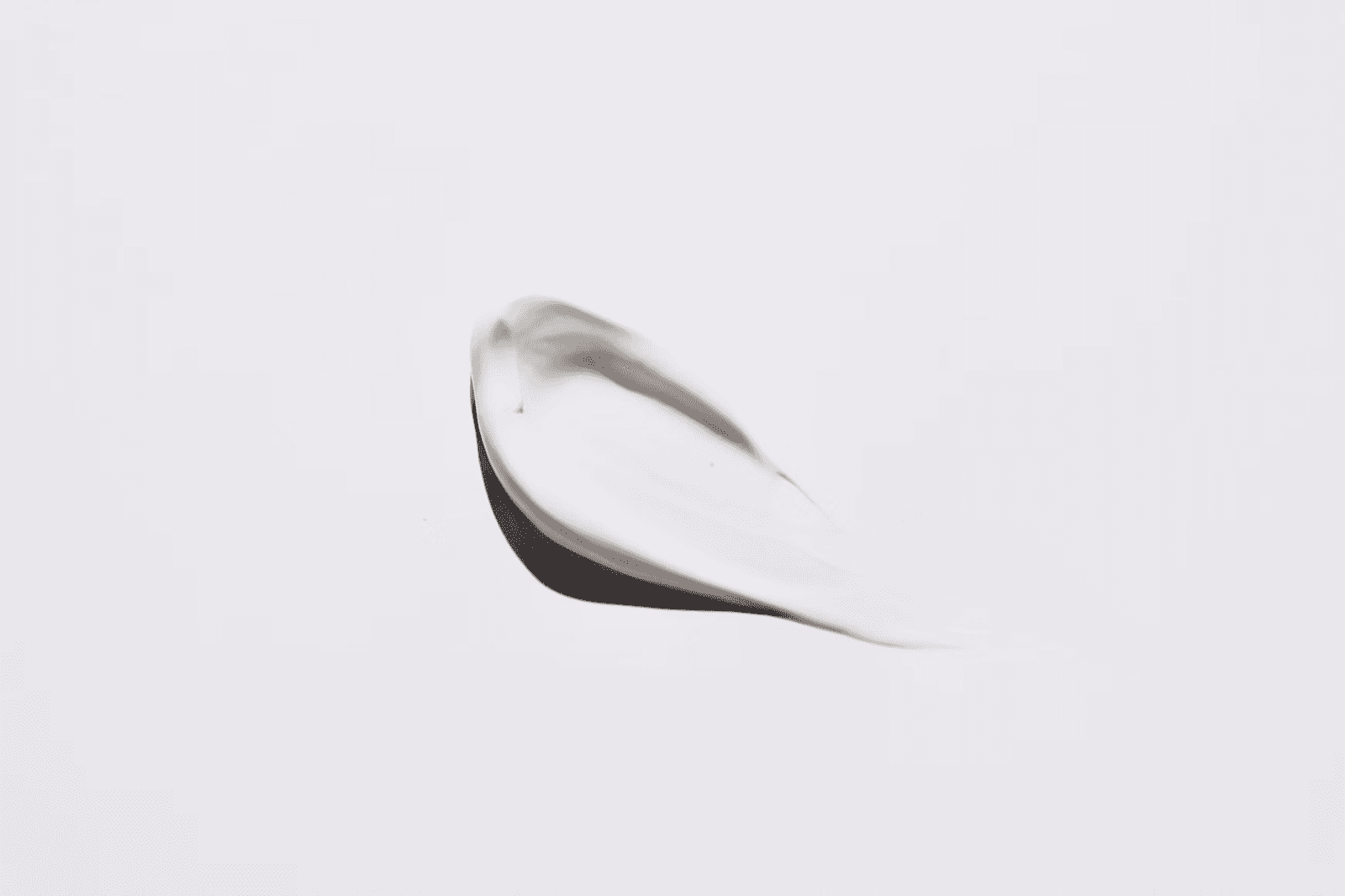
Cream contains oils and moisturising ingredients. They cushion the tretinoin and slow its delivery a little, which makes the first weeks more comfortable. Some cream bases include ingredients that can feel heavy on oily skin, though tretinoin itself works against clogged pores.
Gel has no oil. Many gels contain alcohol, which helps the drug penetrate and evaporates quickly, leaving nothing on the skin. That suits oily skin, and it's also why gels sting more and dry the skin more. The same percentage in a gel tends to be more irritating than in a cream.
So strengths don't compare directly across forms. A 0.025% gel can feel stronger than a 0.025% cream. If you're switched from one to the other, treat it as a new product: drop back to two or three nights a week and build up again.
Free toolRetinol starter scheduleGet a week-by-week plan for starting retinol.Open the retinol schedule →Other forms you may come across
- Microsphere gel. The tretinoin is held in tiny sponge-like particles that release it gradually. It's designed to be less irritating than standard gel, and it's widely used in the United States.
- Lotion. A lighter, more moisturising base, also mainly a US product.
- Combination gels. Tretinoin with an antibiotic, used for acne.
What's available in the UK
Tretinoin is prescription-only. On the NHS, GPs prescribe it for acne mostly as a combination gel with the antibiotic clindamycin. NICE lists that combination among its first-line options. Tretinoin on its own, and tretinoin for anti-ageing, usually comes through a private dermatologist or a regulated online prescribing service, which typically supplies a cream.
That means the choice may be made for you by what your prescriber can supply. If the form you're given doesn't suit you, say so. See how to use tretinoin.
Related guideAdapalene vs Tretinoin: Which Retinoid Is Better for Acne and Ageing?Adapalene and tretinoin are both prescription retinoids in the UK. How they compare for acne, wrinkles, irritation and stability.Read the guide →Which is better for acne?
Gel is the traditional choice for oily, acne-prone skin, because it adds no oil. There's no good evidence that one base clears acne better than the other at an equivalent dose. What matters most is whether you can keep using it. If a gel leaves your skin raw and you stop after a month, a cream you tolerate will do far more.
Topical retinoids are a core treatment for acne in guidelines because they prevent the blocked pores that start every spot.
Which is better for wrinkles and sun damage?
Cream, for most people. Skin being treated for ageing is usually drier, and the trials of tretinoin for sun-damaged skin mostly used cream formulations. A gel works too if your skin is oily.
Which is gentler?
Cream. If you have sensitive skin, eczema-prone skin or rosacea, ask about a cream at the lowest strength, and whether tretinoin is the right retinoid at all. Adapalene is generally better tolerated. See adapalene vs tretinoin.
How to use either form
- Cleanse in the evening and pat dry.
- Wait until your skin is fully dry. This matters more with gel.
- Apply a pea-sized amount to the whole face, avoiding the eyes, nostrils and lips.
- Moisturise. With gel, give it a few minutes to dry first.
- SPF 30 or higher every morning.
Start two or three nights a week unless told otherwise.
Making a gel more tolerable
- Apply moisturiser first, let it absorb, then the gel, then moisturiser again. See the retinol sandwich method.
- Use a richer moisturiser at night.
- Use it less often.
- Stop other drying products: acids, benzoyl peroxide on the same night, foaming cleansers.
- If it's still too much, ask your prescriber about a cream or a lower strength.
Making a cream work for oily skin
- Use a light gel moisturiser in the morning, and skip extra moisturiser at night if the cream is enough.
- Use a gentle foaming cleanser.
- If you break out more after several weeks, mention it. A different base may suit you better.
What to expect either way
Dryness, peeling and sometimes a flare of spots in the first weeks, settling by 8 to 12 weeks. See tretinoin purge and retinol burn.
Don't use tretinoin in pregnancy or when trying to conceive.
References
Leyden J, Stein-Gold L, Weiss J. Why topical retinoids are mainstay of therapy for acne. Dermatol Ther (Heidelb). 2017;7(3):293-304. (https://pubmed.ncbi.nlm.nih.gov/28585191/)
Weiss JS, Ellis CN, Headington JT, Tincoff T, Hamilton TA, Voorhees JJ. Topical tretinoin improves photoaged skin. A double-blind vehicle-controlled study. JAMA. 1988;259(4):527-532. (https://pubmed.ncbi.nlm.nih.gov/3336176/)
National Institute for Health and Care Excellence. Acne vulgaris: management. NICE guideline NG198. (https://www.nice.org.uk/guidance/ng198)
FAQs
Is tretinoin cream or gel better?
Cream for dry, sensitive or mature skin; gel for oily, acne-prone skin.
Is tretinoin gel stronger than cream?
At the same percentage it's usually more irritating, because the gel base delivers the drug faster.
Can I switch from tretinoin gel to cream?
Which is better for acne?
Gel is the usual choice for oily skin. Either works if you can tolerate it.
Which is better for wrinkles?
Cream, for most people.