
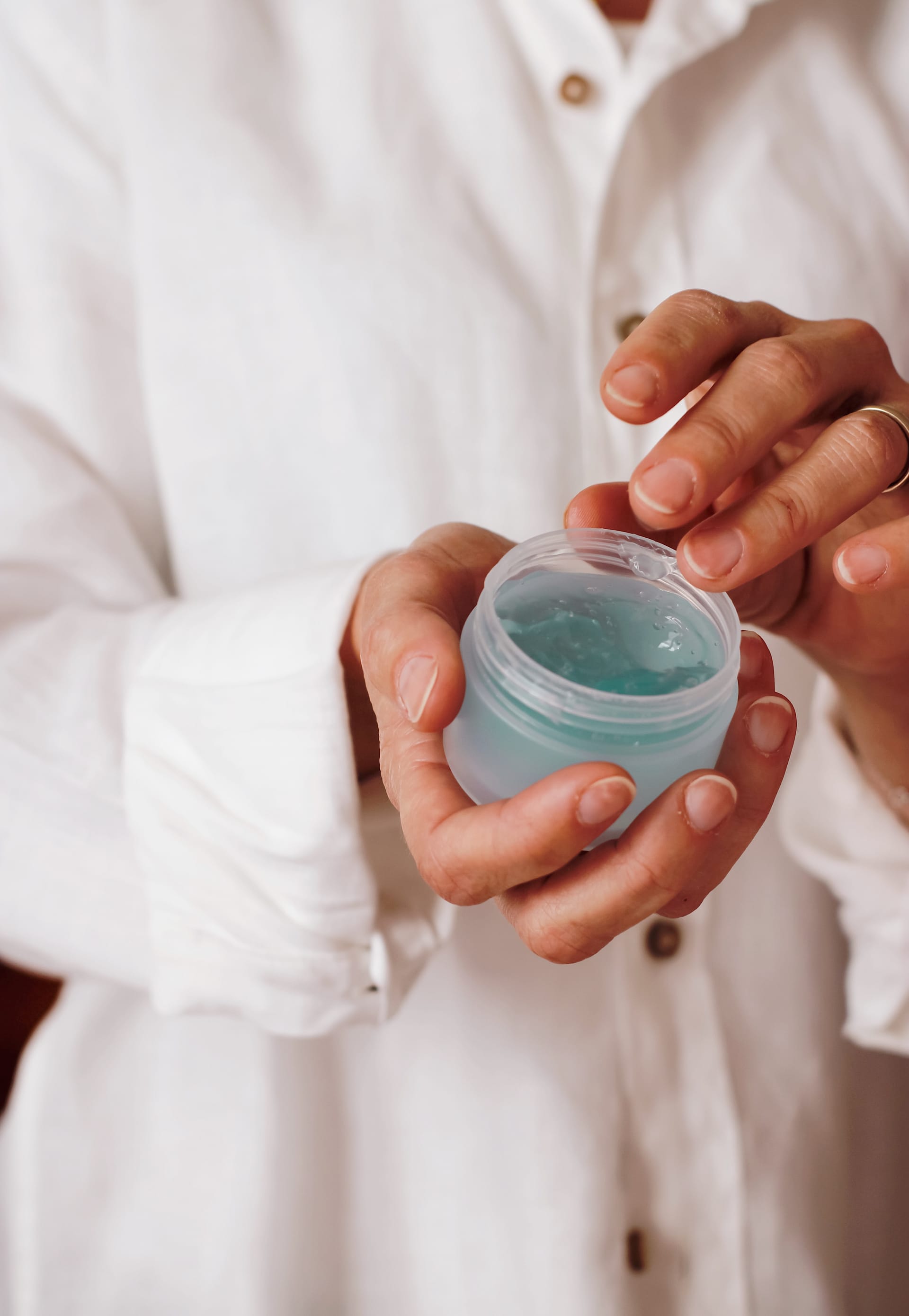
Slugging is one of the few viral skincare trends that dermatologists actually approve of. This simple and inexpensive method involves applying a thin layer of petroleum jelly (Vaseline) or a similar occlusive over your finished skincare routine before bed. It sounds counterintuitive to put something that thick on your face, but for dry and dehydrated skin the results can be genuinely impressive. The name, if you're wondering, comes from the slimy, slug-like sheen it leaves overnight. Glamorous.
What is slugging?
Slugging is a technique where you apply a thin layer of an occlusive moisturiser, most commonly petroleum jelly, as the final step of your evening routine. The idea is to create a seal that stops the moisture in your skin (and the products underneath) from evaporating overnight. It's borrowed from K-beauty circles, though petroleum jelly on dry skin is a trick dermatologists and grandparents have recommended for decades.
How does slugging work?
Your skin has a natural barrier made of lipids and proteins that holds water in and keeps irritants out. When that barrier is compromised, by harsh products, over-exfoliation, cold weather or just genetics, water escapes through the skin overnight (called trans-epidermal water loss), leaving it dehydrated, sensitive and inflamed.
Petroleum jelly is the most effective occlusive we have, reducing water loss through the skin by up to 99%. A thin layer overnight essentially gives your barrier a protected window to repair itself while everything underneath stays hydrated. If your barrier needs more than an overnight fix, our skin barrier repair guide covers the full recovery routine.
Benefits of slugging
- Deep hydration: by preventing overnight water loss, skin wakes up plump, soft and noticeably less tight.
- Barrier protection: the seal gives a stressed or damaged barrier time to repair without further moisture loss.
- Soothes dry, irritated skin: flaky patches, wind-chapped cheeks and post-retinol dryness all respond well.
- Softens fine lines: well-hydrated skin shows fine lines less. It's a temporary plumping effect, not collagen rebuilding, but it's visible.
- Boosts your other products: the occlusive layer keeps the hydrating serums underneath in contact with your skin all night.
How to slug (properly)
- Cleanse thoroughly. Trapping the day's dirt and sunscreen under an occlusive seal is how slugging goes wrong.
- Apply hydrating products. This step matters more than people realise: occlusives seal in what's underneath, so a humectant like hyaluronic acid on damp skin, then a light moisturiser, gives the seal something to hold onto.
- Skip the strong actives. Don't slug over retinoids or exfoliating acids. Sealing them in intensifies them and is a fast route to irritation. Slug on your off nights instead.
- Apply a thin layer of petroleum jelly. A pea-sized amount for the whole face is plenty. You want a sheen, not a mask.
- Sleep, then cleanse. Rinse off in the morning with a gentle cleanser. An old pillowcase helps; this is not a trend your bedding enjoys.
You don't need to slug nightly. One to three nights a week is plenty for most people, or just during winter and dry spells.
Who should skip slugging?
Oily and acne-prone skin, mostly. Petroleum jelly itself is non-comedogenic (its molecules are too large to enter pores), but the seal traps everything under it, including sebum and bacteria, and that environment can trigger breakouts in acne-prone skin. If that's you but you still want the barrier benefits, slug only dry areas like cheeks, or skip it entirely; fungal acne sufferers in particular tend to flare under occlusion. And if you have an active breakout, wait for it to settle first.
To conclude
Slugging is a cheap, effective way to fix overnight moisture loss: cleanse, hydrate, seal with a thin layer of petroleum jelly, and wake up with plumper, calmer skin. It's best suited to dry, dehydrated and barrier-damaged skin, used a few nights a week over hydrating products and never over strong actives. Oily and acne-prone skin types are the one group who should sit this trend out.