
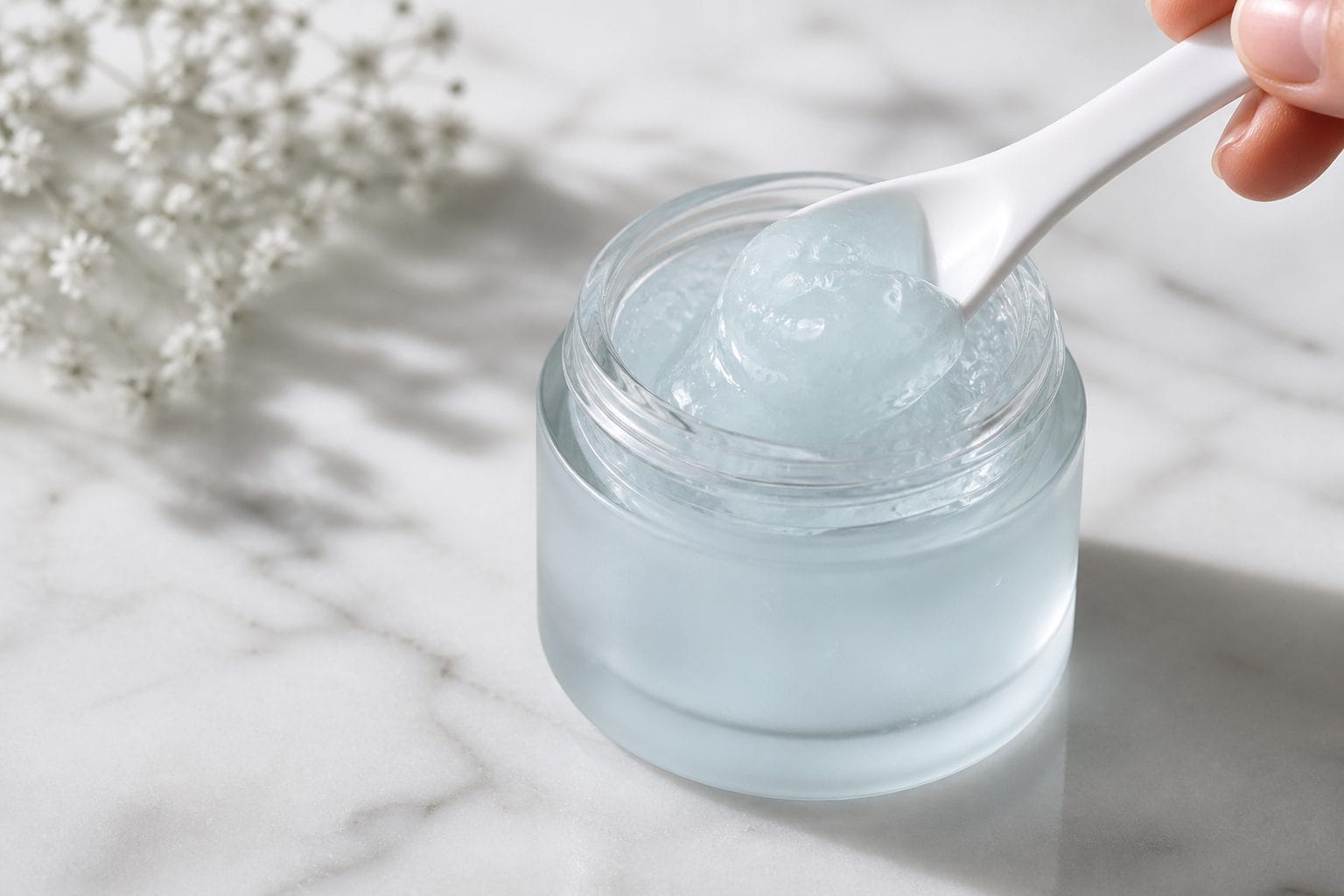
Putting moisturiser on an already shiny face can feel illogical. I understand why people skip it, especially when so many creams seem designed to leave a glossy film. But oily skin still loses water, and acne treatments, cold weather and over-cleansing can make that worse.
The answer is not to abandon moisturiser. It is to use less of a lighter, well-formulated one. These are the products I would shortlist for a complete oily-skin routine, based on formula, finish, UK availability and price rather than promises about “detoxing” pores.
Quick picks
- Best overall: CeraVe PM Facial Moisturising Lotion
- Best gel: Neutrogena Hydro Boost Water Gel Moisturiser
- Best for skin dried by acne treatment: La Roche-Posay Effaclar H Iso-Biome
- Best budget: The Ordinary Natural Moisturizing Factors + Beta Glucan
- Best for sensitive oily skin: Cetaphil Daily Hydrating Moisturiser
- Best for blemish-prone skin: Paula's Choice CLEAR Oil-Free Moisturizer
All six are lightweight, non-comedogenic or explicitly designed for blemish-prone skin, and easy to buy in the UK. “Non-comedogenic” is not a regulated guarantee that no individual will break out, but it is a more useful starting point than an “all natural” label.
Why oily skin still needs moisturiser
Oil and water are different. Sebaceous glands produce oil, while the skin barrier limits water loss. Your face can therefore be oily and dehydrated at the same time: shiny on the forehead, yet tight or flaky around the mouth.
A moisturiser supplies humectants such as glycerin or hyaluronic acid to hold water, plus a modest amount of emollient or occlusive material to slow evaporation. It also supports the barrier after cleansing or acne treatments. If you strip that barrier repeatedly, skin becomes irritated; it may look oilier, although the popular claim that every dry face automatically “overproduces” oil is too simplistic.
Ingredients matter more than the word gel. I look for glycerin, hyaluronic acid, panthenol, niacinamide and light silicones. Ceramides can also be useful; my guide to why ceramides matter explains their barrier role. I avoid very rich butters and heavily fragranced formulas when pores clog easily.
The best moisturisers for oily skin
1. CeraVe PM Facial Moisturising Lotion
This is my best all-rounder because it balances a light lotion texture with a proper barrier-focused formula. It contains glycerin, hyaluronic acid, three ceramides and niacinamide, without fragrance. Despite “PM” in the name, there is nothing that prevents daytime use; just put sunscreen over it.
The finish is moisturised rather than aggressively matte. That suits most oily and combination skin, though someone who wants a barely-there gel may prefer The Ordinary pick below. Niacinamide may also help with sebum and redness over time, but moisturiser is not an acne treatment. Read my evidence-based niacinamide guide before expecting dramatic pore changes.
2. Neutrogena Hydro Boost Water Gel Moisturiser
Hydro Boost is the cooling, quick-absorbing option for a face that feels tight but hates cream. Its water-gel base uses humectants, including hyaluronic acid, to hydrate without a heavy residue. It sits neatly beneath SPF and makeup and is easy to find in Boots and larger supermarkets.
Check the exact version before buying because names and formulas have changed. I favour a fragrance-free face gel where available. Very dehydrated skin may find a gel alone insufficient in winter, but that is a reason to switch texture seasonally, not to apply three layers of it.
3. La Roche-Posay Effaclar H Iso-Biome
Effaclar H is aimed at oily, blemish-prone skin made uncomfortable by drying treatments. That makes it particularly sensible alongside benzoyl peroxide, adapalene or prescription acne medication. Glycerin, niacinamide and panthenol support hydration and comfort, while the cream-gel texture is more cushioning than a basic water gel.
It is not the most mattifying option here, and it costs more per millilitre than CeraVe. I would pay the difference when skin is flaky or stinging from treatment, not simply because the pharmacy branding sounds clinical.
4. The Ordinary Natural Moisturizing Factors + Beta Glucan
This is The Ordinary moisturiser I would choose for oily skin. It is a thin, oil-free gel with beta glucan and components that mimic the skin's natural moisturising factors. It absorbs quickly, has no added fragrance and costs little enough to use consistently.
Its strength is simple hydration; it does not claim to control spots. It can also feel too light for dry cheeks, so combination skin may need a second layer only in those areas. The brand's Natural Moisturizing Factors + HA is a richer cream and a better winter alternative.
5. Cetaphil Daily Hydrating Moisturiser
Cetaphil's light facial moisturiser is a straightforward choice for sensitive, oily skin. The formula centres on humectants and hyaluronic acid, with an oil-free, non-comedogenic positioning. It gives slip without the dense finish of a traditional skin care cream for oily skin.
There is little excitement here, which I count as a benefit. If your treatments do the active work, moisturiser only needs to hydrate without causing trouble. As always, check the current UK label if you have a known allergy, since formulas can change.
6. Paula's Choice CLEAR Oil-Free Moisturizer
This lotion is designed for blemish-prone skin and combines niacinamide, ceramides and soothing plant-derived ingredients in a light base. It is comfortable enough for night but generally does not leave the waxy layer associated with richer barrier creams.
The drawback is value. CeraVe PM covers much of the same territory for less, so I would choose CLEAR mainly if you already know Paula's Choice textures suit you. Expensive does not mean less comedogenic.
How to choose the right texture
Choose a water gel if your main issue is shine and you rarely feel tight. Pick a lotion or cream-gel if acne treatments cause dry patches, or if your cheeks are normal while your T-zone is oily. For genuinely dry, flaky skin, these may not be enough; my dry-skin moisturiser picks use richer occlusives for a different job.
Apply roughly a pea-sized amount after a gentle cleanser for oily skin, while the face is slightly damp. Add one of the best serums for oily skin first if it addresses a real concern, but do not turn hydration into a seven-step routine. In the morning, finish with a compatible SPF for oily skin.
If products pill, use less and give each layer a minute to settle. Silicone is not “suffocating” the skin; pilling is usually a formula compatibility or quantity problem.
References
Youn SW. The role of facial sebum secretion in acne pathogenesis: facts and controversies. Clin Dermatol. 2010;28(1):8-11. (https://pubmed.ncbi.nlm.nih.gov/20082943/)
Draelos ZD, Matsubara A, Smiles K. The effect of 2% niacinamide on facial sebum production. J Cosmet Laser Ther. 2006;8(2):96-101. (https://pubmed.ncbi.nlm.nih.gov/16766489/)
FAQs
Which moisturiser is best for oily skin?
CeraVe PM is my best overall choice because it is light, fragrance-free and combines humectants with ceramides and niacinamide. For the lightest gel finish, try The Ordinary Natural Moisturizing Factors + Beta Glucan.
Should I moisturise if I have oily, acne-prone skin?
Yes. A light moisturiser reduces water loss and makes drying acne treatments easier to tolerate. It will not make acne worse simply because it moisturises; choose a non-comedogenic gel, lotion or cream-gel and apply a modest amount.
Is gel or cream better for oily skin?
Gel usually feels better on very oily skin, while a cream-gel or light lotion gives more barrier support. The formula matters more than the label, so look for humectants, minimal fragrance and a finish you will use every day.
Can moisturiser make my face more oily?
A rich formula or too much product can add surface shine. That does not necessarily increase sebum production. Switch to a lighter product, use a pea-sized amount and allow it to settle before sunscreen rather than skipping hydration entirely.
Is an oil-free moisturiser always necessary?
No. Some oils and emollients are well tolerated, and “oil-free” does not guarantee a product cannot clog your pores. Still, an oil-free gel is a practical low-risk starting point if you are very shiny or easily congested.