
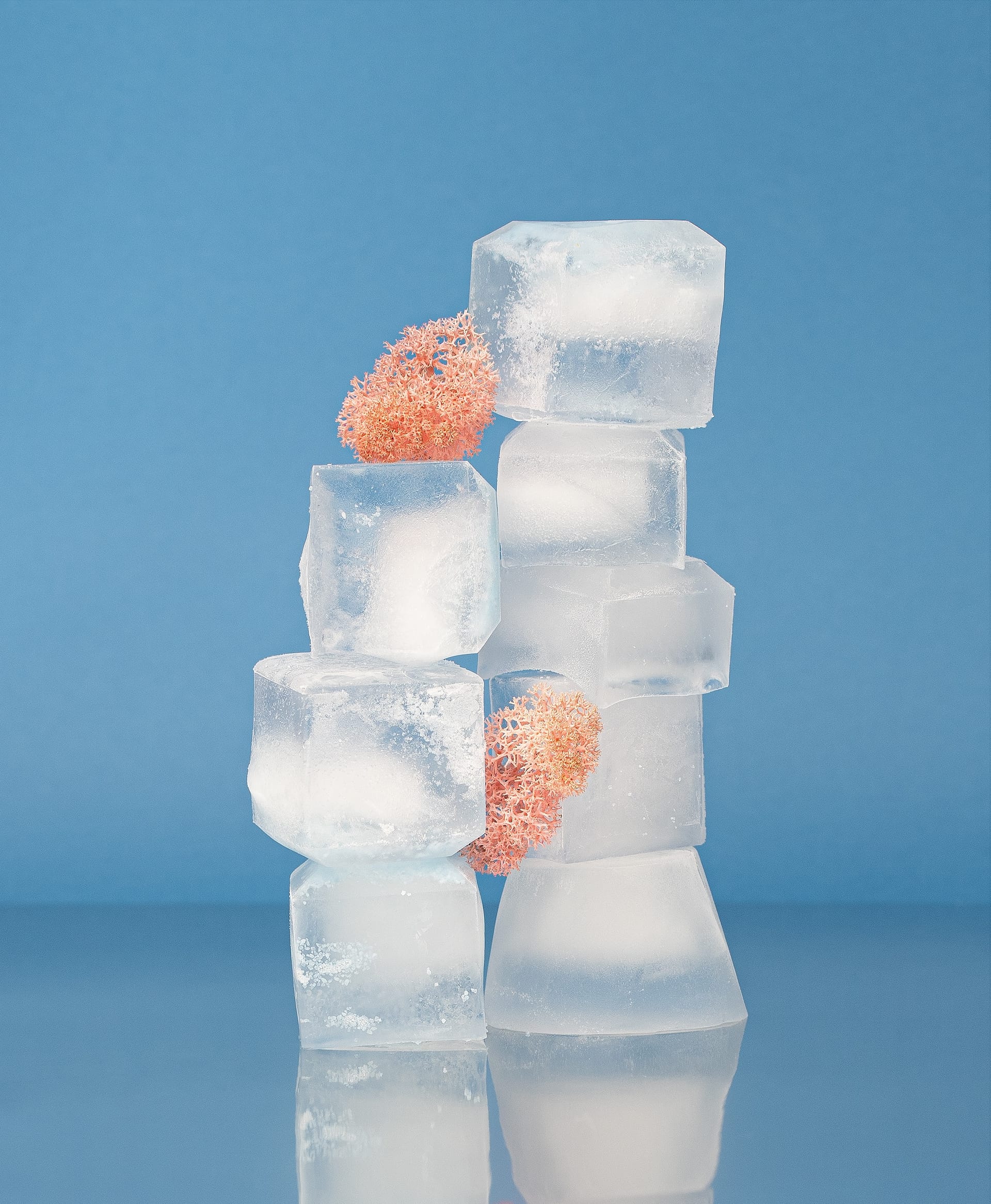
The word cryo derives from the Ancient Greek word krúos, which translates to icy, cold, chill or frost. Cryotherapy, also known as Cold therapy, is the use of liquid nitrogen in order to expose the body to extremely cold temperatures for a short period of time (usually several minutes). Cryotherapy is administered through standing in an enclosed chamber or a small enclosure which surrounds the body. This form of therapy has been used to minimise muscular pains/spasms, improve recovery, reduce cellular aging and to improve general health. Whilst Cryotherapy is for the whole body, Cryofacials use the same technique but target the face instead. Read on to find out why these facials are the secret to younger looking skin.
What to expect during a cryofacial
During the treatment, liquid nitrogen is sprayed over the face using specialised instruments in order to expose the skin to temperatures up to minus 128 and 184 degrees Celsius respectively. Most individuals experience a rather pleasant and relaxing sensation throughout the process and come out with a radiant glow, reduced redness and overall improvement in the quality of their skin.
So, what are the benefits of cryofacials?
With aging comes the breakdown of collagen and elastin, the two structural proteins that give skin it's shape and rigidity. The breakdown of these proteins is what leads to skin sagging and wrinkle formation.
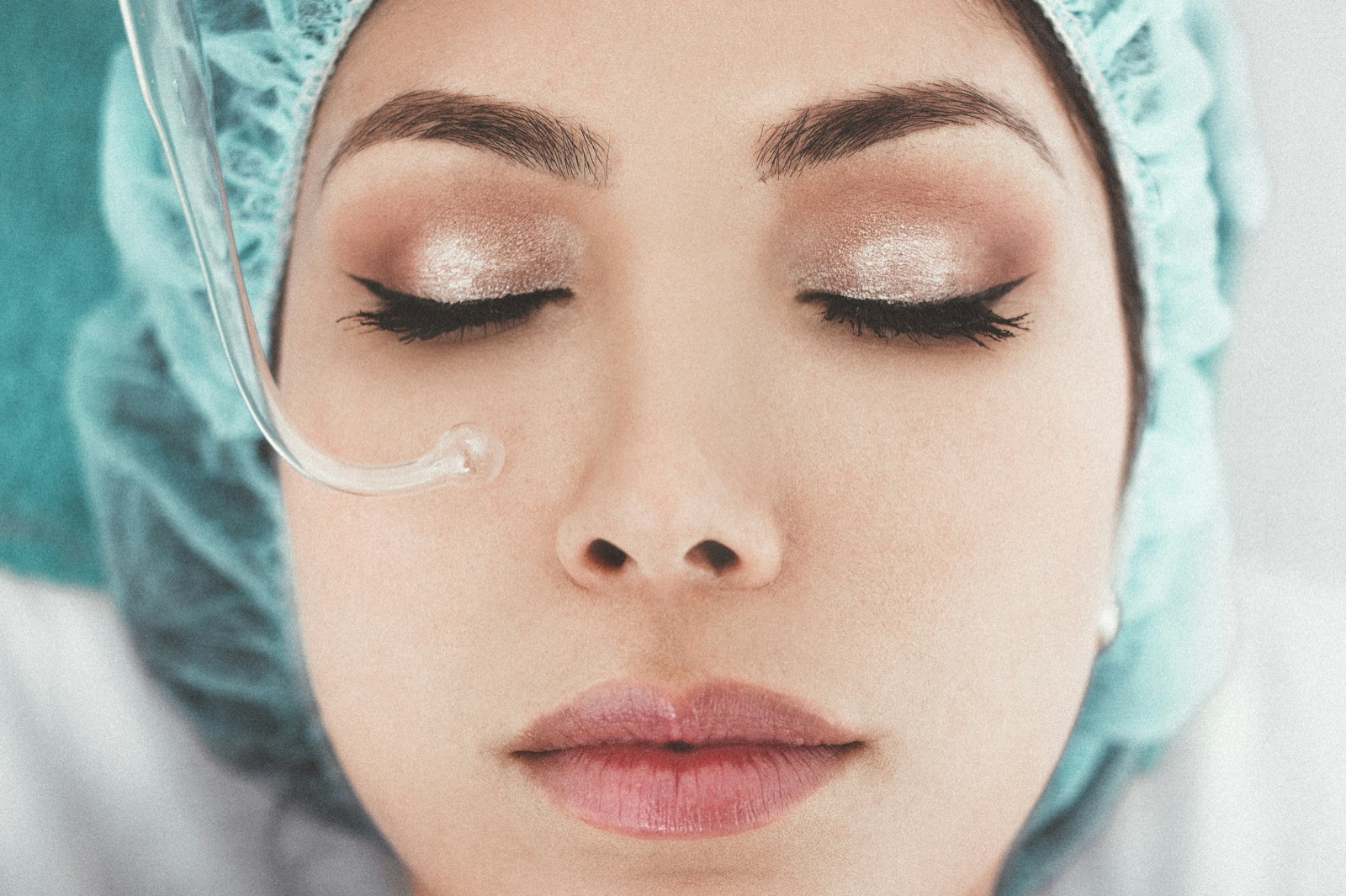
Photo by karelys Ruiz on Unsplash
Reduction of wrinkles
Cryotherapy stimulates the production of collagen, the protein responsible for firm, youthful skin, it also boosts cell turnover. By doing so, the appearance of fine lines and wrinkles can be minimised, and the aging process can be slowed down and reversed.
Shrinkage of Pores
While pore size is often determined genetically, aging and sun damage also have a significant impact on their size. Loss of elastic tissue often leads to the expansion of pores which can be unsightly. As cryotherapy stimulates collagen production, the skin around the pores will be firmer, minimising their appearance.
Radiant and Healthy Skin
As the body goes into a slight shock from the sub-zero temperature exposure, it begins to trigger a survival instinct whereby blood flow is redirected primarily to vital organs to stabilise internal body temperature. As the treatment comes to an end, nutrient enriched blood flows back to your face which results in the skin replacing dead cells with new cells leading to radiant skin post treatment. Along with more radiant skin, the production of new skin cells allows for a reduction in pigmentation (i.e. acne, skin damaged from the sun and age spots) and also chronic skin conditions (i.e. dermatitis, eczema and psoriasis) which are often harder to treat with more traditional methods and ointments.
What to look out for…
As with all treatments there are areas to look out for. Treatments will require follow up sessions in order to maintain the true benefits of the cryofacial, weekly or bi-weekly is recommended which may add up to quite a sum. A single session typically runs £40 to £100 in the UK, so a maintenance schedule can easily reach several hundred pounds a month. Results also vary from one individual to another, and it's worth knowing that the clinical research on cryofacials specifically is still thin; most of the claimed collagen benefits are extrapolated from whole-body cryotherapy studies rather than proven for the facial treatment itself.
A few people should skip cryofacials entirely: anyone with cold urticaria (hives triggered by cold), Raynaud's, very reactive rosacea, or uncontrolled blood pressure conditions. A reputable clinic will screen for these before treating you; be wary of one that doesn't.
Can you get the benefits at home?
Honestly, a decent chunk of them, yes. The core mechanism (cold constricting blood vessels, followed by a rush of fresh blood as the skin rewarms) doesn't require liquid nitrogen:
- Ice rollers and cold globes: kept in the freezer or fridge, rolled over clean skin for five minutes in the morning. Great for de-puffing and a temporary glow.
- The cold spoon trick: two spoons in the freezer overnight, pressed gently under the eyes, remains the best free de-puffer there is.
- Cold water finishes: ending your morning rinse with cool water gives a milder version of the same vasoconstriction effect. Our piece on cold showers and skin benefits covers this in more depth.
The professional treatment reaches far colder temperatures and feels fantastic, but if your goal is de-puffed, glowing skin rather than a spa experience, the home versions deliver a surprising share of the result for roughly none of the price.
The verdict
Cryofacials are a pleasant, low-risk treatment that reliably delivers short-term glow, reduced puffiness and calmer-looking skin, and they may support collagen with repeated sessions. But they're a maintenance treatment rather than a transformation, the strongest evidence is still borrowed from body cryotherapy, and daily fundamentals (SPF, retinoids and sleep) will out-perform them for long-term youthfulness at a fraction of the cost. Enjoy one as a treat; just don't fund one instead of sunscreen.