
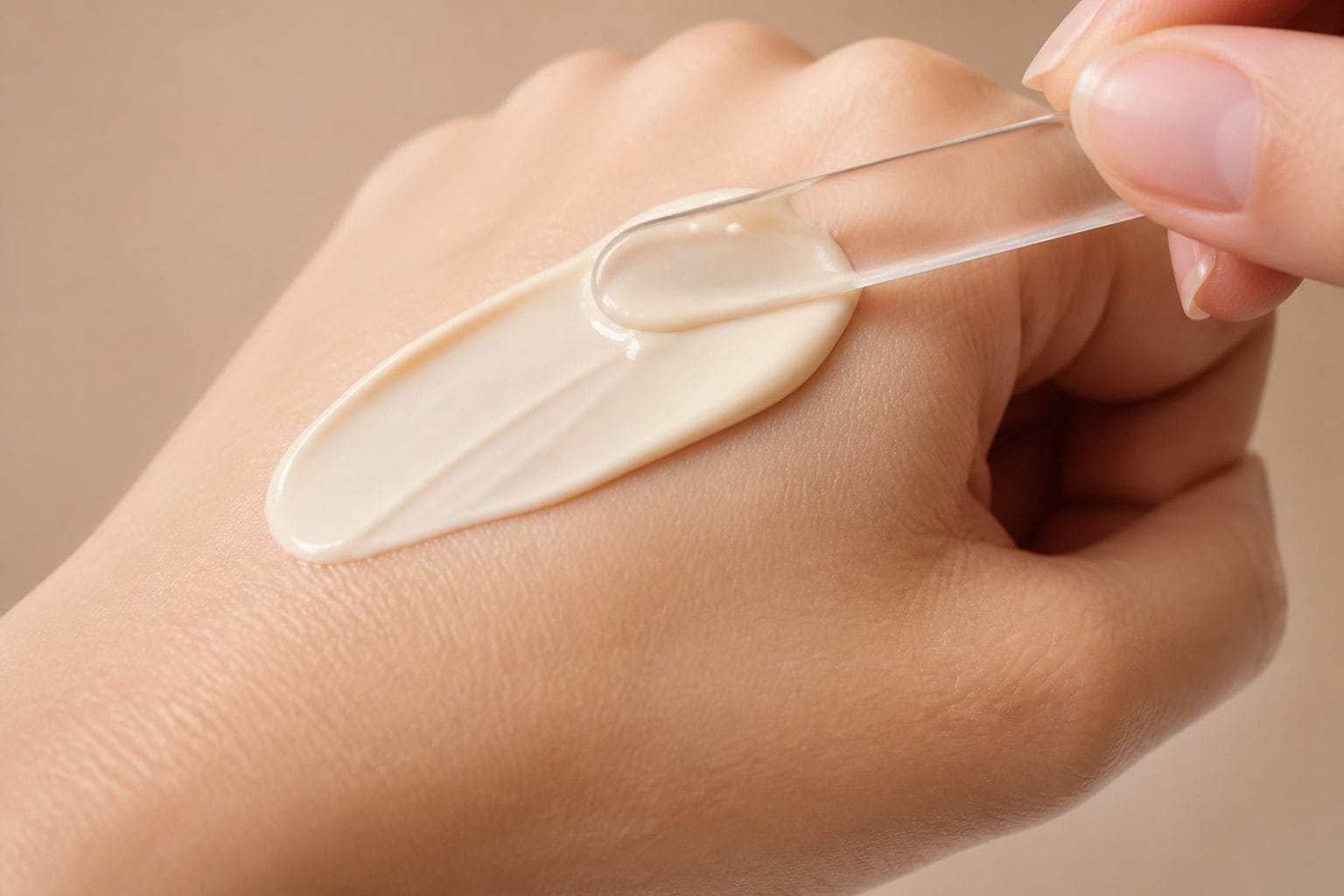
The Ordinary Azelaic Acid Suspension 10% is one of the cheapest ways to try azelaic acid in the UK. The active can help mild acne, redness and post-spot marks. The product delivering it is less lovable: a thick silicone suspension that can pill beneath other layers.
I rate it as an affordable entry point, not an elegant equivalent to prescription treatment. For the ingredient science, read my guide to what azelaic acid does and how to use it.
Quick verdict
It is worth trying if you want an inexpensive, fragrance-free product for mild blemishes, redness or dark marks and do not mind a primer-like texture.
It earns a place among the best The Ordinary products, but I would not fight the tube if pilling stops you using it. A thinner alternative may be better value in practice.
What is in the formula?
Azelaic acid is suspended at 10% in a silicone-led base. This solves the difficulty of dissolving the ingredient but produces an opaque cream rather than a watery serum.
Dimethicone gives slip and a matte, primer-like film; it does not “suffocate” skin. The fragrance-free formula may feel powdery or faintly gritty, and its film can rub against other layers and pill.
Texture and pilling: the honest complaint
This product is thick, and a pea-sized amount is enough. Spread a thin film rather than massaging repeatedly; the more you rub, the more likely it is to roll up.
Pilling usually happens because:
- too much suspension has been applied;
- the serum underneath is still wet or tacky;
- several silicone- or polymer-heavy products are layered;
- moisturiser or sunscreen is rubbed vigorously over the top;
- makeup is applied before the layers have settled.
I find it easiest to keep the routine short and use it at night. For morning use, apply very little, wait a few minutes and press on sunscreen. Some combinations still will not cooperate, which is a fair reason to switch formula.
The Ordinary azelaic acid routine
The brand places the suspension after water-based products and before heavier creams or oils. A practical evening routine is:
- Cleanse gently and pat the face dry.
- Apply one watery hydrating or niacinamide serum, if you use one.
- Wait until the serum no longer feels tacky.
- Smooth a pea-sized amount of Azelaic Acid Suspension 10% over the treatment area.
- Let it settle, then press on moisturiser if your skin needs it.
Start every other evening, then move to nightly use if comfortable. If moisturiser over it always pills, use moisturiser first as a buffer, let it dry, then apply azelaic acid. My niacinamide and azelaic acid layering guide covers that pairing.
In the morning, broad-spectrum SPF 30 or higher is essential if dark spots are the goal. Azelaic acid is not notably photosensitising, but ultraviolet and visible light can keep pigmentation active.
Does it work for dark spots?
Azelaic acid inhibits an enzyme involved in melanin production, making it useful for flat brown marks after acne. However, much of the stronger evidence uses prescription 15% or 20% products. Claims that this 10% cosmetic erases marks in days are not credible.
Allow eight to twelve weeks with daily sunscreen. Deeper marks and melasma may need a different diagnosis or prescription plan; my dark-spot guide explains the wider options.
What results should you expect?
A short-lived tingle can occur during the first week; prolonged burning is not normal. Spots and redness may look calmer after four to eight weeks, while pigment usually takes eight to twelve.
Compare monthly photographs in the same lighting. If nothing changes after three months, I would not repurchase out of optimism. Painful, cystic or scarring acne needs medical advice.
10% versus prescription 15% and 20%
The Ordinary is not equivalent to Finacea 15% gel or Skinoren 20% cream. Those prescription products have been studied and licensed for specific conditions. They can also irritate, so a UK GP, dermatologist or regulated prescriber should assess suitability. Persistent rosacea or moderate acne deserves that assessment.
Where to buy it in the UK
Buy from The Ordinary's UK website or established retailers such as Boots, Cult Beauty, Lookfantastic or Beauty Bay, subject to stock. Avoid unusually cheap marketplace listings with unclear sellers; the small saving is not worth uncertainty over storage or authenticity.
What can you use with it?
Niacinamide is a sensible partner, though my review of The Ordinary Niacinamide 10% + Zinc 1% explains why its tacky finish does not suit everybody. Hyaluronic acid, ceramides and plain moisturiser are straightforward. Alternate retinoids, benzoyl peroxide or exfoliating acids initially rather than stacking them.
Before full-face use, follow a proper patch-testing method. If your face is already stinging, shiny-tight or peeling, pause actives and use a skin barrier repair routine first.
Who should skip it?
Skip it if you dislike silicone-heavy textures or it always pills beneath makeup. Do not apply it to raw, sunburnt or over-exfoliated skin. Stop for swelling, hives, severe itching or persistent burning. Worsening rosacea, painful acne, scarring or suspected melasma needs a diagnosis, not another cosmetic.
Azelaic acid is generally considered among the more pregnancy-compatible acne ingredients, but ask your GP, midwife or pharmacist about your circumstances.
References
Sieber MA, Hegel JKE. Azelaic acid: properties and mode of action. Skin Pharmacol Physiol. 2014;27 Suppl 1:9-17. (https://pubmed.ncbi.nlm.nih.gov/24993837/)
Thiboutot D, Thieroff-Ekerdt R, Graupe K. Efficacy and safety of azelaic acid (15%) gel as a new treatment for papulopustular rosacea. J Am Acad Dermatol. 2003;48(6):836-845. (https://pubmed.ncbi.nlm.nih.gov/12789142/)
FAQs
How do I use The Ordinary Azelaic Acid 10%?
Apply a pea-sized amount after water-based serums and before heavier creams, initially every other evening. Let each layer settle and use sunscreen every morning. Reduce the amount or move it to night if it pills.
Can I use The Ordinary azelaic acid every day?
Yes, if your skin tolerates it. Build from alternate evenings to once daily. Twice-daily use is possible but not necessary for everyone, and persistent stinging or flaking means you should scale back.
How long does it take to fade dark spots?
Allow at least eight to twelve weeks of consistent use with daily sunscreen. Some marks take longer, and a 10% cosmetic will not match every result seen with prescription 15% or 20% azelaic acid.
Why does The Ordinary azelaic acid pill?
Its silicone suspension forms a film that can roll up when too much is used or when it is rubbed over tacky layers. Apply less, let serum dry first, minimise rubbing and consider using it only at night.
Where can I buy azelaic acid in the UK?
The Ordinary's 10% suspension is sold through its official UK site and established retailers including Boots, Cult Beauty, Lookfantastic and Beauty Bay. Prescription 15% or 20% products require assessment through an appropriate UK prescriber.