
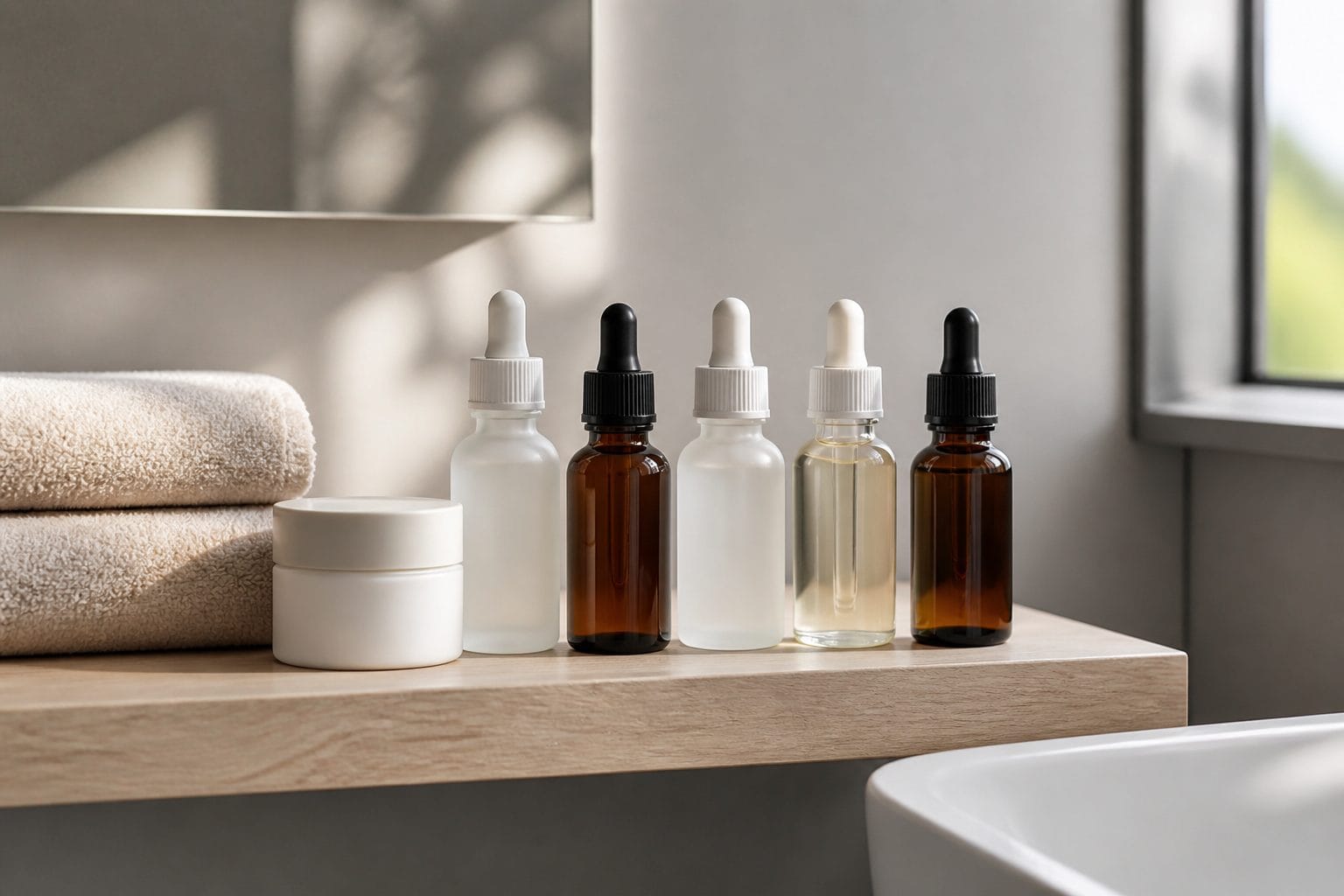
The Ordinary made active skincare affordable, but also made it easy to buy six potent products without knowing what any of them solves. I have ranked its best products by evidence, usefulness, formula and UK value in 2026. Most people need one treatment alongside cleanser, moisturiser and sunscreen.
Prices vary by size and retailer, so these are rough UK prices for the smaller standard bottle.
1. Azelaic Acid Suspension 10%: best all-round treatment
Rough price: £10–£12
Azelaic acid addresses inflamed spots, post-acne marks and redness, with better grounding than trendy brighteners. This 10% formula is weaker than prescription Finacea or Skinoren, but a sensible start.
This silicone-heavy suspension can pill, so use a pea-sized amount at night. My The Ordinary Azelaic Acid 10% review covers that trade-off; the wider azelaic acid guide explains prescription options.
Best for: mild acne, redness and post-inflammatory pigmentation.
2. Salicylic Acid 2% Solution: best for blackheads
Rough price: £6–£8
Oil-soluble salicylic acid directly targets congested pores and blackheads. This simple 2% leave-on is inexpensive. Start two evenings weekly; daily use can irritate.
My Salicylic Acid 2% review covers its longer-term benefits and limitations. If blackheads are your concern, the Ordinary regimen for blackheads will stop you duplicating exfoliants.
Best for: oily, congested skin rather than dry or already sensitive skin.
3. Natural Moisturizing Factors + HA: best basic moisturiser
Rough price: £7–£14, depending on size
This fragrance-free cream uses amino acids, fatty acids, humectants and other components modelled on skin's natural moisturising factors. It is not glamorous, but it does the routine job many serum collections forget.
The finish suits normal to slightly dry skin. Very dry skin may need Natural Moisturizing Factors + PhytoCeramides or another richer cream; oily skin can use a smaller amount. See the Ordinary regimen for dry skin before assuming another acid is the answer to flaking.
Best for: an affordable, uncomplicated final step.
4. Squalane Cleanser: best first cleanse
Rough price: £8–£15, depending on size
Warm this balm-like cleanser between dry hands, massage over dry skin, then add water. It removes sunscreen and light makeup without a harsh finish. Heavy makeup may require a second cleanse, and the larger tube offers better value. It suits normal, dry and sensitive-leaning skin.
5. Niacinamide 10% + Zinc 1%: best for value, not sensitivity
Rough price: £5–£6
Niacinamide can support the barrier, modestly reduce oiliness and improve uneven tone. The problem is the assumption that everybody needs 10%; some people experience stinging, flushing or pilling.
My Niacinamide 10% + Zinc 1% review explains who gets the most from it. If you are new to the ingredient, read what niacinamide actually does and consider a moisturiser containing 4–5% instead.
Best for: tolerant, oily skin on a tight budget.
6. Hyaluronic Acid 2% + B5: best optional hydrator
Rough price: £8–£10
The updated formula combines hyaluronic acid, panthenol and ceramides. It can smooth dehydrated skin when applied damp and sealed with moisturiser, but is optional if your cream already hydrates well.
In my Hyaluronic Acid 2% + B5 review, I explain why more hydration layers do not necessarily fix a damaged barrier.
7. Lactic Acid 5% + HA: best beginner AHA
Rough price: £7–£9
At 5%, this is a more measured introduction to alpha hydroxy acids than The Ordinary's famous red peel. Lactic acid exfoliates the surface, helping rough texture and dullness, while the formula includes soothing and hydrating ingredients.
Use it once weekly at first, at night, and wear sunscreen. Skip it if your skin is currently stinging, peeling or reactive.
8. Glycolic Acid 7% Exfoliating Toner: best multi-use exfoliant
Rough price: £11–£13
The large bottle is good value, but “toner” makes it sound gentle. Glycolic acid at 7% can help rough skin and keratosis pilaris on the body, but is too strong for many faces as a daily product.
Use it once or twice weekly, never on freshly shaved or broken skin. For pore-focused options, compare it with the products in my Ordinary pore minimisers ranking.
9. Retinol 1% in Squalane: effective category, difficult starting product
Rough price: £8–£10
Retinoids have excellent evidence as a category, but 1% retinol is a needlessly aggressive entry point. The squalane base feels oily, stability after opening matters, and peeling is common if you jump straight to frequent use.
It is useful for experienced retinol users, not beginners. Read my Retinol 1% in Squalane review, refrigerate it as directed and finish it within the stated period. Beginners should choose a lower strength and start twice weekly.
Choose a routine by concern, not by bottle
For active breakouts, start with the Ordinary regimen for acne. For persistent shine, use the regimen for large pores. Do not combine both: acne, blackheads and large pores overlap, so you would duplicate actives. Pick your main concern, introduce one treatment and reassess after eight weeks.
The Ordinary products I would skip
Multi-Peptide + HA Serum, formerly “Buffet”: evidence for this specific peptide blend is much weaker than for sunscreen and retinoids. At roughly £16–£18, it is not my first use of a limited budget.
AHA 30% + BHA 2% Peeling Solution for beginners: this high acid load can cause burns or barrier damage when overused. Start with lactic acid 5% or one salicylic product.
100% Niacinamide Powder: measuring and mixing a sensible concentration is needless work. A formulated serum is safer and more consistent.
Products bought solely to “shrink pores”: salicylic acid and retinoids may reduce congestion, but no serum permanently changes genetic pore size.
My 2026 verdict
The Ordinary's best products remain its straightforward, low-cost treatments: azelaic acid for redness and marks, salicylic acid for blackheads, and a basic moisturiser to keep both tolerable. The brand is less compelling when high percentages become the selling point or when a fashionable complex outruns its evidence.
Buy one product for one job. That approach is cheaper, easier to troubleshoot and far more likely to improve your skin than building a ten-bottle The Ordinary skin care routine.
References
Draelos ZD, Matsubara A, Smiles K. The effect of 2% niacinamide on facial sebum production. J Cosmet Laser Ther. 2006;8(2):96-101. (https://pubmed.ncbi.nlm.nih.gov/16766489/)
Papakonstantinou E, Roth M, Karakiulakis G. Hyaluronic acid: A key molecule in skin aging. Dermatoendocrinol. 2012;4(3):253-258. (https://www.ncbi.nlm.nih.gov/pmc/articles/PMC3583886/)
Arif T. Salicylic acid as a peeling agent: a comprehensive review. Clin Cosmet Investig Dermatol. 2015;8:455-461. (https://www.ncbi.nlm.nih.gov/pmc/articles/PMC4554394/)
FAQs
What is the best The Ordinary product overall?
Azelaic Acid Suspension 10% is my most broadly useful treatment because it can address acne, redness and post-acne marks with a relatively manageable irritation profile. The texture is its main weakness.
Which The Ordinary product should a beginner buy?
Start with Natural Moisturizing Factors + HA if you need moisturiser. If you need a treatment, choose one matched to the concern: salicylic acid for blackheads or azelaic acid for red spots and marks.
Can I use several The Ordinary serums together?
You can, but usually should not start that way. One treatment serum, moisturiser and SPF form a better test. Add another product only after several weeks if a separate concern remains.
Are The Ordinary products good despite being cheap?
Many are. Low price does not make an active ineffective, although elegant texture, packaging and stability vary across the range. Suitability and consistent use matter more than prestige.
Which The Ordinary products should sensitive skin avoid?
Avoid the AHA 30% + BHA 2% peel, 100% niacinamide powder and strong retinol as starting products. Sensitive skin should introduce even gentler acids cautiously and stop if plain moisturiser begins to sting.