Obviously Skincare
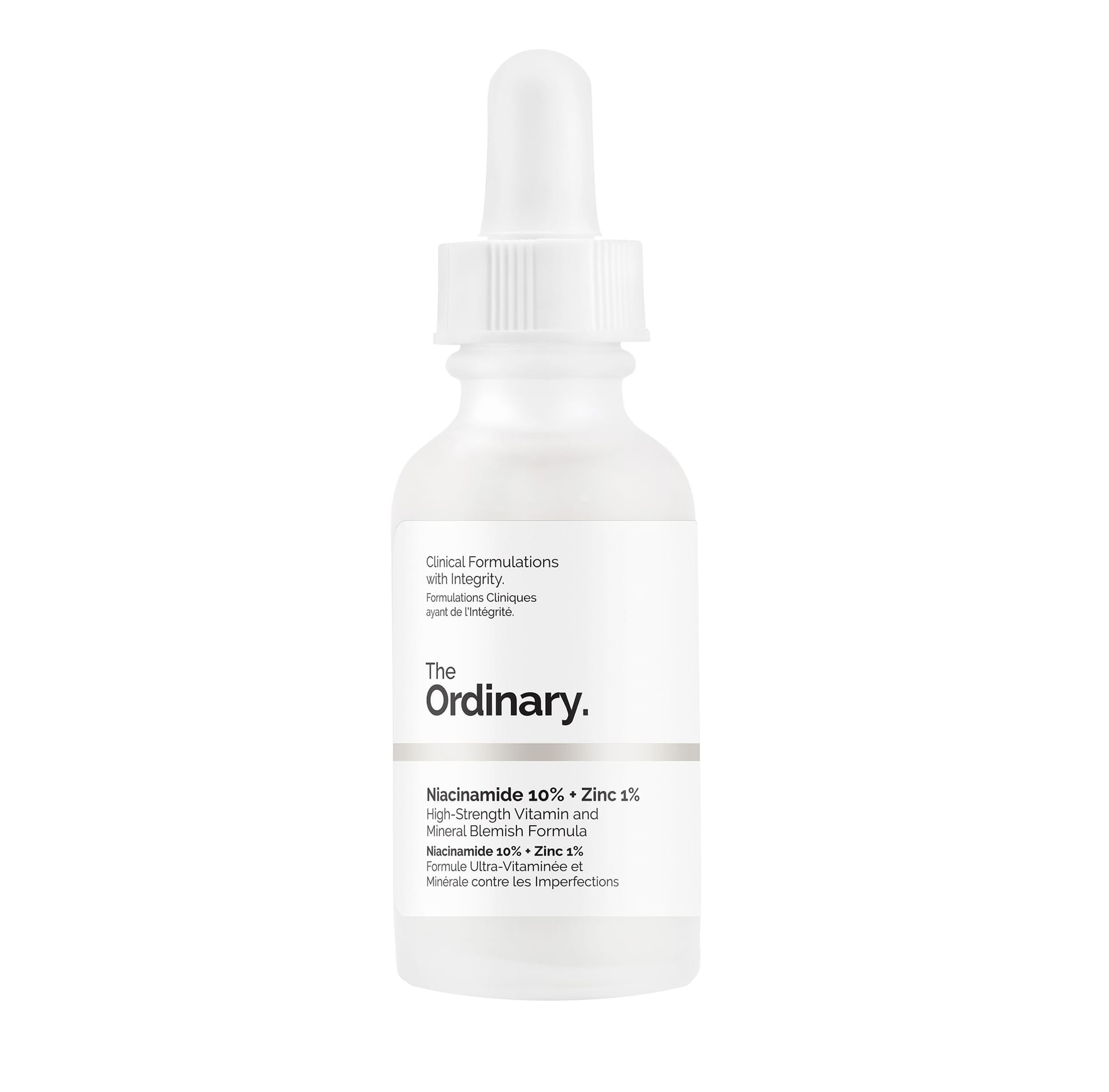
The Ordinary Niacinamide 10% + Zinc 1% is one of the best-selling serums in the UK, and for oily skin it earns its place. It can reduce shine, make pores look less obvious and calm redness, and it costs very little. It can also pill under other products and irritate a minority of people, mostly because 10% is a higher strength than most of the research used.
Quick verdict
| What it is | A water-based serum with 10% niacinamide (vitamin B3) and 1% zinc PCA |
| Best for | Oily and combination skin, visible pores, redness, post-spot marks |
| Not ideal for | Very sensitive or very dry skin, which may do better with 2 to 5% |
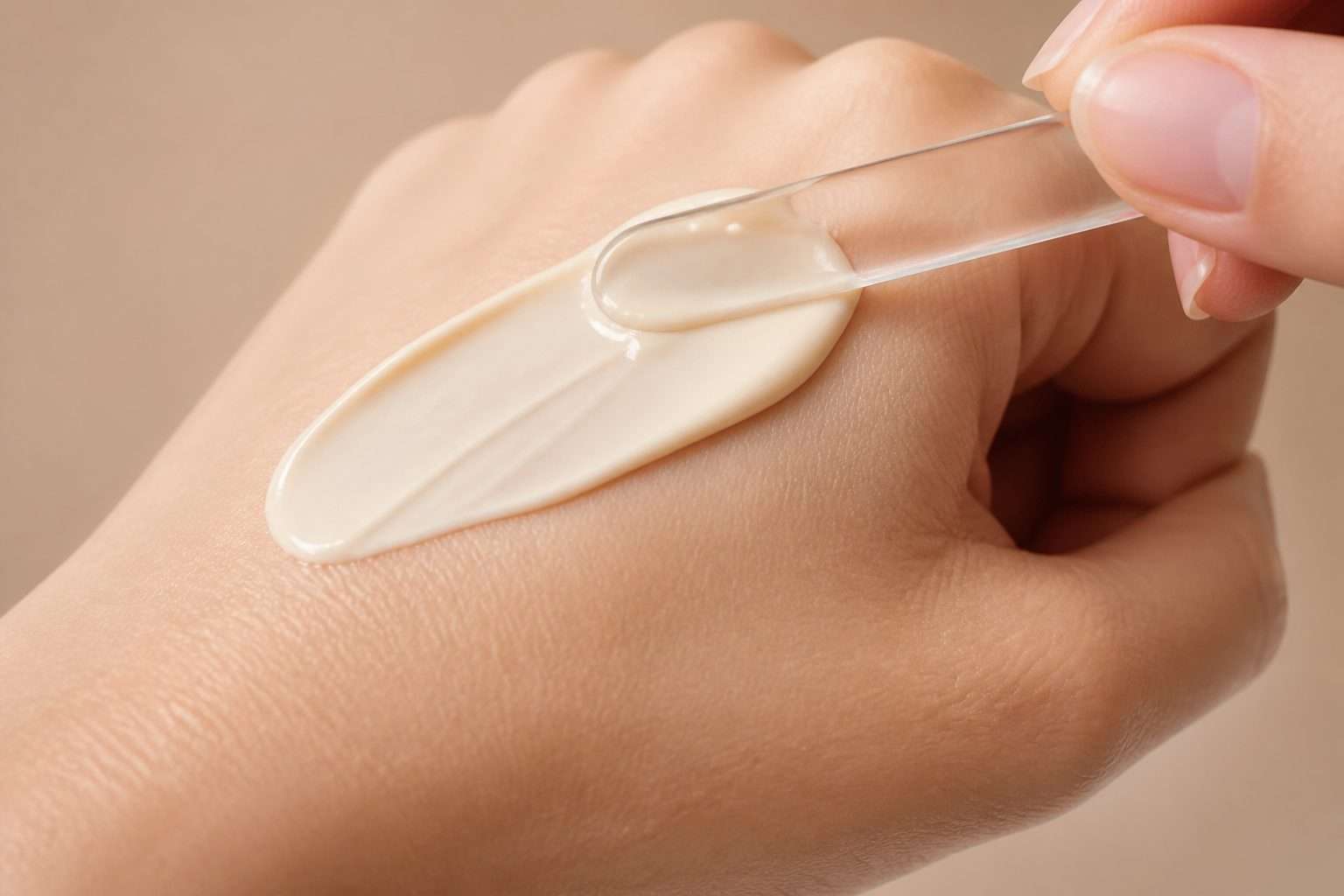
| Texture | Light, slightly tacky gel |
| Fragrance | None |
| Common complaint | Pilling under moisturiser or sunscreen |
| Our rating for pores and oil | 8/10 |
What's in it
The full ingredients list, from The Ordinary's UK site in November 2026:
Aqua (Water), Niacinamide, Pentylene Glycol, Zinc PCA, Dimethyl Isosorbide, Tamarindus Indica Seed Gum, Xanthan Gum, Isoceteth-20, Ethoxydiglycol, Phenoxyethanol, Chlorphenesin
| Ingredient | What it does |
|---|---|
| Niacinamide (10%) | Vitamin B3. Reduces visible oiliness, calms redness, supports the barrier, fades dark marks. |
| Zinc PCA (1%) | A form of zinc paired with PCA, a natural moisturising factor. Included for oil control. |
| Pentylene glycol | Humectant and mild preservative booster |
| Dimethyl isosorbide, ethoxydiglycol | Solvents that help ingredients spread into the skin |
| Tamarind seed gum, xanthan gum | Thickeners. The gums are a likely cause of the pilling. |
| Phenoxyethanol, chlorphenesin | Preservatives |
It's a short, fragrance-free formula. You can check each ingredient in our ingredients list checker.
Free toolCan I use these together?Check whether two ingredients can be used together.Open the ingredient pair checker →What niacinamide does: the evidence
Niacinamide is one of the best-studied cosmetic ingredients, though most trials used 2 to 5%, not 10%.
| Benefit | What the research shows | Strength used |
|---|---|---|
| Less oiliness | Lowered sebum production over 2 to 4 weeks in Japanese participants; a smaller effect in white participants | 2% |
| Fewer dark spots | Significantly reduced hyperpigmentation versus a plain moisturiser within 4 weeks, by slowing pigment transfer to skin cells | 2 to 5% |
| Ageing signs | Improved fine lines, dark spots, texture, red blotchiness and sallowness over 12 weeks | 5% |
| Acne | Several small trials show benefit for inflammatory acne, often compared with topical antibiotics | 2 to 4% |
| Barrier support | Increases the skin's ceramide production and reduces water loss | Various |
There's no good evidence that 10% works better than 5% for most of these, and higher strengths are more likely to irritate. See what niacinamide does.
Our tester's four weeks with it
Our tester's T-zone is oily with visibly enlarged pores, and their cheeks are drier. We used it twice a day, after cleansing and before moisturiser.
| Timeframe | What happened |
|---|---|
| Day 1 | Light and sinks in quickly, with a faint shine. A good base under foundation. |
| Week 1 | The T-zone was noticeably less oily, and pores looked a little less obvious. |
| Week 2 | Some pilling when we layered sunscreen too quickly. Using fewer drops fixed it. |
| Week 4 | Less oil through the day and fewer blackheads. |
Our tester didn't have active acne at the time, so we can't speak to that from experience.
A note on pores: they don't change size. What changes is how much oil sits in and around them, which makes them less noticeable.
Related guideThe Ordinary for Large Pores: 5 Best Products and a Full AM/PM RoutineWant smaller-looking pores on a budget? The Ordinary's five best pore products ranked, which to buy first, and a full morning and evening routine for large pores.Read the guide →The pilling problem
The most common complaint is that it balls up under moisturiser or sunscreen. To avoid it:
- Use two or three drops, not a full dropper. That's enough for the whole face.
- Let it dry for a minute before the next layer.
- Use it at night only if it pills under your SPF.
- Avoid layering it with silicone-heavy products, or switch the order of your products to see what works.
- Pat, don't rub, the next layer on top.
Can it cause breakouts or irritation?
Yes, for some people. Reports include redness, itching, a tingly flush and small breakouts. Possible reasons:
- The strength. 10% niacinamide is more than most studies used.
- The formula. Some people react to this particular serum but are fine with other niacinamide products.
- Too much product. Many people use far more than they need.
If it irritates, try a 4 to 5% niacinamide serum or a moisturiser that contains niacinamide. The Ordinary's own Niacinamide 5% Face and Body Emulsion is a gentler option. See does niacinamide cause purging.
Who it suits
Good for:
- Oily and combination skin.
- Visible pores and shine.
- Redness and post-spot marks.
- A gentle partner to retinol, salicylic acid or azelaic acid.
Think twice if:
- Your skin is very sensitive or dry.
- You've reacted to it before.
How to use it
- Cleanse.
- Apply 2 to 3 drops to dry skin, morning, evening or both.
- Wait a minute.
- Moisturise.
- In the morning, finish with SPF 30 or higher.
Using it with other ingredients
| Ingredient | Together? | Notes |
|---|---|---|
| Retinol and retinoids | Yes | Niacinamide may make retinoids easier to tolerate |
| Salicylic acid | Yes | A good pair for oily skin. See niacinamide and salicylic acid. |
| Azelaic acid | Yes | See niacinamide and azelaic acid |
| Vitamin C | Yes | The old warning about mixing them is outdated. See niacinamide vs vitamin C. |
| Hyaluronic acid | Yes | See hyaluronic acid vs niacinamide |
| Glycolic acid | Yes, but watch for irritation | Space them apart if your skin is sensitive |
For a full routine built around The Ordinary, see The Ordinary for pores and the best The Ordinary products.
Verdict
Cheap and effective for oily skin, with a couple of quirks. Use fewer drops than you think, give it a minute to dry, and switch to a lower strength if it irritates. If your skin isn't oily, a 5% niacinamide product gives most of the benefits with less risk.
References
- Draelos ZD, Matsubara A, Smiles K. The effect of 2% niacinamide on facial sebum production. J Cosmet Laser Ther. 2006;8(2):96-101. (https://pubmed.ncbi.nlm.nih.gov/16766489/)
- Hakozaki T, Minwalla L, Zhuang J, et al. The effect of niacinamide on reducing cutaneous pigmentation and suppression of melanosome transfer. Br J Dermatol. 2002;147(1):20-31. (https://pubmed.ncbi.nlm.nih.gov/12100180/)
- Bissett DL, Miyamoto K, Sun P, et al. Topical niacinamide reduces yellowing, wrinkling, red blotchiness, and hyperpigmented spots in aging facial skin. Int J Cosmet Sci. 2004;26(5):231-8. (https://pubmed.ncbi.nlm.nih.gov/18492135/)
- Walocko FM, Eber AE, Keri JE, et al. The role of nicotinamide in acne treatment. Dermatol Ther. 2017;30(5). (https://pubmed.ncbi.nlm.nih.gov/28220628/)
- Fivenson DP. The mechanisms of action of nicotinamide and zinc in inflammatory skin disease. Cutis. 2006;77(1 Suppl):5-10. (https://pubmed.ncbi.nlm.nih.gov/16871773/)
FAQs
Does The Ordinary Niacinamide shrink pores?
It can make them look smaller by reducing oil. It doesn't change their actual size.
Why does The Ordinary Niacinamide pill?
Usually too much product, or layering too fast. Use a few drops and let it dry.
Can The Ordinary Niacinamide cause breakouts?
Some people do break out with it. If that happens, try a different niacinamide product or a lower strength.
Can I use it with retinol?
Yes. Niacinamide can make retinol easier to tolerate.
Can I use it morning and night?
Yes, if your skin tolerates it. Once a day is enough for many people.
How long does it take to work?
Less oiliness can show within a week or two. Dark marks and texture take 8 to 12 weeks.
Is 10% niacinamide too strong?
For most uses, there's no evidence it beats 5%, and it's more likely to irritate sensitive skin.