
Nothing in The Ordinary's range (or anyone else's) permanently shrinks pore size. Genetics set the baseline. What the right products can do is keep pores clear, dial down the oil that stretches them, and improve the skin around them so they look smaller. That is the honest frame for every "pore minimizer" claim.
This guide ranks the five best The Ordinary products for the appearance of pores, by what each one actually does and who it suits. If you want a full AM/PM schedule instead of a shopping list, use the Ordinary routine for large pores. For blackheads specifically, jump to the BHA-focused blackheads regimen.
The best The Ordinary products for pores, ranked
1. Niacinamide 10% + Zinc 1% (best overall)
The closest thing The Ordinary has to a daily pore serum. Niacinamide (vitamin B3) is linked in clinical work to modest sebum reduction and better barrier function; zinc PCA is there for oil and shine. Less oil in the pore means less stretch, so openings look tighter over time. Expect gradual change over 8 to 12 weeks, not overnight magic.
- Best for: oily and combination skin; safest first buy for most people
- How to use: AM and/or PM on clean skin, before moisturiser
- Buy: Niacinamide 10% + Zinc 1%
Fuller notes in the Niacinamide 10% + Zinc 1% review and what niacinamide does.
2. Salicylic Acid 2% Solution (best for blackheads and clogged pores)
Salicylic acid is a BHA: oil-soluble, so it can work inside the pore on the mix of sebum and dead cells that forms blackheads and congestion. Surface scrubs and pore strips cannot reach that. It is also mildly anti-inflammatory, which helps angry spots as well as plugs.
- Best for: acne-prone and oily skin; congested nose and T-zone
- How to use: PM, start 2 to 3 nights a week; patch test first
- Buy: Salicylic Acid 2% Solution
Pairing it with niacinamide is covered in niacinamide and salicylic acid together. For the step-by-step blackheads schedule, see The Ordinary regimen for blackheads.
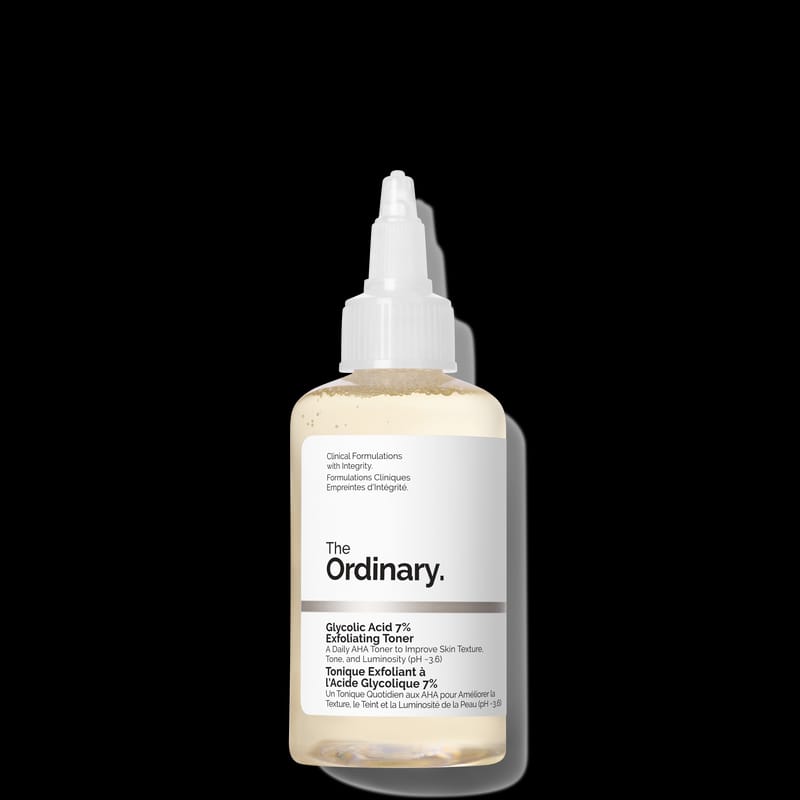
3. Glycolic Acid 7% Toning Solution (best for texture and dullness)
An AHA toner that exfoliates the surface layer of dead cells that make pores look shadowed and skin feel rough. Smoother texture and brighter tone usually show within a few weeks. It is not a substitute for BHA when the problem is oil plugs inside the pore; use it when surface texture is the main complaint.
- Best for: dull, rough or congested-looking skin; patch test if dry or sensitive
- How to use: PM only, 2 to 3 times a week to start. SPF every morning is non-negotiable
- Buy: Glycolic Acid 7% Toning Solution
4. Lactic Acid 5% or 10% + HA (best for dry or sensitive skin)
Stronger acids can be too much when the barrier is already thin. Lactic acid is a gentler AHA: it smooths texture and refines how pores look with less sting, and hyaluronic acid buffers dryness. Start with the 5% version and only move up if you need more.
- Best for: dry and sensitive skin that cannot tolerate glycolic or salicylic acid
- How to use: PM, 2 to 3 times a week
- Buy: Lactic Acid 10% + HA
5. Azelaic Acid Suspension 10% (best when redness is part of the picture)
A creamy multi-tasker that helps with texture, uneven tone and redness while keeping congestion in check. It is one of the few actives that many rosacea-prone or redness-prone faces tolerate. The silicone-heavy texture can pill if you use too much; a pea-sized amount is enough.
- Best for: acne-prone and redness-prone skin; post-blemish marks
- How to use: PM (or AM under SPF) once tolerated
- Buy: Azelaic Acid Suspension 10%
More detail in the Azelaic Acid 10% review.
Which one should you buy first?
| Main concern | Start here | | --- | --- | | Visible pores, oily T-zone | Niacinamide 10% + Zinc 1% | | Blackheads on the nose | Salicylic Acid 2% | | Rough, dull texture | Glycolic Acid 7% | | Dry or sensitive, still want refinement | Lactic Acid 5% | | Redness plus congestion | Azelaic Acid 10% |
Do not stack multiple acids in one routine. Pick one exfoliating acid, keep niacinamide as the daily backbone if oil is part of the problem, and give it eight weeks. For a wider shortlist of bottles worth owning, see best The Ordinary products.
What actually makes pores look smaller
Three things, in practice:
- Less oil stretching the opening. Niacinamide and consistent cleansing help here.
- Fewer plugs. BHA (salicylic acid) is the workhorse for blackheads and congestion. Wider context in how to unclog pores.
- Better support around the pore. Sun damage degrades collagen; SPF and, later, a retinoid help the skin look firmer. Broader methods (and myths) are in how to minimise large pores.
Double cleanse in the evening if you wear SPF or makeup. An oil-based first cleanse, then a gentle second cleanse, clears the film that makes pores look bigger by midday. Stay hydrated enough that skin is not compensating with more oil. Wear SPF every morning, especially on acid nights. For oily skin, best SPF for oily skin has practical picks.
Frequently asked questions
Which The Ordinary product is best for pores?
Niacinamide 10% + Zinc 1% is the best all-round daily option. If blackheads and clogged pores are the specific problem, Salicylic Acid 2% is the more targeted pick.
Does The Ordinary Niacinamide actually minimise pores?
It reduces the appearance of pores. Research on niacinamide supports reduced sebum output and improved barrier markers with consistent use, both of which make openings look smaller. No cosmetic changes the physical number or genetic size of your pores.
Can I use Niacinamide and Salicylic Acid together?
Yes. The simplest split is niacinamide in the morning and salicylic acid in the evening. Full layering notes: niacinamide and salicylic acid.
How long until pores look better?
Congestion often eases in 2 to 4 weeks. Visible improvement in pore appearance is more realistic around 8 to 12 weeks of steady use.
Pore products vs a full routine?
This page is the ranking. Build the schedule with The Ordinary for large pores, or go straight to The Ordinary for blackheads if open comedones are the main issue.