
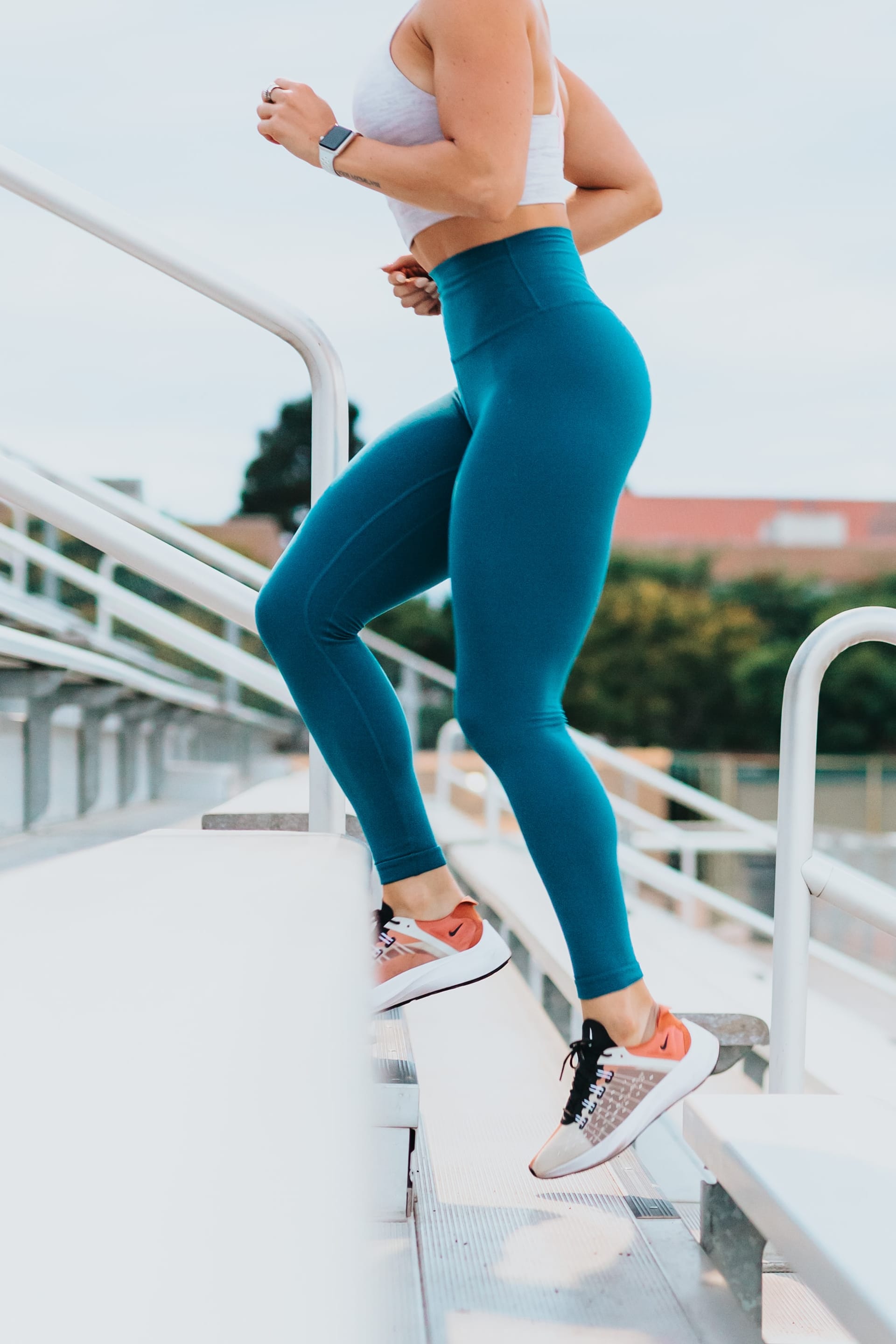
Cellulite, a localised skin condition than gives a dimpled appearance in the skin, commonly found on the hips, buttocks, thighs and abdomen. But why does it form? And how can you minimise it's appearance?
Why Does Cellulite Appear?
First things first, cellulite is a very common, natural occurrence in both men and women. It should generally be no cause for concern. Women however are more likely to have cellulite as the fat distribution is more common in the hips, thighs and buttocks; areas where cellulite is most likely to develop. Below are some of the most common reasons why cellulite may develop;
Genetics
Genes are a contributory factor to cellulite development. Genetics are responsible for metabolism, and distribution of fat around body, and can therefore be directly responsible for the development of cellulite in certain individuals.
Age
With age, the amount of collagen and elastin in the skin decreases, which means reduced skin firmness and elasticity. This often leads to the development of cellulite.
Hormones
It is thought that several hormones have an impact on cellulite formation, including Estrogen and Insulin. This can become pronounced during pregnancy where hormone levels fluctuate.
Diet
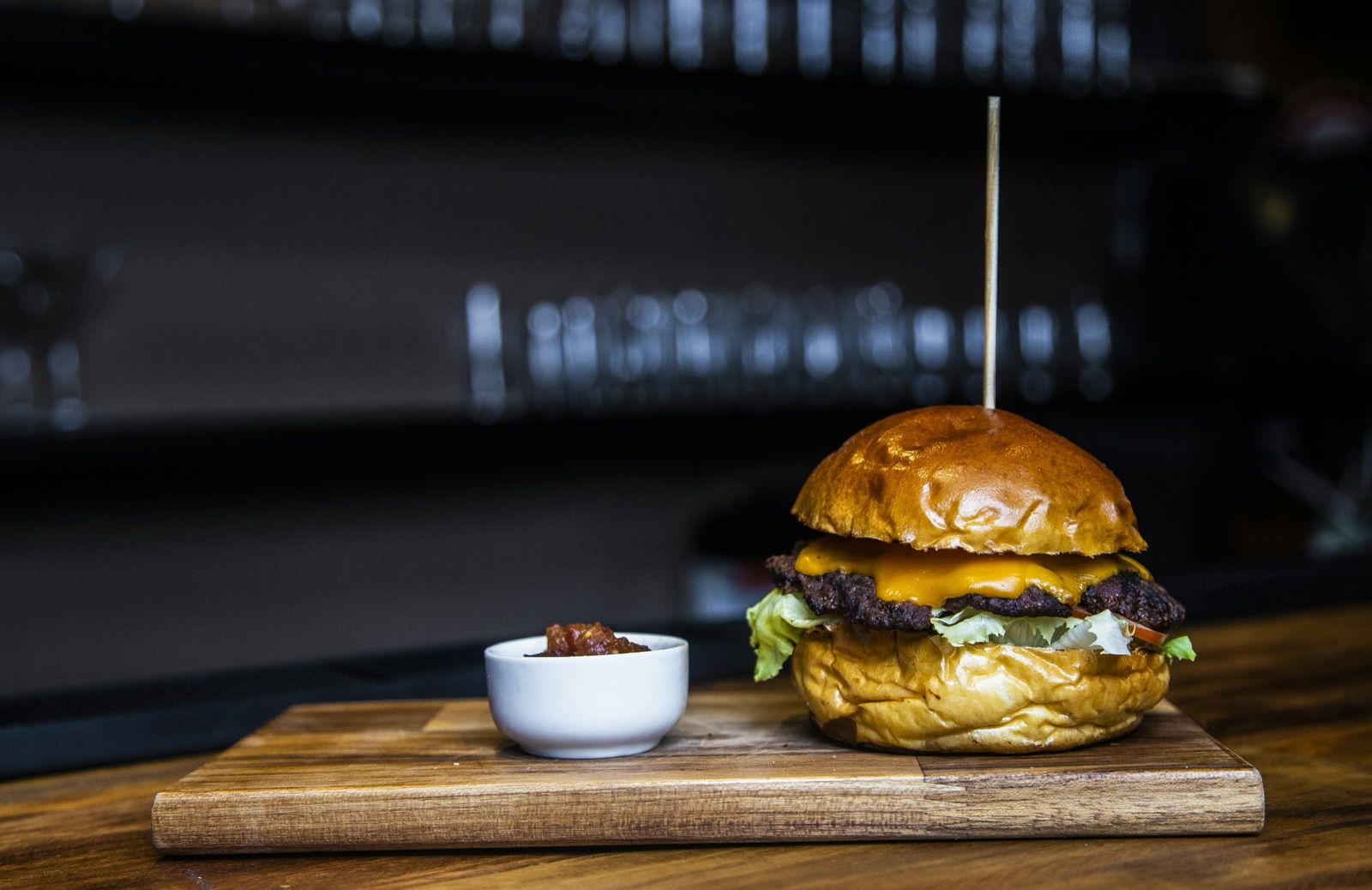
A diet high in fats and carbohydrates will likely lead to cellulite formation. People will higher body fat percentages will have more prominent cellulite. Alcohol and smoking are also contributory factors.
How can I minimise it's appearance?
It may not be possible to completely get rid of cellulite, but there are ways to minimise it's appearance:
1. Reduce your total body fat percentage

The fact of the matter is that cellulite is formed when fatty tissue pushes up against connective tissue. To minimise the appearance of cellulite, you should focus on reducing your body fat; whether this be through exercising or diet changes.
2. Exercise
Weight training and general exercise is excellent in reducing the appearance of cellulite. Such training will tone your muscles and increase the firmness of the skin, while also increasing metabolism and helping you burn through fat.
3. Keep hydrated
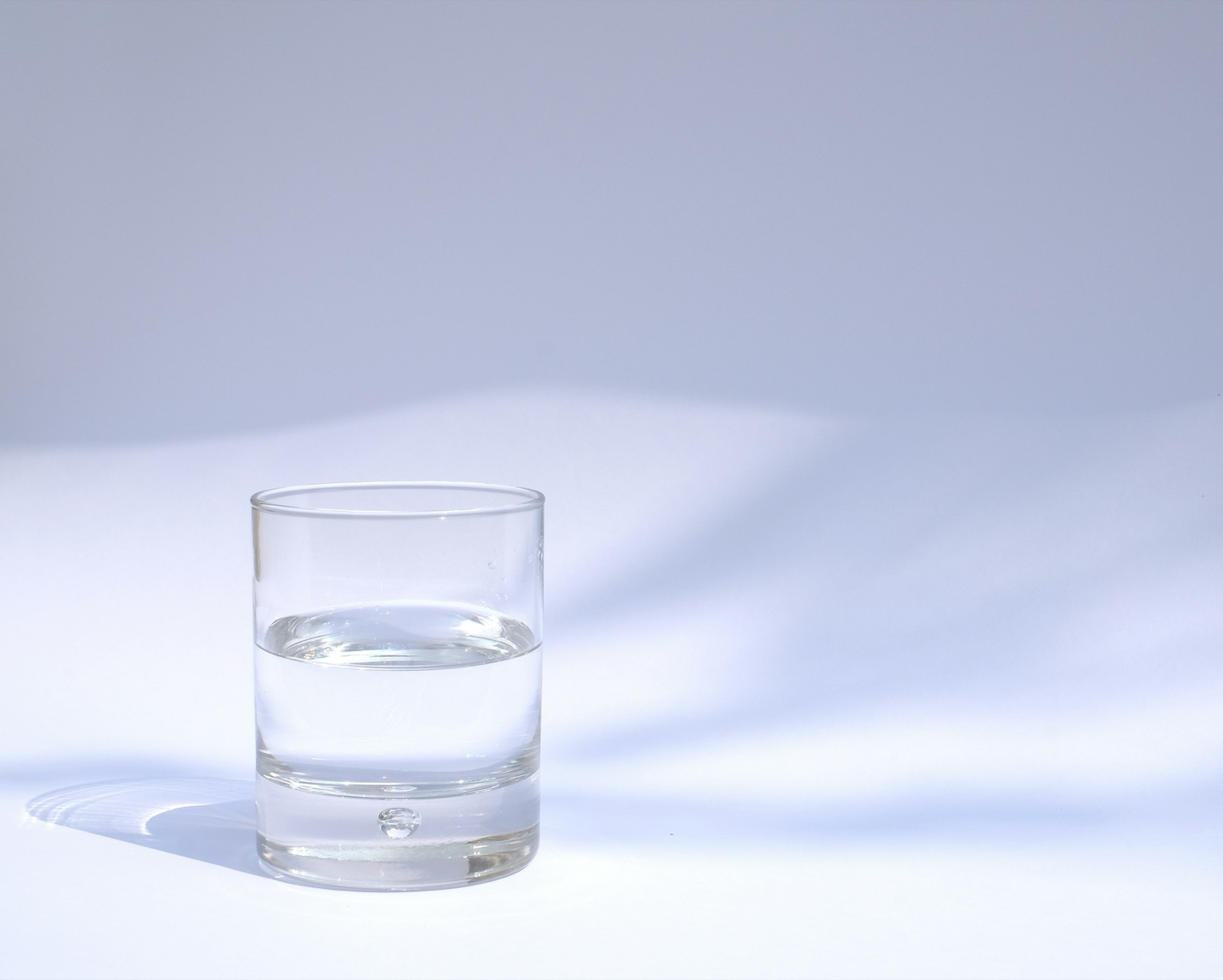
Staying hydrated will ensure your skin stays plump and that toxins can be flushed out of your system. Hydrated skin will reduce the appearance of cellulite.
4. Make lifestyle changes
Reducing your alcohol intake and quitting smoking will have a profound impact on the appearance of cellulite, and it also comes with a range of other health benefits.
Focusing on your diet will help also, consuming healthy foods which are high in nutrients and good fats will help you lean up and improve skin health.
What about cellulite creams, dry brushing and massage?
Honesty time, because this corner of the beauty industry is full of overpromising:
- Caffeine creams temporarily dehydrate the fat cells beneath the skin, which can smooth the appearance for a few hours. Useful before a beach day, but the effect is cosmetic and short-lived.
- Retinol body creams have modest evidence: used consistently for six months or more, retinol can thicken the skin slightly, making dimpling less visible. It's the most credible topical option, but expectations should stay low.
- Dry brushing and massage boost circulation and can temporarily plump the skin, but there's no good evidence they change cellulite structure. Enjoyable, harmless, not transformative.
Professional treatments (acoustic wave therapy, laser treatments like Cellulaze, and injectable enzymes) show better results in studies, but they're expensive, results vary, and cellulite frequently returns. If you go this route, see a qualified medical practitioner and ask to see their own before-and-after results.
The bottom line
Cellulite is a normal, largely genetic feature of skin, and it appears on around nine in ten women, including athletes and supermodels. You can soften its appearance through body composition, strength training, hydration and lifestyle changes, and a retinol body cream may help at the margins. But anyone promising to erase it completely is selling something. Aim for healthier, firmer skin rather than perfection; the dimples that remain are company you share with pretty much everyone.