

Let's start with the honest bit that most pore articles bury: you cannot permanently shrink your pores. Pore size is largely set by genetics, and pores aren't muscles, so they don't open and close no matter what the packaging says. What you absolutely can do is make them look dramatically smaller, by keeping them unclogged, tightening the skin around them, and stopping the damage that stretches them over time.
I spent years fighting visibly large pores on my nose and T-zone, and the six methods below are the ones that actually moved the needle. I've also added a section on the popular "fixes" that do nothing, because I wasted money on all of them so you don't have to.
Why do pores look bigger in the first place?
Pores are the openings of your hair follicles, and each contains a sebaceous gland that releases sebum, the oil that protects and moisturises your skin. They're essential; the goal is never to "get rid" of them.
They look enlarged for a handful of reasons, and knowing yours tells you which fixes below matter most:
- Excess oil. Oily skin produces more sebum, and a pore full of oil is physically stretched and more visible. This is why large pores cluster on the T-zone.
- Clogging and blackheads. When dead skin and oil compact inside a pore and oxidise, the dark plug widens the opening and draws the eye. If blackheads on your nose are your main issue, that's really a pore problem.
- Sun damage. UV breaks down collagen, the protein scaffolding that holds pore walls taut. As the surrounding skin loses firmness, pores slacken and gape.
- Age. Collagen and elastin production decline naturally from your mid-twenties onward, with the same slackening effect.
- Genetics. Some people are simply born with larger, more visible pores, and no product changes that baseline.
1. Cleanse properly, twice a day
Unglamorous, but foundational. A pore full of sunscreen, sebum and city grime looks bigger than a clean one, immediately. Cleanse morning and evening with a gentle, non-comedogenic cleanser, and if you wear makeup or SPF (you should), do a proper evening cleanse rather than a quick splash.
Resist the urge to go harsh. Stripping cleansers that leave you squeaky-clean trigger rebound oil production, which makes pores look worse within days. Scrubbing aggressively doesn't reach inside the pore either; that's a chemistry job, not a friction job. I've used the Cetaphil Gentle Skin Cleanser for years and it remains a reliable, cheap default.
2. Salicylic acid, the single most effective step
If you only adopt one thing from this list, make it this. Salicylic acid is a beta hydroxy acid, and unlike every other exfoliant it's oil-soluble, meaning it dissolves into sebum and exfoliates the pore lining from the inside. It clears the plugs that stretch pores open, helps regulate oil production over time, and calms inflammation while it works.
In my own six-week test, a 2% salicylic acid solution did more for my pore size than years of scrubs, steaming and squeezing combined, simply because empty pores contract back towards their natural size. Use it two or three evenings a week to start, patch test first, and pair it with daily SPF. The Ordinary's Salicylic Acid 2% Anhydrous Solution is the best-value option; my full 45-day review is here.
3. Niacinamide, the pore-refining partner
Niacinamide (vitamin B3) attacks the problem from the other direction. Clinical research has shown it reduces sebum production with consistent use, and less oil means less stretching and less clogging. It also strengthens the skin barrier and improves elasticity around the pore itself, which subtly tightens its appearance.
Salicylic acid and niacinamide together are the classic pore combination: one clears the pore, the other reduces what fills it back up. Use the acid at night and niacinamide in the morning if layering feels like too much. My pick is The Ordinary Niacinamide 10% + Zinc 1%, which costs a few pounds and forms the backbone of The Ordinary's own large-pores regimen.
4. Retinoids, for the long game
Retinol and other retinoids are vitamin A derivatives that speed up cell turnover and, crucially for pores, stimulate collagen production. Firmer collagen means tauter pore walls, and faster turnover means pores are less likely to clog in the first place. Studies on topical retinoids consistently show reduced pore visibility alongside their better-known anti-ageing effects.
This is the slowest method here, with results building over two to three months, but it's also the one that addresses age- and sun-related pore slackening that acids can't touch. Start with a gentle over-the-counter retinol two nights a week, expect a short adjustment period of dryness, and don't use it on the same nights as salicylic acid.
5. Sunscreen, the one everyone skips
UV radiation degrades collagen and elastin, and as that support structure fails, skin sags and pores stretch wider. This is why pore size creeps up with sun exposure and age, and it's largely preventable. A broad-spectrum SPF 30 or higher, every single morning, protects the collagen you have and lets your retinoid rebuild more.
There's a second reason SPF is non-negotiable here: methods 2, 3 and 4 all involve actives that increase sun sensitivity, so skipping sunscreen actively undoes them. SPF matters more than any other product you'll buy.
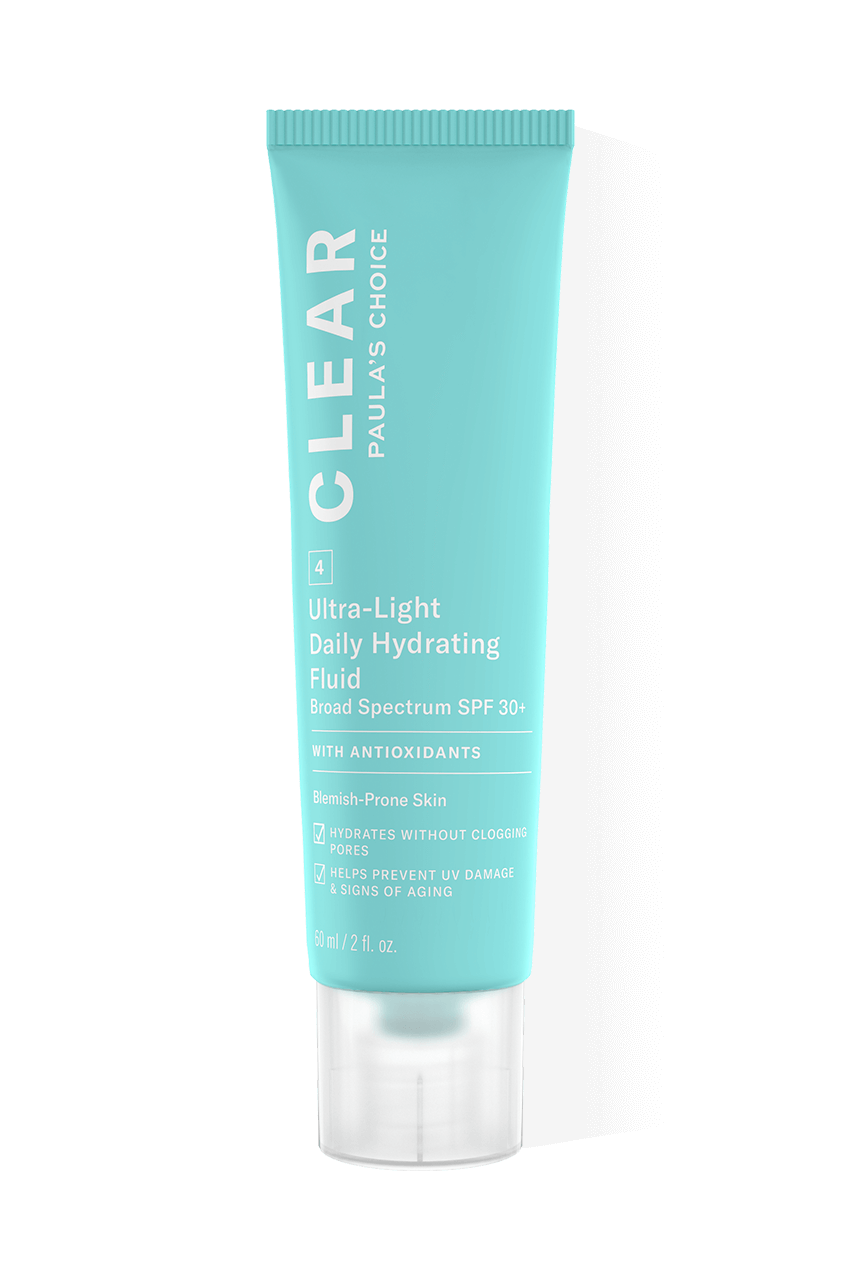
For oily, pore-prone skin I like Paula's Choice Clear Ultra-Light Daily Hydrating Fluid SPF 30, a genuinely matte fluid that doubles as a light moisturiser. There are more options in our guide to the best SPF for oily skin.
6. Hydration, inside and out
Dehydrated skin makes pores look worse in two ways: it looks crepey and slack rather than plump, and paradoxically it often produces more oil to compensate. Drinking enough water supports overall skin function, but the bigger win is topical: a lightweight humectant like hyaluronic acid draws water into the skin and plumps the area around each pore, visibly tightening its appearance within days.
If you have oily skin and have been avoiding moisturiser to "dry out" your pores, stop; that's precisely what triggers the rebound oiliness that enlarges them. A light gel moisturiser or hyaluronic acid serum hydrates without adding oil.
What doesn't work
Save your money on these:
- Pore strips. Deeply satisfying, briefly effective, and mildly harmful. They rip out the top of the blackhead while leaving the plug's base in place, and the adhesive can damage the skin around the pore. The congestion returns within days. We've written a full takedown of pore strips.
- Ice and cold water. Cold causes temporary tightening that lasts minutes. Pores are not doors; they don't close.
- Steaming pores "open". Same myth in reverse. Warmth softens the debris inside pores, which is mildly useful before cleansing, but the pore itself doesn't open or close.
- Primers and blurring products. These are makeup, not skincare. They fill and optically blur pores very effectively for a day, which is fine, but they treat nothing, and heavy silicone products left on overnight can contribute to the clogging that started the problem.
- Aggressive squeezing. Forcing out congestion damages the pore wall, and a damaged pore can be permanently widened. This is one habit that genuinely makes pores bigger.
The realistic routine
Put together, the daily version of all this is simpler than it sounds: gentle cleanse and niacinamide plus SPF in the morning; cleanse, salicylic acid (or retinol, on alternate nights) and a light moisturiser in the evening. Give it six to eight weeks. Pores won't vanish, they never do, but clean, tight, unclogged pores at their natural size are barely noticeable, and that's the honest, achievable goal. For a deeper dive on the same problem, we've also covered how to minimise large pores from a routine-building angle.
References
Lee SJ, Seok J, Jeong SY, Park KY, Li K, Seo SJ. Facial pores: definition, causes, and treatment options. Dermatol Surg. 2016;42(3):277-285.
Draelos ZD, Matsubara A, Smiles K. The effect of 2% niacinamide on facial sebum production. J Cosmet Laser Ther. 2006;8(2):96-101.
Arif T. Salicylic acid as a peeling agent: a comprehensive review. Clin Cosmet Investig Dermatol. 2015;8:455-461.
Mukherjee S, Date A, Patravale V, Korting HC, Roeder A, Weindl G. Retinoids in the treatment of skin aging: an overview of clinical efficacy and safety. Clin Interv Aging. 2006;1(4):327-348.
Frequently Asked Questions
Can you actually shrink your pores?
Not permanently. Pore size is set by genetics and pores have no muscles to open or close. You can, however, make them look much smaller by keeping them unclogged, reducing oil production, and protecting the collagen that keeps pore walls taut.
What is the best ingredient for large pores?
Salicylic acid, because it's oil-soluble and exfoliates inside the pore where the clogging happens. Pair it with niacinamide, which reduces sebum production, and the two tackle enlarged pores from both directions.
Do pores open and close with hot and cold water?
No, that's a persistent myth. Heat softens the debris inside pores and cold briefly tightens the surrounding skin, but the pore opening itself doesn't change. Any effect from ice or cold water lasts minutes at most.
Why are the pores on my nose so big?
The nose sits in the T-zone, where sebaceous glands are largest and most active. More oil means more stretching and more blackheads, whose dark plugs make the pore openings far more visible.
How long does it take to see smaller-looking pores?
Cleansing and hydration improve things within days. Salicylic acid and niacinamide typically show visible results in two to six weeks, while retinoids need two to three months to firm the skin around pores.