 Obviously Skincare
Home / All articles
All articles
Page 4 of 13. Looking for something specific? Try the guides by topic.
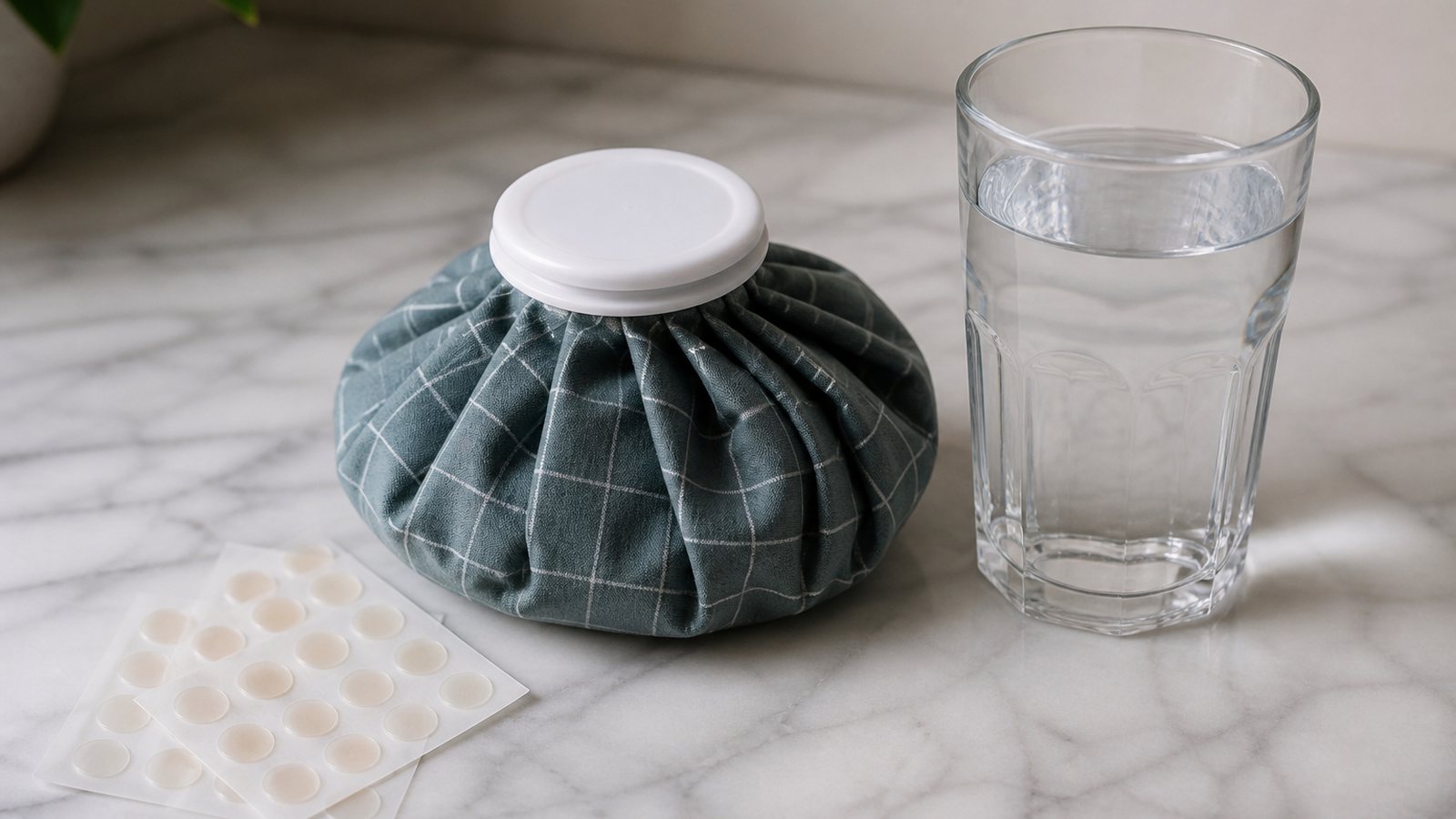
Blind Pimple: How to Get Rid of a Spot Under the Skin
A blind pimple is a deep, sore spot with no head. Why squeezing makes it worse, what helps (warm compresses, benzoyl peroxide, time), how long it lasts.
Read article →
Bum Acne: Why You Get Spots on Your Bottom and How to Treat Them
Spots on the bum are rarely true acne. They're usually folliculitis or keratosis pilaris, caused by friction, sweat and tight clothing.
Read article →
Centella Asiatica (Cica): What It Does for Skin and Who Should Use It
Centella asiatica, or cica, is a plant extract used to calm irritated skin and support healing.
Read article →
CeraVe Foaming vs Hydrating Cleanser: Which One Is Right for Your Skin?
CeraVe Foaming Cleanser is a gel for normal to oily skin; Hydrating Cleanser is a non-foaming lotion for normal to dry skin.
Read article →
CeraVe vs Aveeno: Which Is Better for Dry, Sensitive or Eczema-Prone Skin?
CeraVe builds its products around ceramides; Aveeno around colloidal oatmeal.
Read article →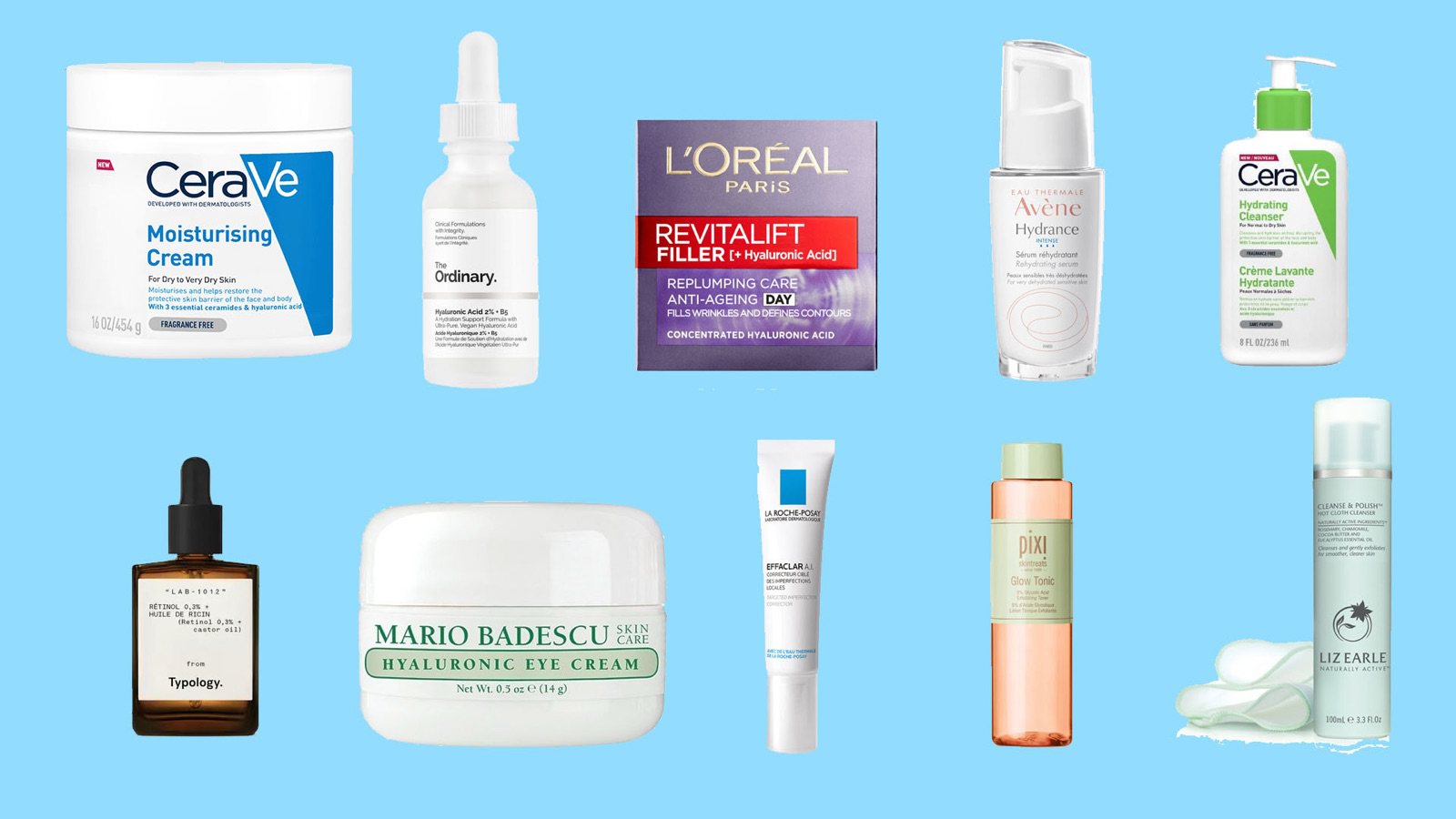
CeraVe vs Cetaphil: Which Is Better for Your Skin Type?
CeraVe and Cetaphil are both gentle, affordable and fragrance-free. How their cleansers and moisturisers differ, and which suits your skin type.
Read article →
CeraVe vs La Roche-Posay: Is the Pricier One Worth It?
CeraVe and La Roche-Posay are both owned by L'Oréal and both gentle. How their cleansers, moisturisers and sunscreens compare.
Read article →
Closed Comedones: What They Are and How to Get Rid of Them
Closed comedones are small, flesh-coloured bumps caused by blocked pores.
Read article →
Does Collagen Cream Work? Collagen in Skincare and Supplements Explained
Collagen in a cream can't replace the collagen in your skin: the molecule is too big to get in.
Read article →
Copper Peptides: What They Do, and What Not to Use Them With
Copper peptides (GHK-Cu) are promoted for firmer skin and repair. What the research supports, how to use them, the truth about mixing them with vitamin C.
Read article →
Cystic Acne: Why Skincare Isn't Enough, and What Treats It
Cystic acne causes deep, painful lumps that scar. It needs medical treatment.
Read article →
Do You Need Eye Cream? What It Can and Can't Do
Eye cream isn't essential: your face moisturiser can do the job if it doesn't sting.
Read article →
Does Niacinamide Cause Purging? Why You're Breaking Out, and What to Do
Niacinamide doesn't speed up cell turnover, so it shouldn't cause a true purge.
Read article →
Does Skincare Expire? How to Read the Dates and When to Bin It
Yes, skincare expires. How to read the open-jar symbol and best-before dates, how long each type of product lasts once opened.
Read article →
Dry, Flaky or Red Skin Around the Nose: Causes and Fixes
Dry, peeling or red skin in the creases of the nose is usually simple dryness, seborrhoeic dermatitis, or irritation from skincare.
Read article →
Ferulic Acid: What It Does and Why It's in Your Vitamin C Serum
Ferulic acid is a plant antioxidant that stabilises vitamins C and E and doubled their sun-damage protection in a key study.
Read article →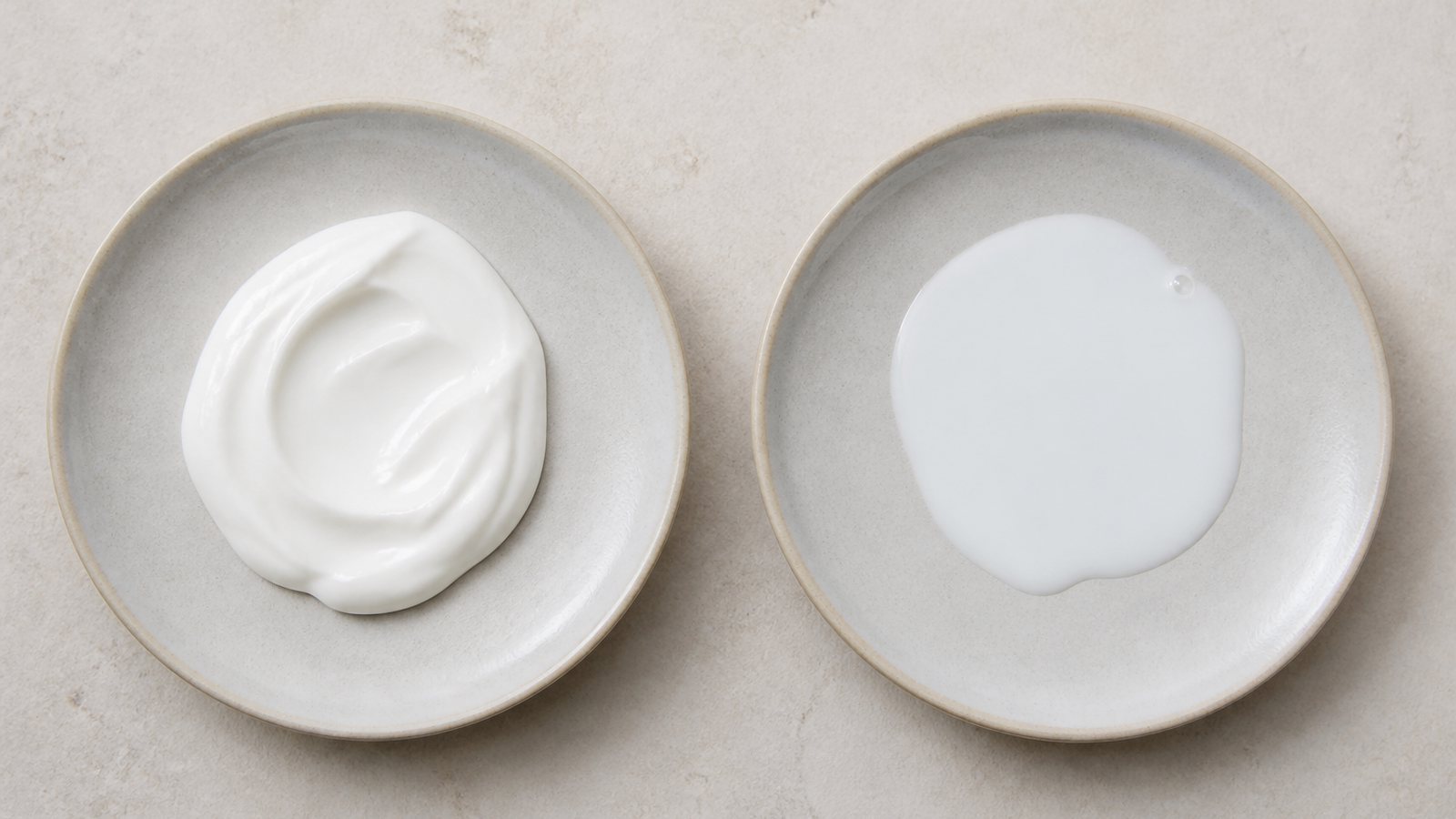
Gel vs Cream Moisturiser: Which Is Right for Your Skin Type?
Gel moisturisers are water-based and light; creams contain more oils and seal moisture in.
Read article →
Glass Skin Routine: How to Get the Look, and How Much Is Realistic
Glass skin is a Korean beauty term for smooth, even, very hydrated skin that reflects light.
Read article →
Glycolic Acid for Underarms: Does It Work for Odour and Dark Marks?
Using glycolic acid toner on the underarms is popular for odour and darkened skin.
Read article →
Glycolic Acid vs Lactic Acid: Which AHA Should You Use?
Glycolic acid penetrates faster and does more; lactic acid is gentler and hydrates.
Read article →
Glycolic Acid vs Salicylic Acid: Which Exfoliant Should You Use?
Glycolic acid works on the skin's surface for dullness and texture; salicylic acid works inside pores for blackheads and spots.
Read article →
How Long Does Retinol Take to Work? A Week-by-Week Timeline
Retinol takes about 12 weeks to show visible results and keeps improving skin for a year. What to expect at 2, 4, 8, 12 and 24 weeks, and what slows it down.
Read article →
How Long Does Skincare Take to Work? Timelines for Every Major Ingredient
How long niacinamide, vitamin C, azelaic acid, salicylic acid, retinol and other ingredients take to show results, based on the trials.
Read article →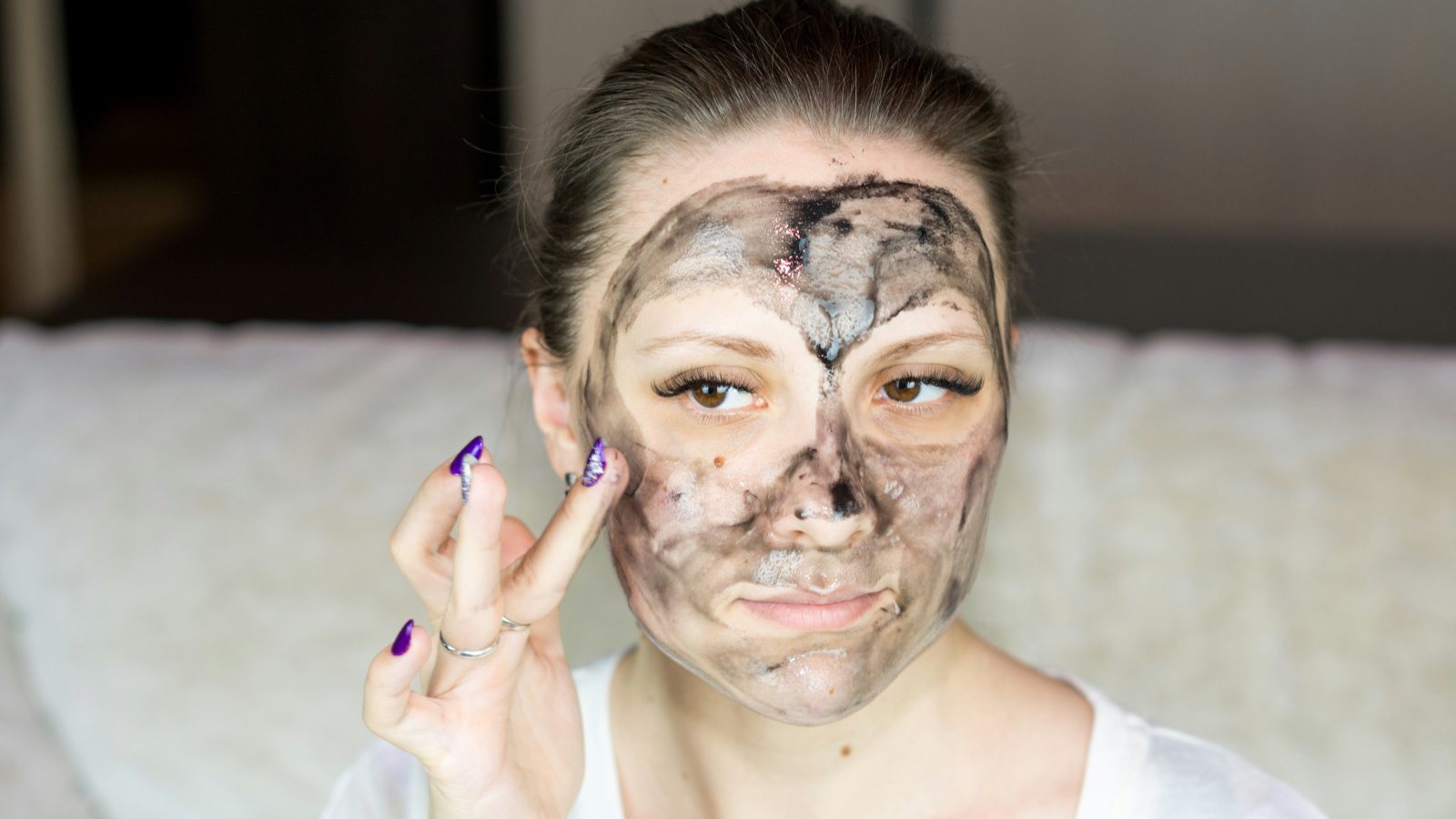
How Often Should You Exfoliate? A Guide by Skin Type and Product
Most skin does best exfoliating one to three times a week. How often to exfoliate by skin type and by exfoliant, how retinoids change the answer.
Read article →