Obviously Skincare
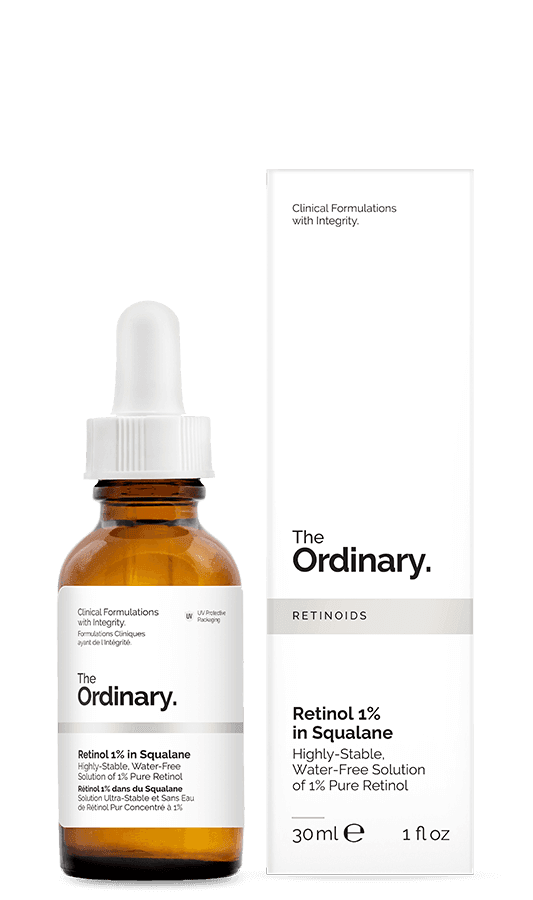
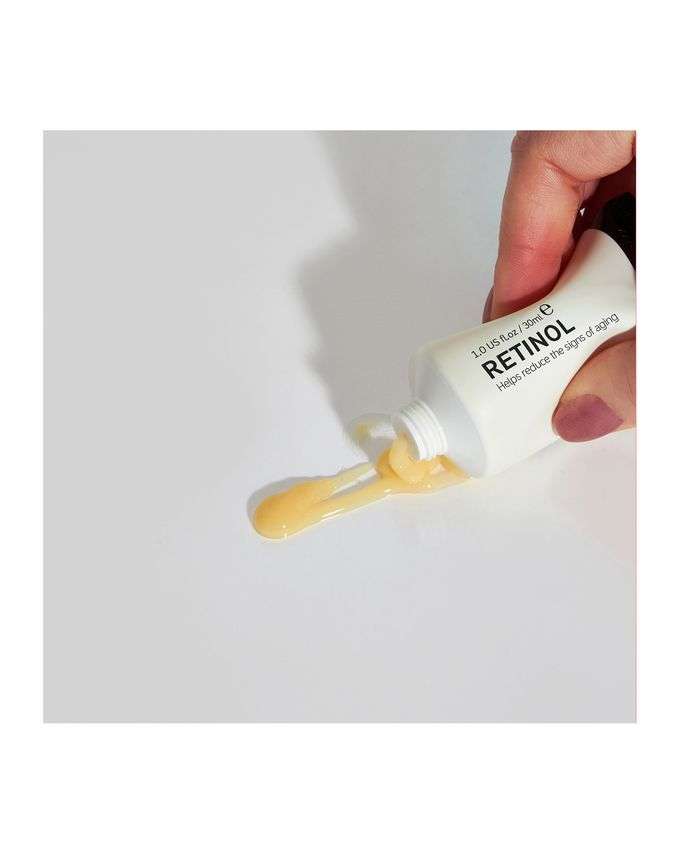
The Ordinary's retinol in squalane is about as cheap as an effective retinol gets. It's plain retinol dissolved in squalane, a light, stable oil, sold in several strengths. It works, slowly, and it can be irritating at first. Most people should not start with the 1%.
Quick verdict
| What it is | Retinol dissolved in plant-derived squalane |
| Strengths | 0.2%, 0.5% and 1% (all on The Ordinary's UK site in November 2026) |
| Best for | Fine lines, uneven texture, clogged pores, dullness |
| Who should start here | 0.2% for beginners; 1% only for experienced retinoid users |
| Texture | Light, slightly oily serum |
| Fragrance | None |
| Our scores (1%, after 90 days) | Fine lines 7/10, pores 6/10, skin tone 6/10 |
What it is
- Retinol at 0.2%, 0.5% or 1%, depending on the bottle. Retinol is converted in the skin to retinoic acid, the active form that tretinoin delivers directly. See what retinol does.
- Squalane, which keeps it light and softens some of the dryness. See what squalane is.
- A short list of supporting ingredients, including antioxidants to protect the retinol.
It comes in an amber dropper bottle because retinol breaks down in light and air. Keep the cap on tight and store it away from sunlight.
A note on regulation: since November 2025, new products sold in the EU can't contain more than 0.3% retinol in face products. The UK has been reviewing vitamin A in cosmetics but hadn't adopted the same cap when we checked, and the 0.5% and 1% versions were still on sale here. The Ordinary has also launched a Retinol 0.3% Emulsion.
Free toolRetinol starter scheduleGet a week-by-week plan for starting retinol.Open the retinol schedule →What the evidence says about retinol
| Finding | Study |
|---|---|
| Fewer fine wrinkles with 0.4% retinol versus a plain lotion over 24 weeks, plus more collagen production in the skin | Older adults, randomised and vehicle-controlled |
| Retinoids improve photoageing (fine lines, texture, pigmentation) | Reviews of clinical trials |
| Irritation is common in the first weeks and settles with time and slower introduction | Reviews of clinical trials |
Retinol is weaker than prescription tretinoin, because it needs to be converted in the skin, but it's also gentler. Higher percentages aren't automatically better: they bring more irritation, and consistency matters more than strength.
Which strength to buy
| Strength | Who it's for | How to start |
|---|---|---|
| 0.2% | First-time retinoid users | 2 nights a week, building up |
| 0.5% | After 0.2% is comfortable, or resilient skin starting out | 2 to 3 nights a week |
| 1% | Experienced users only | 2 to 3 nights a week, even if you've used 0.5% nightly |
| Granactive Retinoid 2% Emulsion (alternative) | Sensitive skin | Every other night |
| Retinal 0.2% Emulsion (alternative) | Experienced users who want faster results | 2 nights a week |
Starting with the 1% is the most common reason people give up. Retinal products and prescription tretinoin are stronger again. See the tretinoin guide.
Related guideBest The Ordinary Products: What to Buy (and Skip) in 2026My ranked guide to the best The Ordinary products in 2026: what each does, rough UK prices, who should buy it, and the overhyped formulas to skip in the UK.Read the guide →Our tester's 90 days with the 1%
Our aim was the fine lines on our tester's forehead and around their eyes, and pore size.
| Timeframe | What happened |
|---|---|
| Day 1 | Applied at night only, a few drops over the face after cleansing. Light, oily texture, absorbed easily. |
| Week 1 | Skin felt sensitive and drier than usual, with some redness around pores. No visible change yet. This is the irritation phase most people go through. |
| Weeks 2 to 4 | Skin settled. Redness and peeling faded, and by day 30 skin felt slightly plumper. |
| Day 90 | A visible difference in fine lines around the eyes, forehead and mouth, and pores looked a little smaller. |
Three months is about when retinol results start to show. They keep building with longer use. See how long retinol takes to work.
How to use it
- Night only. Two or three nights a week for the first few weeks.
- Three or four drops on clean, dry skin. Avoid the corners of the eyes, nose and mouth.
- Moisturiser afterwards. If you're sensitive, use moisturiser before and after (the "sandwich" method).
- Increase slowly to every other night or nightly over six to eight weeks.
- SPF every morning.
See how to start retinol.
Using it with other products
| Product | Together? |
|---|---|
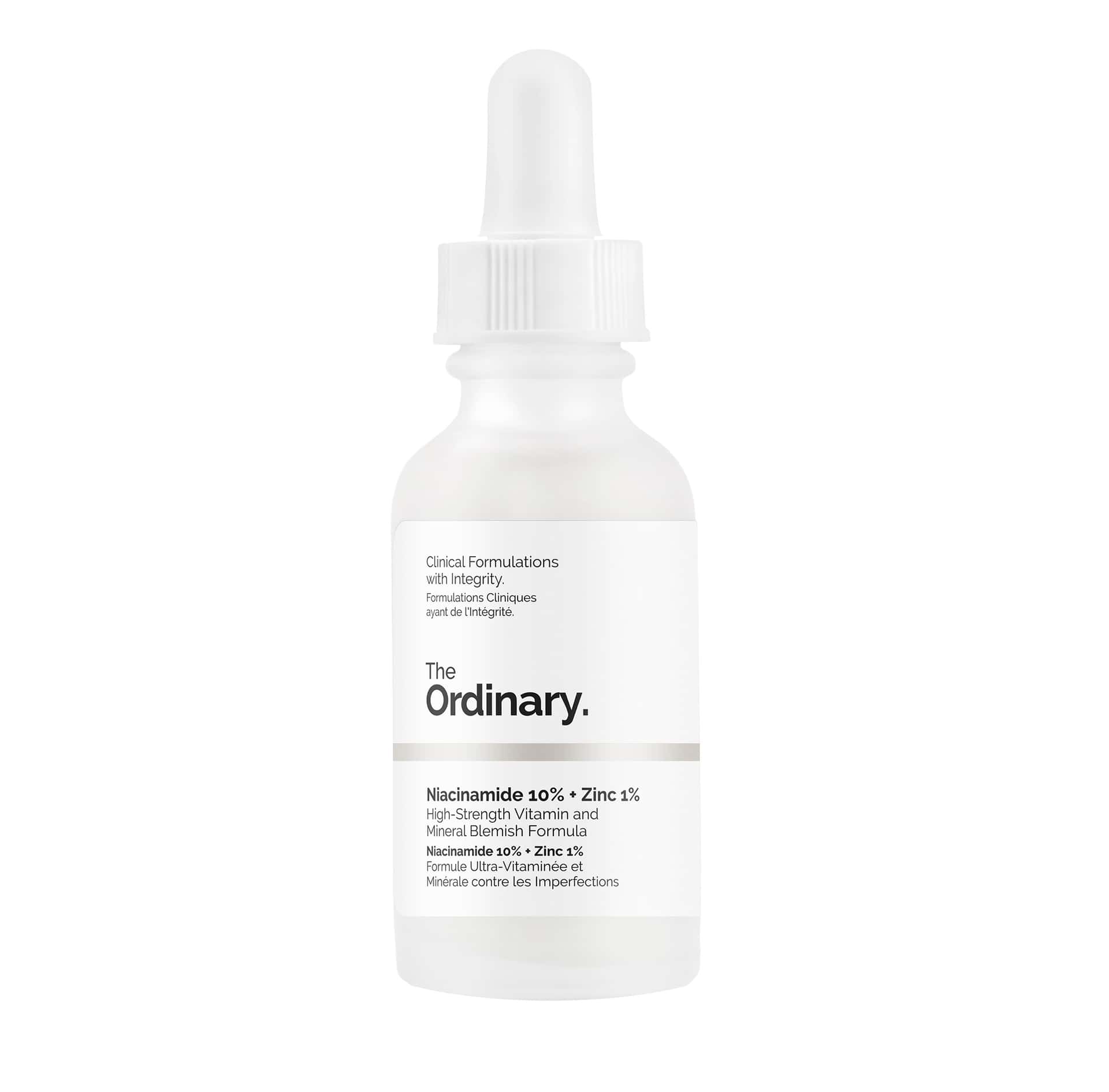
| Niacinamide | Yes. Can make retinol easier to tolerate. |
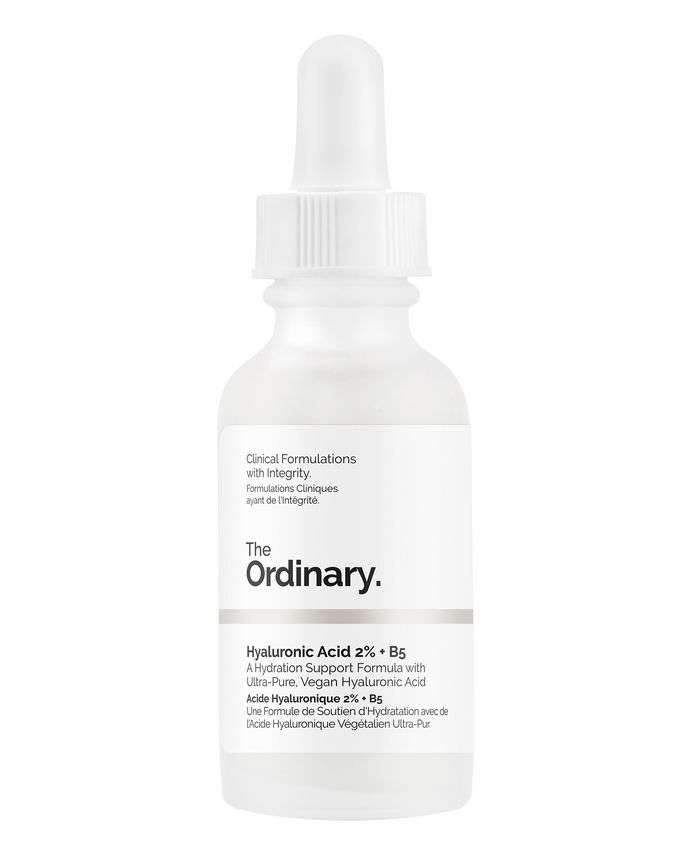
| Hyaluronic acid, ceramides | Yes |
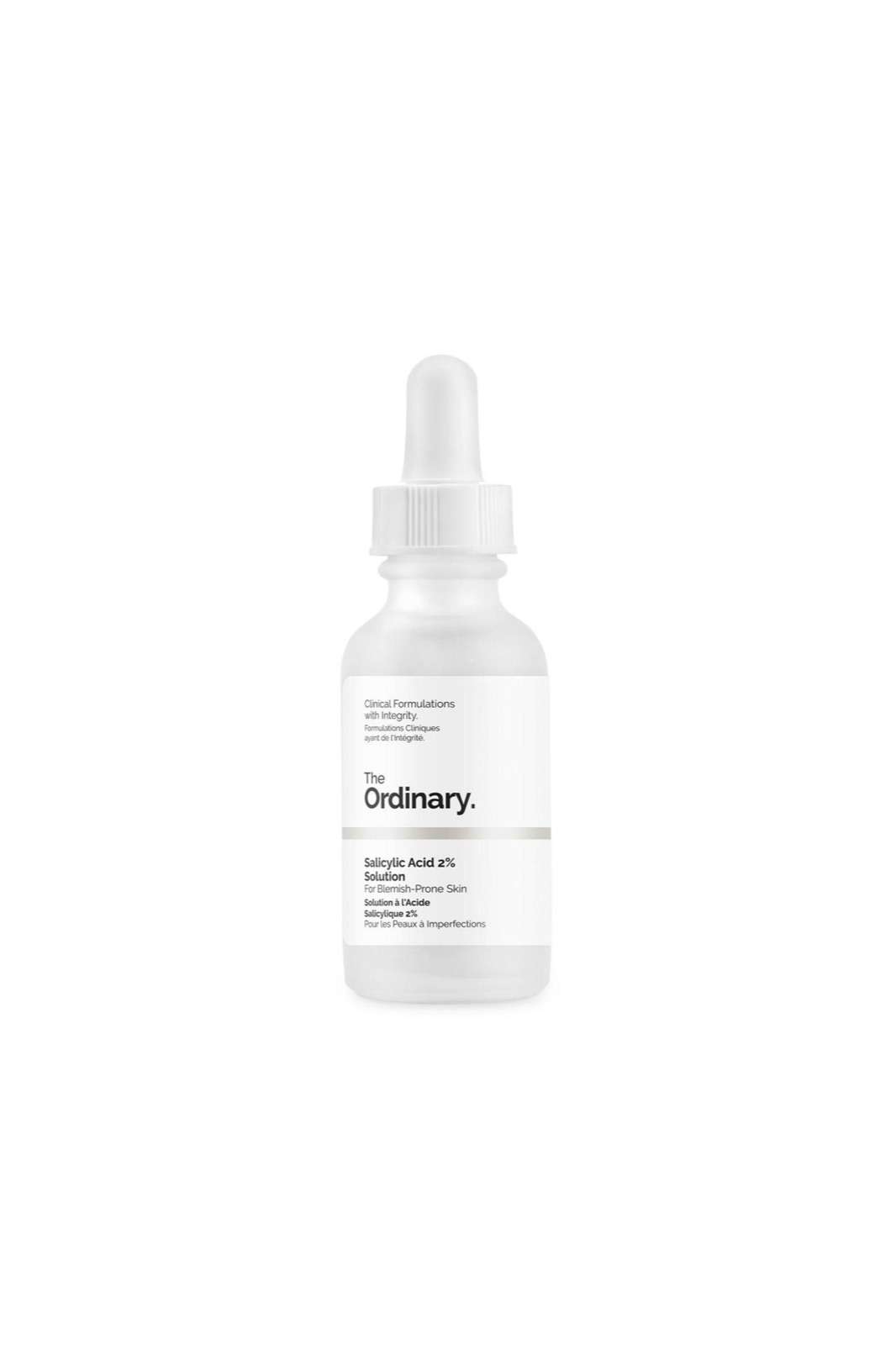
| Glycolic, lactic or salicylic acid | Different nights |
| Vitamin C | Vitamin C in the morning, retinol at night |
| Benzoyl peroxide | Benzoyl peroxide in the morning. See benzoyl peroxide and retinol. |
| Azelaic acid | Yes, or alternate. See azelaic acid and retinol. |
See ingredients you shouldn't mix.
Dealing with irritation
| Problem | What to do |
|---|---|
| Dryness and flaking | Use it less often; moisturise before and after |
| Stinging | Stop for a few nights; use moisturiser first when you restart |
| Redness and peeling around the nose and mouth | Apply a barrier balm there first |
| Breakouts in your usual spots | Often purging; usually settles in 4 to 6 weeks |
| Burning, cracking or raw skin | Stop until healed, then restart at a lower strength. See retinol burn. |
Who should skip it
- Pregnant or breastfeeding women. Avoid retinoids.
- Anyone with active eczema, a rosacea flare or a damaged barrier. Fix that first with the barrier repair guide.
- People who break out from oils. It's light, but it's still an oil base. A cream-based retinoid may suit better.
How it compares
| The Ordinary Retinol in Squalane | The Inkey List Retinol Serum | The Ordinary Granactive Retinoid 2% Emulsion | |
|---|---|---|---|
| Retinoid | Retinol | Retinol plus a gentler retinoid | Hydroxypinacolone retinoate |
| Base | Squalane oil | Lightweight serum | Cream emulsion |
| Strength options | 0.2%, 0.5%, 1% | One | One |
| Best for | Value; a clear strength ladder | A cushioned start | Sensitive skin |
See our Inkey List Retinol review and the best retinol serums.
Verdict
A cheap retinol that does what retinol does, if you start at the right strength and give it three months. Start at 0.2% or 0.5% unless you're already used to retinoids.
References
- Kafi R, Kwak HS, Schumacher WE, et al. Improvement of naturally aged skin with vitamin A (retinol). Arch Dermatol. 2007;143(5):606-12. (https://pubmed.ncbi.nlm.nih.gov/17515510/)
- Mukherjee S, Date A, Patravale V, et al. Retinoids in the treatment of skin aging: an overview of clinical efficacy and safety. Clin Interv Aging. 2006;1(4):327-48. (https://pubmed.ncbi.nlm.nih.gov/18046911/)
FAQs
Which The Ordinary retinol should I start with?
0.2% if you're new to retinoids. Move up once it's comfortable.
How long does The Ordinary retinol take to work?
Around three months for a visible difference in fine lines.
Why is my skin peeling from The Ordinary retinol?
That's common in the first few weeks. Use it less often and add moisturiser. If your skin burns or cracks, stop until it heals.
Can I use The Ordinary retinol with niacinamide?
Yes. Niacinamide can make retinol easier to tolerate.
Should I put The Ordinary retinol on before or after moisturiser?
Usually before. If you're sensitive, apply moisturiser first or on both sides.
Can I use it around my eyes?
Carefully, on the outer orbital bone, not on the eyelids or right up to the lashes.
Is The Ordinary retinol still sold in the UK at 1%?
It was on The Ordinary's UK site when we checked in November 2026. EU rules now cap retinol in new face products at 0.3%.