
If you have no skincare routine at all and the whole subject feels like an overwhelming wall of acids, serums and ten-step regimens, good news: you can ignore almost all of it. A genuinely effective starter routine is three products and takes about two minutes, morning and night. I'll give you the three steps first, then how to work out your skin type so you buy the right versions, and then, just as importantly, what not to buy yet.
The 3-step routine to start with
Every good skincare routine, no matter how elaborate it eventually becomes, is built on the same foundation:
- Cleanse - wash your face morning and evening with a gentle cleanser.
- Moisturise - apply moisturiser to damp skin after cleansing, morning and evening.
- Protect (SPF) - apply broad-spectrum SPF 30+ every morning as your final step.
That's it. That's the routine. Cleansing removes the oil, sweat and grime that clog pores and dull your complexion. Moisturising keeps your skin barrier healthy, which is what stands between you and dryness, irritation and breakouts. And sunscreen prevents the UV damage that causes most visible ageing, pigmentation and, more seriously, skin cancer.
You may have seen older advice (including, honestly, an earlier version of this article) listing exfoliation as a core beginner step. It isn't. Exfoliation is useful, but it's an optional addition once the basics are habit, and starting it too early or doing it too often is one of the most common ways beginners wreck their skin. More on that below.
First, work out your skin type
Before buying anything, spend one day figuring out your skin type, because it decides which cleanser and moisturiser will suit you.
The simplest method: wash your face with a gentle cleanser, pat dry, apply nothing, and check your skin an hour later.
- Oily: your whole face looks shiny, especially forehead, nose and chin, and feels slightly greasy to the touch.
- Dry: your skin feels tight, maybe itchy, and might show flaky patches. No shine anywhere.
- Combination: shiny through the T-zone (forehead and nose) but normal or tight on the cheeks. This is very common.
- Normal: comfortable, no tightness, no obvious shine. Lucky you.
If your skin also stings or goes red easily with new products, treat "sensitive" as a modifier on top of your type and favour fragrance-free formulas. And bear in mind your skin type can change with seasons, age and hormones, so it's worth rechecking occasionally.
Step 1: Cleanse
Wash your face twice a day: in the morning to remove overnight oil and sweat, and in the evening to remove the day's grime, sunscreen and pollution. Use lukewarm water; hot water feels great but strips your skin's natural oils.
The single most important rule: your cleanser should not leave your skin feeling tight or "squeaky clean". That squeak means your natural oils have been stripped, and stripped skin gets dry, irritated and often oilier as it overcompensates.
- Normal or dry skin: a cream or lotion cleanser. Cetaphil Gentle Skin Cleanser is the classic recommendation for a reason: cheap, effective and nearly impossible to react to.
- Oily or combination skin: a gentle gel or light foaming cleanser that cuts through oil without stripping. Avoid anything marketed as harshly "deep cleaning" or containing gritty scrub particles.
Step 2: Moisturise
Everyone needs moisturiser, including oily skin. Dehydrated skin triggers the oil glands to produce more sebum, so skipping moisturiser frequently makes oily skin worse. Apply it morning and evening, ideally while your skin is still slightly damp from cleansing, which helps seal that water in.
- Normal skin: a light lotion. Almost anything from a reputable brand works.
- Oily or combination skin: a gel or oil-free lotion labelled non-comedogenic, meaning it won't clog pores.
- Dry skin: a richer cream, ideally with ceramides. Our dry skin moisturiser guide has specific picks if you need them.
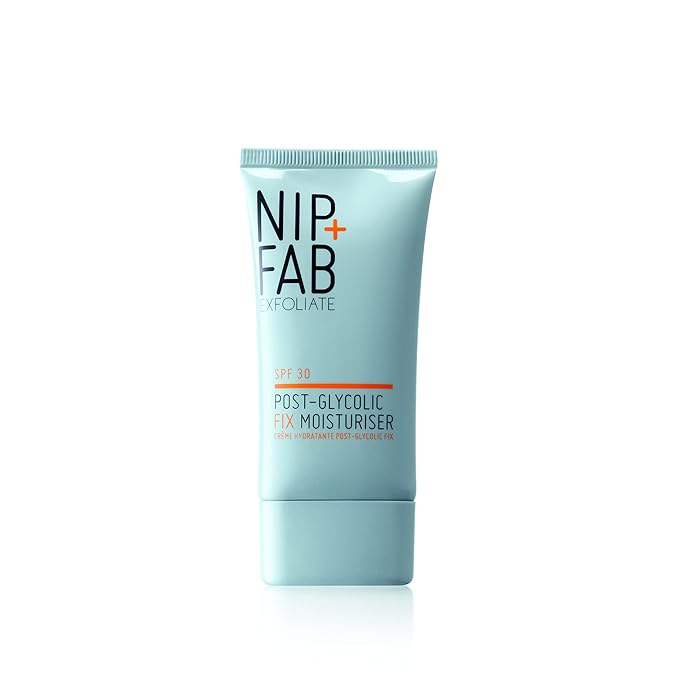
A morning moisturiser with SPF 30+ built in (like the one pictured) can combine steps 2 and 3 into one product, which is a perfectly good way to keep the routine to two products while you're starting out. Just apply it generously; the biggest problem with SPF moisturisers is people using too little.
Step 3: Sunscreen
If you only take one thing from this article, take this: daily SPF is the most effective skincare product that exists. Ultraviolet light is responsible for the majority of visible skin ageing, from wrinkles to dark spots, and drives skin cancer risk. Every expensive anti-ageing serum on the market is trying to partially undo damage that sunscreen would have prevented for a few pounds. Here's the full case for SPF if you need convincing.
Use broad-spectrum SPF 30 or higher every morning, all year round, even in a British winter, because UVA passes through cloud and window glass. Texture matters enormously for whether you'll actually stick with it: if you're oily, get a lightweight SPF made for oily skin rather than forcing yourself to wear something greasy.
What NOT to buy as a beginner
The skincare aisle is designed to sell you ten products; you need three. Skip these for now:
- Exfoliating scrubs and acid toners. Not yet. See the next section.
- Retinol and vitamin C serums. Genuinely great ingredients, but they're irritating for unconditioned skin and pointless before the basics are consistent.
- Multi-step "kits" and 10-step routines. More products means more cost, more potential irritants, and no way to tell what's actually helping. Someone else's elaborate routine is built for their skin, not yours.
- Pore strips, harsh "deep clean" masks and anything that tingles aggressively. Tingling is usually irritation, not effectiveness. Pore strips in particular do more harm than good.
- Anything heavily fragranced if you have any hint of sensitivity.
One more habit worth building from day one: patch test new products on a small area for a few days before putting them all over your face. It's the cheapest insurance in skincare.
When and how to add more
Run the three-step routine for at least two to four weeks before adding anything. Consistency with the basics will visibly improve most skin on its own, and you need a stable baseline to judge new products against.
Exfoliation is the sensible first addition, from week two onwards if your skin is comfortable. Skip the gritty scrubs and go straight to a gentle chemical exfoliant: a BHA like salicylic acid if you're oily or breakout-prone, or a mild AHA like lactic acid if you're dry or dull. (Our AHA vs BHA guide explains the difference.) Start once a week, build to two or three times at most, and back off if you see redness or stinging. Over-exfoliation is the most common self-inflicted skin problem I see, and the warning signs are worth knowing before you start.
After that, add targeted serums one at a time, with a couple of weeks between each so you can tell what's working: niacinamide for oiliness and uneven tone, hyaluronic acid for extra hydration, and eventually retinol at night if ageing is a concern. When you're ready to expand properly, our guide to building the perfect skincare routine covers the full structure and ordering.
The honest truth is that most people never need to go far beyond the basics. Three products, done every day, beats ten products done sporadically, every single time. Ignore whatever is trending this week until those three steps are a habit.
Frequently Asked Questions
What is the best skincare routine for beginners?
Cleanse with a gentle cleanser morning and night, moisturise after each cleanse, and apply broad-spectrum SPF 30+ every morning. Do that consistently for a month before adding anything else.
Should beginners exfoliate?
Not straight away. Run the basic three-step routine for a couple of weeks first, then add a gentle chemical exfoliant once a week if your skin is comfortable, building to two or three times a week at most.
How long until I see results from a skincare routine?
Hydration and general comfort improve within days, but real changes take a full skin cycle of around four to six weeks. Judge any routine at the six-week mark, not the one-week mark.
Do I need expensive skincare products?
No. A gentle cleanser, a basic moisturiser and a decent sunscreen can all be had for a few pounds each from brands like Cetaphil, CeraVe and Simple. Price correlates with packaging and fragrance far more than with results.
Do I really need sunscreen every day in the UK?
Yes. UVA rays, the ones chiefly responsible for skin ageing, penetrate cloud cover and window glass all year round. Daily SPF is the single most effective anti-ageing step you can take.